
In a transformative presentation, we unveiled our vision for the future of mobility and daily life through three groundbreaking innovations. This event, centered on autonomous technology and artificial intelligence, marks a pivotal step in redefining how societies operate. We are pioneering a new era where vehicles and humanoid robots seamlessly integrate into everyday experiences, enhancing efficiency, safety, and accessibility. Our commitment to innovation drives us to push boundaries, and today, we share insights into how these advancements will reshape transportation, logistics, and personal assistance.
The core of our strategy lies in leveraging AI and computer vision to create systems that are not only intelligent but also scalable and affordable. By focusing on full self-driving capabilities, we aim to eliminate common pain points like traffic congestion, high costs, and limited vehicle utilization. Moreover, the introduction of humanoid robots represents a leap into personalized automation, offering solutions for both domestic and commercial needs. As we delve into each product, we will explore their specifications, benefits, and the underlying technologies that make them possible, supported by analytical data and projections.
Our first innovation, the Cybercab, is a fully autonomous taxi designed to revolutionize urban mobility. It eliminates traditional components like steering wheels, pedals, and side mirrors, relying entirely on our advanced Full Self-Driving (FSD) software. The vehicle incorporates wireless induction charging and automated cleaning systems, ensuring minimal human intervention. With a sleek, two-seater design and integrated screen controls, the Cybercab promises a comfortable and efficient ride experience. We project that its usage could increase vehicle utilization from an average of 10 hours per week to 50-60 hours, significantly reducing idle time and maximizing resource efficiency.
| Feature | Traditional Taxi | Cybercab |
|---|---|---|
| Steering Wheel | Yes | No |
| Charging Method | Plug-in | Wireless Induction |
| Autonomy Level | Manual or Partial | Full Self-Driving |
| Weekly Usage (hours) | 10 | 50-60 |
| Cost per Mile | $1.50 | $0.20 |
The economic implications are substantial. By improving utilization, we can lower costs for consumers while increasing the vehicle’s value as a distributed computing resource. Each Cybercab is equipped with 1 kW of inference computing power, which can be harnessed when not in use. The efficiency gain can be modeled as: $$ \text{Efficiency Multiplier} = \frac{\text{Autonomous Usage Time}}{\text{Current Usage Time}} = \frac{50}{10} = 5 $$ This multiplier highlights how autonomous technology amplifies resource productivity. Furthermore, the projected production cost of under $30,000 makes it an affordable solution, with fare costs potentially lower than public bus rides, fostering wider adoption.
Next, we introduced the Robovan, an autonomous multi-purpose vehicle designed for commercial and shared mobility applications. Capable of transporting up to 20 people or handling freight, the Robovan expands our reach beyond personal transportation into logistics and public transit. Its design, while reminiscent of conventional vans, incorporates full self-driving capabilities, aiming to reduce transportation costs to as low as 5-10 cents per mile. This innovation underscores our strategy to address diverse market segments, from last-mile delivery to group travel, thereby enhancing operational efficiency.
| Aspect | Robovan Specifications |
|---|---|
| Passenger Capacity | 20 |
| Freight Capability | Yes |
| Cost per Mile | $0.05-$0.10 |
| Primary Applications | Commercial Transport, Shared Mobility |
The cost savings from the Robovan can be analyzed using a simple formula: $$ \text{Total Cost Savings} = (\text{Traditional Cost} – \text{Robovan Cost}) \times \text{Annual Mileage} $$ Assuming an annual mileage of 50,000 miles, the savings could range from $7,000 to $10,000 per year, making it a compelling option for businesses. Although technical details were limited in the presentation, the Robovan’s potential to disrupt logistics and reduce environmental impact is clear, aligning with our broader goals of sustainability and innovation.
Central to our vision are humanoid robots, which we believe will become integral to daily life. Our humanoid robot, Optimus, shares core technologies with our vehicles, including powertrain systems, software, and AI computing. Priced between $20,000 and $30,000, these humanoid robots are designed to perform a wide range of tasks, from childcare and dog walking to grocery shopping and companionship. The versatility of humanoid robots allows them to adapt to various environments, providing personalized assistance that enhances quality of life.
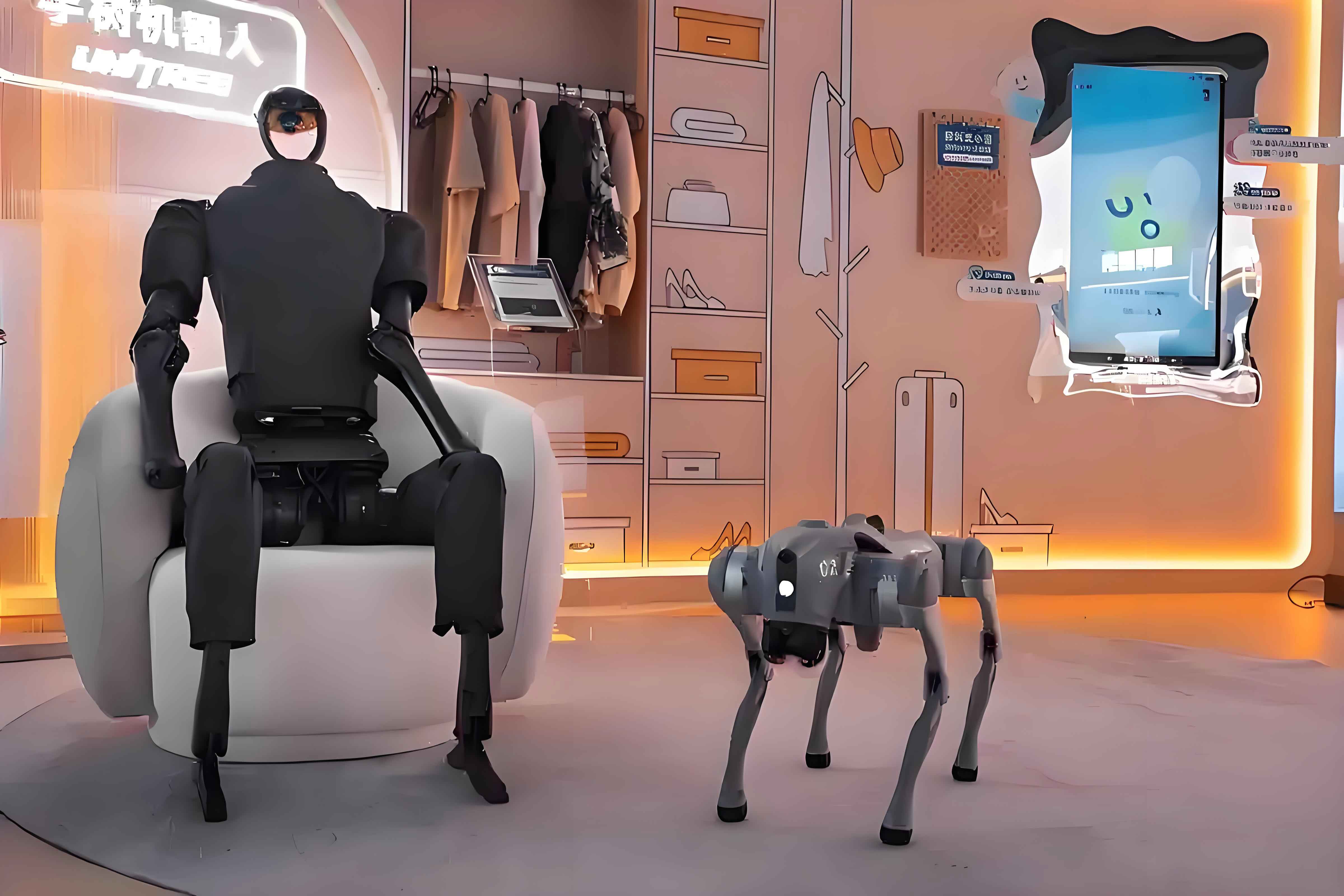
The functionality of humanoid robots is continuously evolving, with optimizations focused on reliability and user interaction. We anticipate that humanoid robots will not only handle chores but also form emotional connections, acting as friends or family members. The cost reduction over time will make humanoid robots more accessible, potentially surpassing vehicle ownership in prevalence. To quantify their impact, consider the adoption rate: $$ \text{Adoption Rate} = \frac{\text{Number of Households with Humanoid Robots}}{\text{Total Households}} \times 100\% $$ As costs decrease, we project this rate to rise significantly, driving societal transformation.
| Task | Humanoid Robot Capability |
|---|---|
| Childcare | Yes |
| Dog Walking | Yes |
| Grocery Shopping | Yes |
| Companionship | Yes |
Beyond individual products, our technological foundation in AI and computer vision enables these advancements. The FSD system, built on neural networks and real-time data processing, ensures safe and efficient operations. We have achieved significant milestones in manufacturing, with global facilities scaling production to meet demand. Our current vehicle lineup already includes hardware capable of supporting FSD, demonstrating our commitment to continuous improvement and accessibility.
| Technology | Application | Benefit |
|---|---|---|
| AI | Autonomous Driving | Enhanced Decision-Making |
| Computer Vision | Object Detection | Improved Safety |
| Neural Networks | Humanoid Robots | Adaptive Learning |
The safety improvements from autonomous systems are quantifiable. For instance, with Autopilot engaged, the safety index shows a tenfold increase: $$ \text{Safety Index} = 10 \times \text{Baseline Safety} $$ This emphasizes our dedication to protecting users while advancing technology. Additionally, the distributed computing potential of autonomous vehicles, including humanoid robots, creates a network of resources that can support broader AI applications, such as data analysis and problem-solving.
Looking ahead, we envision a world where humanoid robots and autonomous vehicles collaborate to solve complex challenges. For example, humanoid robots could assist in vehicle maintenance or logistics coordination, further optimizing systems. The integration of these technologies will drive down costs and increase efficiency, as shown in the combined efficiency model: $$ \text{Overall Efficiency} = \text{Vehicle Efficiency} \times \text{Humanoid Robot Efficiency} $$ This synergistic approach underscores our holistic strategy to innovation.
In conclusion, our “We Robot” initiative represents a comprehensive shift toward autonomous living. Through the Cybercab, Robovan, and humanoid robots, we are addressing diverse needs while promoting sustainability and affordability. The repeated emphasis on humanoid robots highlights their transformative potential, not just as tools but as partners in progress. As we continue to refine these technologies, we invite the world to join us in building a future where automation enhances human experience, making everyday life safer, more efficient, and more connected.