
In a significant development for the robotics industry, Shenzhen-based embodied intelligence companies are securing substantial orders for humanoid robots, signaling a shift from technological demonstrations to practical, tool-based applications. This trend underscores the growing industrial demand for humanoid robots, with recent contracts highlighting their integration into sectors such as automotive components, semiconductor panels, and now, new energy precision manufacturing. The surge in orders is widely regarded as a clear indicator that the humanoid robots sector is moving beyond a capital-driven hype phase into a period of industrial realization, where delivery capabilities and real-world applications are put to the test.
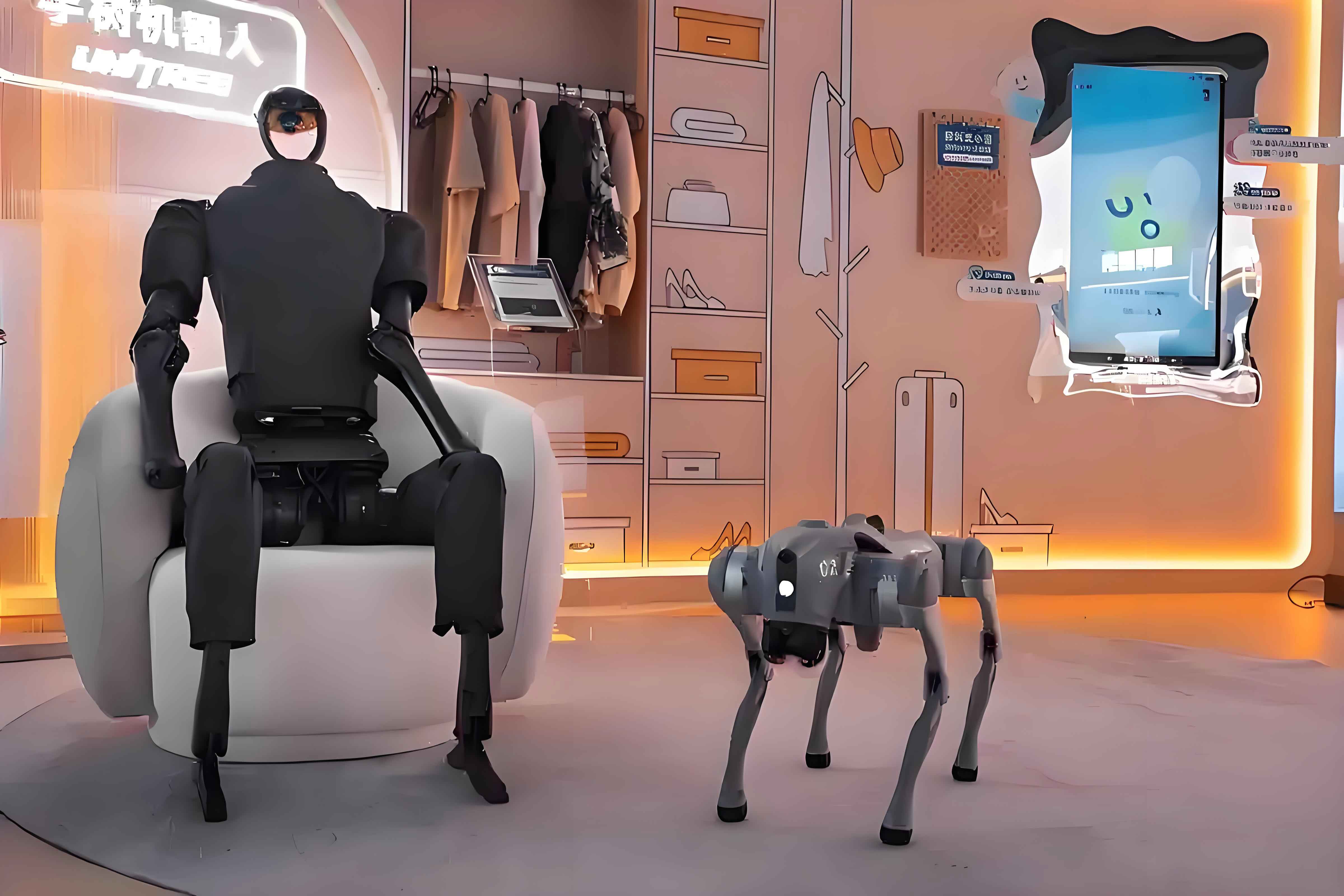
The recent flurry of high-value contracts began with notable announcements from companies like Yuejiang Robotics, which on October 29 disclosed a procurement agreement with Ruidefeng Precision Technology Co., Ltd. This deal, valued at over 80.5 million RMB, includes humanoid robots and embodied intelligent collaborative robots, marking the expansion of humanoid robots into the new energy precision manufacturing sector. This follows a pattern of consecutive large orders that have been reported over the past months, involving other Shenzhen firms such as Ubtech, Zhipingfang, and Xingchen Intelligent. These developments reflect a broader transformation in the customer base for humanoid robots, shifting from research institutions and exhibition projects to manufacturing enterprises with mass production lines.
Industry experts普遍 believe that the current release of orders represents a critical milestone for humanoid robots, following the initial wave of capital investment. As downstream manufacturing accelerates its digital and intelligent transformation, humanoid robots are evolving from being mere showcases of technical prowess to becoming widely adopted tools. Shenzhen, with its dense concentration of embodied intelligence enterprises, is playing a pivotal role in this transition, often being the first in China to achieve mass production and application of humanoid robots. The city is emerging as a hub for the commercialization of humanoid robots, with 2025 poised to be a landmark year for deliveries and the true test of industrial capabilities.
1. Overview of Recent Major Orders for Humanoid Robots
The past two months have witnessed a series of high-profile orders for humanoid robots, with Shenzhen companies at the forefront. These contracts span various industries, including consumer electronics, automotive parts, and new energy manufacturing, demonstrating the versatility and growing adoption of humanoid robots. The following list summarizes key orders that highlight this trend:
- Yuejiang Robotics: On October 29, the company signed a procurement contract with Ruidefeng Precision Technology Co., Ltd., totaling over 80.5 million RMB. This order includes humanoid robots and embodied intelligent collaborative robots, aimed at enhancing operations in new energy precision manufacturing. This addition to the application scenarios for humanoid robots underscores their expanding role beyond traditional sectors.
- Ubtech: On October 15-16, Ubtech secured two significant orders. The first was a procurement contract with a well-known A-share listed automotive technology company, exceeding 32 million RMB for humanoid robots. The second involved winning the bid for the “Guangxi Embodied Intelligent Data Collection and Testing Center Equipment Procurement and Installation” project. Both orders require delivery within 2025. Notably, for the full year, Ubtech’s Walker series of humanoid robots have accumulated orders surpassing 630 million RMB, excluding the full-sized humanoid robot Tian Gong Walker, indicating robust demand for humanoid robots in various configurations.
- Zhipingfang: On September 11, Zhipingfang entered into a strategic cooperation with Shenzhen Huizhi Wulian, a wholly-owned subsidiary of Huike Co., Ltd. This agreement plans for the deployment of over 1,000 embodied intelligent robots across Huike’s global production bases over the next three years. According to insiders, the order value is close to 500 million RMB, translating to approximately 500,000 RMB per unit for these humanoid robots. This order is recognized as the largest publicly disclosed contract in the industry to date, with clear delivery schedules, specific scenarios, and identifiable clients, making it a benchmark case even in analyses by institutions like Morgan Stanley.
- Xingchen Intelligent: On September 2, Xingchen Intelligent announced a strategic cooperation with Xian Gong Intelligent for a thousand-level order of humanoid robots, further emphasizing the scale at which humanoid robots are being integrated into industrial operations.
These orders collectively represent a significant uptick in the commercialization of humanoid robots, with amounts repeatedly breaking records. For instance, Ubtech’s July bid with Mi Yi Automotive for a 90.5115 million RMB robot equipment procurement set a global record for the highest single-bid amount for humanoid robots, followed by other large sums such as 126 million RMB and 260 million RMB, with new entrants like Zhipingfang and Tiantai Robotics joining the list. The rapid succession of these contracts highlights the accelerating demand for humanoid robots in practical settings.
2. Delivery Challenges and Capabilities for Humanoid Robots
While the influx of orders is a positive sign for the industry, it also brings to light the substantial challenges in delivering humanoid robots at scale. The phrase “tight schedules and urgent tasks” has become a common refrain among Shenzhen’s embodied intelligence companies, reflecting the pressure to meet delivery deadlines. A key issue is the lack of a unified standard system for humanoid robots; most companies have established their own production lines, but the industry remains largely driven by engineering efforts, making it difficult to achieve the streamlined, assembly-line production seen in sectors like smartphones or automobiles.
Currently, achieving a monthly delivery rate of over 100 units is considered leading in the industry, as one Shenzhen-based embodied intelligence robot company representative noted. The complexity of the delivery process for humanoid robots far exceeds that of traditional manufacturing, involving customized integration, testing, and deployment. Public information indicates that delivery volumes for individual companies mostly range from hundreds to 2,000 units of humanoid robots. For example, Zhiyuan Robotics, a partner and head of the embodied business department, Yao Maoqing, revealed that as of the end of July, the company had produced over 2,000 humanoid robots offline, with expectations to deliver thousands of units within the year and tens of thousands next year. From announcing the rollout of the 1,000th embodied robot in January to accumulating 2,000 units by July, it took six months, averaging about 167 units per month for humanoid robots.
This delivery capacity is critical as the industry faces a wave of orders that test the scalability of production for humanoid robots. The behind-the-scenes efforts involve not just manufacturing but also software integration, maintenance, and training for end-users, all of which add layers of complexity. Industry insiders view this order surge as a concentrated release of demand from manufacturing intelligent upgrades, coupled with a reassessment by capital markets of the industrial兑现 capabilities of humanoid robots. As more orders enter the delivery cycle and additional scenarios are validated, 2025 is anticipated to become the “delivery元年” for embodied intelligence, serving as a pivotal year to evaluate the true industrial potential of humanoid robots.
3. Industrial Background and Trends for Humanoid Robots
The rise in orders for humanoid robots is not an isolated phenomenon but part of a broader trend driven by the global push for automation and intelligent transformation in manufacturing. Shenzhen, as a hub for innovation, has seen its embodied intelligence companies lead this charge, with humanoid robots at the core of this evolution. The shift from “technology炫技” to “tool化普及” signifies that humanoid robots are no longer just for show but are becoming indispensable tools in factories, warehouses, and other industrial settings.
This transition is supported by several factors: the decreasing costs of robotics components, advancements in artificial intelligence enabling better autonomy for humanoid robots, and the urgent need for manufacturers to improve efficiency and reduce labor dependencies. In sectors like automotive, electronics, and now new energy, humanoid robots are being deployed for tasks such as assembly, inspection, and logistics, demonstrating their versatility. The following table summarizes key aspects of the current state of humanoid robots in Shenzhen, based on recent data:
| Aspect | Details |
|---|---|
| Primary Applications | Automotive components, semiconductor panels, new energy precision manufacturing, consumer electronics |
| Leading Companies | Yuejiang Robotics, Ubtech, Zhipingfang, Xingchen Intelligent, Zhiyuan Robotics |
| Order Values (Recent Examples) | Over 80.5 million RMB (Yuejiang), Over 630 million RMB annual (Ubtech), Nearly 500 million RMB (Zhipingfang) |
| Delivery Challenges | Lack of standardized production, engineer-driven processes, monthly delivery rates of 100+ units considered leading |
| Projected Growth | 2025 as delivery元年, with potential for thousands to tens of thousands of units delivered annually |
Moreover, the concentration of embodied intelligence firms in Shenzhen has fostered a collaborative ecosystem, where companies share insights and resources to overcome common hurdles. This environment is crucial for the continued development and deployment of humanoid robots, as it accelerates innovation and reduces time-to-market. As the industry matures, we can expect to see more standardized platforms for humanoid robots, which could further drive down costs and increase adoption rates. The ongoing orders and deliveries for humanoid robots are not just about meeting immediate demand but also about building a foundation for long-term growth, where humanoid robots become a staple in smart factories and beyond.
4. Future Outlook for Humanoid Robots
Looking ahead, the trajectory for humanoid robots appears promising, with Shenzhen set to maintain its leadership in mass production and application. The year 2025 is widely anticipated to be a turning point, as companies strive to fulfill existing orders and explore new scenarios for humanoid robots. This period will likely see increased investment in production facilities, research and development, and workforce training to support the scaling of humanoid robots.
Key areas to watch include the development of more affordable and efficient humanoid robots, which could open up opportunities in smaller enterprises and emerging markets. Additionally, as artificial intelligence and machine learning technologies advance, humanoid robots are expected to become more autonomous and capable of handling complex tasks without human intervention. This could lead to broader applications in healthcare, hospitality, and even household settings, though the current focus remains on industrial uses for humanoid robots.
However, challenges persist, such as the need for regulatory frameworks, ethical considerations, and public acceptance of humanoid robots. Companies will need to address these issues through transparent practices and demonstrations of the benefits that humanoid robots bring, such as improved safety and productivity. In Shenzhen, the collaborative spirit among firms, combined with government support for high-tech industries, positions the city as a bellwether for the global adoption of humanoid robots. As the industry moves forward, the success of humanoid robots will hinge on their ability to deliver tangible value, making the coming years a critical test of their industrial viability and long-term impact.
In conclusion, the recent wave of major orders for humanoid robots in Shenzhen marks a significant milestone in the evolution of embodied intelligence. From Yuejiang Robotics’ multi-million RMB contract to Ubtech’s annual order surge, these developments highlight a shift towards practical, scalable applications for humanoid robots. Despite delivery challenges, the industry is poised for growth, with 2025 expected to be a defining year. As humanoid robots transition from niche demonstrations to essential tools, Shenzhen’s role as a pioneer in mass production and innovation will be crucial in shaping the future of this transformative technology. The continued emphasis on humanoid robots across sectors underscores their potential to revolutionize manufacturing and beyond, setting the stage for a new era of intelligent automation.