
The commercialization of humanoid robots is rapidly gaining momentum, transitioning from conceptual stages to practical applications, as evidenced by recent developments from global giants and emerging companies. This shift is underscored by increased institutional interest and substantial market forecasts, signaling a transformative period for the humanoid robot industry. The humanoid robot sector is experiencing unprecedented growth, driven by technological innovations and strategic investments, positioning it as a key player in the future of automation and artificial intelligence.
On September 7, Tesla introduced an official microblog account under the name “TeslaAI,” which published visual content highlighting the design of its humanoid robot. The post displayed the humanoid robot with a sleek, streamlined body combining light gold and black hues, featuring the iconic Tesla logo in a prominent position. Accompanying the image was the caption, “I have been working hard to improve my figure,” suggesting continuous refinements to the humanoid robot’s aesthetics and functionality. This move by Tesla emphasizes the growing focus on humanoid robot development as a core component of advanced AI and robotics integration.
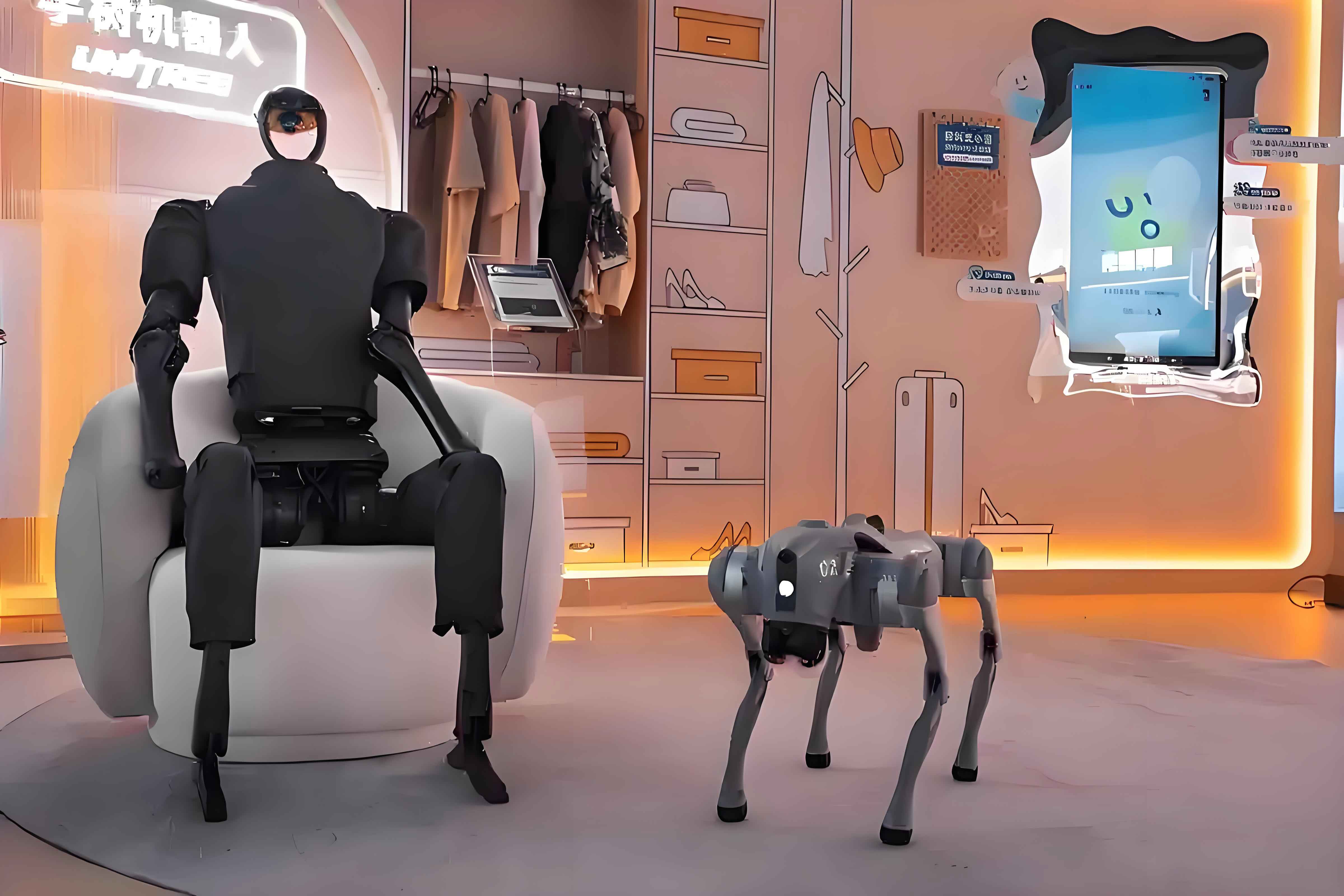
In parallel, Chinese companies are making significant strides in the humanoid robot domain. Yushu Technology has announced plans to submit listing application documents to stock exchanges between October and December 2025, marking a pivotal step for this robotics unicorn toward public markets. Additionally, Ubtech, a Shenzhen-based humanoid robot firm, recently secured a major order valued at 250 million yuan, recognized as the largest single contract for humanoid robots worldwide. Earlier developments include Zhiyuan Robot and Yushu Technology winning bids for the “Humanoid Biped Robot OEM Service Procurement Project” under a China Mobile subsidiary, with a total contract amount of 124 million yuan. These achievements highlight the accelerating commercialization and competitive landscape of the humanoid robot industry in China.
Market projections further reinforce the optimistic outlook for humanoid robots. According to the National Local Co-construction Humanoid Robot Innovation Center, sales of humanoid robots in China are anticipated to surpass 10,000 units this year, representing a 125% year-on-year increase. The “2025 Humanoid Robot and Embodied Intelligence Industry Research Report” estimates that China’s humanoid robot market size will reach approximately 8.239 billion yuan in 2025, accounting for about 50% of the global market. Morgan Stanley has released a report forecasting that the humanoid robot market could exceed 5 trillion US dollars by 2050, with a compound annual growth rate of over 50%. These predictions underscore the vast potential and expanding influence of humanoid robots in the global economy.
Institutional research activity reflects the heightened interest in humanoid robot concepts. Data from Securities Times Data Bao indicates that as of now, 60 humanoid robot-related stocks have been surveyed by institutions five or more times this year. Among these, companies with the highest survey frequencies include Anpeilong, Inovance Technology, GAC Group, Supcon Technology, and Zhaomin Technology. Anpeilong leads with 102 surveys conducted this year, and in recent interactions with institutions, the company emphasized its commitment to advancing core technologies in sensitive ceramics, MEMS, and sensor IC chip design. This focus aims to enhance market share and competitiveness, with the company projecting a compound annual revenue growth rate of at least 20% over the next three years, based on operational targets and equity incentive plans.
The research and development intensity within the humanoid robot sector is notably high. Among the 60 frequently surveyed concept stocks, the average ratio of R&D expenses to revenue in the first half of the year was 8.59%, with all companies exceeding 1%. Leading in R&D intensity is Suochen Technology, with a ratio of 88.27%, followed by Yunshan LiFei-U, Orbital Photonics-UW, Effort-U, and Lingyun Guang. Suochen Technology’s ongoing projects include generative robot design, simulation and verification systems, legged robot development, and industrial parallel robot development, demonstrating a strong emphasis on innovation in the humanoid robot field.
Looking ahead, growth potential for humanoid robot concepts remains robust. Among the 60 stocks, consensus forecasts from five or more institutions indicate that 23 are expected to achieve net profit growth rates exceeding 20% both this year and the next. Based on closing prices as of September 8 and institutional target prices, seven stocks show an upside potential of over 10%, including Softcom Power, Leisai Intelligent, Zoomlion Heavy Industry, Tuobang Shares, Xiangxin Technology, Weichuang Electric, and Orbital Photonics-UW. This optimism is fueled by the expanding applications and adoption of humanoid robots across various industries.
The humanoid robot industry is witnessing a surge in collaborative efforts and partnerships. Companies are leveraging advancements in AI, sensors, and mobility to enhance the capabilities of humanoid robots, making them more adaptable to real-world environments. For instance, the integration of humanoid robots in logistics, healthcare, and manufacturing sectors is becoming more prevalent, driven by their ability to perform complex tasks with human-like dexterity. This trend is expected to accelerate as technology matures and costs decrease, further propelling the commercialization of humanoid robots.
Investment in humanoid robot startups and established firms is also on the rise. Venture capital and corporate investments are flowing into companies focused on humanoid robot development, enabling faster prototyping and scaling. The humanoid robot ecosystem includes not only hardware manufacturers but also software developers working on AI algorithms, control systems, and user interfaces. This holistic approach is crucial for creating versatile humanoid robots that can operate autonomously in diverse settings, from homes to industrial plants.
Regulatory and standardization initiatives are emerging to support the safe deployment of humanoid robots. Governments and international bodies are developing guidelines for human-robot interaction, data privacy, and ethical considerations. These efforts aim to build public trust and ensure that the growth of the humanoid robot market aligns with societal values. As humanoid robots become more integrated into daily life, such frameworks will play a vital role in mitigating risks and maximizing benefits.
Educational and research institutions are contributing to the humanoid robot revolution through academic programs and collaborations. Universities are offering courses in robotics and AI, fostering the next generation of engineers and scientists dedicated to advancing humanoid robot technologies. Joint research projects between academia and industry are yielding breakthroughs in areas like machine learning, computer vision, and mechanical design, which are essential for improving the performance and reliability of humanoid robots.
The global competition in the humanoid robot space is intensifying, with countries like the United States, China, Japan, and South Korea leading the charge. National strategies often include funding for humanoid robot research and incentives for commercialization, highlighting the strategic importance of this technology. The humanoid robot market is not only about economic gains but also about geopolitical influence, as nations seek to dominate in AI and robotics capabilities.
Consumer acceptance of humanoid robots is gradually increasing, thanks to demonstrations of their utility in everyday scenarios. From assisting with household chores to providing companionship, humanoid robots are becoming more relatable and functional. Marketing campaigns and public exhibitions are helping to demystify humanoid robots and showcase their potential, which could drive broader adoption and fuel further innovation in the humanoid robot sector.
Supply chain developments are critical for the scalability of humanoid robots. Companies are investing in robust supply chains for components like sensors, actuators, and batteries, which are essential for humanoid robot production. Partnerships with electronics manufacturers and material suppliers are ensuring a steady flow of high-quality parts, reducing bottlenecks and enabling mass production of humanoid robots at competitive prices.
Environmental sustainability is another aspect gaining attention in the humanoid robot industry. Efforts are underway to design energy-efficient humanoid robots and use recyclable materials, aligning with global sustainability goals. The long-term vision includes humanoid robots that can contribute to environmental monitoring and conservation, further expanding their societal value beyond commercial applications.
In summary, the humanoid robot industry is at a tipping point, with commercialization efforts accelerating across the globe. The combination of technological advancements, institutional research, and favorable market forecasts paints a bright future for humanoid robots. As companies continue to innovate and collaborate, the humanoid robot market is set to redefine automation and human-machine interaction, ushering in an era of unprecedented growth and opportunity.
| Company Name | Notable Details |
|---|---|
| Anpeilong | 102 surveys this year; focuses on sensitive ceramics, MEMS, and sensor IC chip design; targets over 20% revenue growth. |
| Inovance Technology | High survey frequency; involved in automation and robotics components. |
| GAC Group | Active in automotive and robotics integration; frequently researched by institutions. |
| Supcon Technology | Engaged in industrial automation and control systems; part of humanoid robot supply chain. |
| Zhaomin Technology | High survey count; contributes to precision components for robotics. |
| Company Name | R&D Expenses as Percentage of Revenue |
|---|---|
| Suochen Technology | 88.27% |
| Yunshan LiFei-U | High R&D focus; details from reports. |
| Orbital Photonics-UW | Significant R&D investment in vision systems for humanoid robots. |
| Effort-U | Emphasizes innovation in robotic arms and humanoid robot applications. |
| Lingyun Guang | Active in optical and imaging technologies for humanoid robots. |
| Company Name | Expected Net Profit Growth (This Year and Next) | Upside Potential Based on Target Price |
|---|---|---|
| Softcom Power | Over 20% | Over 10% |
| Leisai Intelligent | Over 20% | Over 10% |
| Zoomlion Heavy Industry | Over 20% | Over 10% |
| Tuobang Shares | Over 20% | Over 10% |
| Xiangxin Technology | Over 20% | Over 10% |
| Weichuang Electric | Over 20% | Over 10% |
| Orbital Photonics-UW | Over 20% | Over 10% |
The humanoid robot landscape is evolving rapidly, with these developments highlighting a collective push toward practical deployment. As humanoid robots become more advanced and accessible, they are expected to play a crucial role in addressing labor shortages, enhancing productivity, and improving quality of life. The ongoing institutional research and market dynamics suggest that the humanoid robot revolution is well underway, promising a future where humanoid robots are integral to various aspects of society.