
The evolution of humanoid robot technology represents a pivotal frontier in advanced manufacturing, artificial intelligence, and human-machine interaction, poised to fundamentally reshape global industrial and social landscapes. As nations strategically position themselves within this emerging technological domain, distinct developmental trajectories, shaped by varying historical contexts, industrial foundations, and socio-political priorities, have become apparent. This paper synthesizes and analyzes the developmental paths of humanoid robot technologies in China and major Western economies (including the United States, European Union nations, Japan, and South Korea) from 2000 to 2025. By employing a multi-dimensional analytical lens, we move beyond unilateral technological assessments to examine the complex interplay between innovation pathways, industrial ecosystems, policy frameworks, ethical considerations, and safety paradigms. Understanding these comparative dynamics is critical not only for identifying strategic advantages and addressing critical bottlenecks—often termed “chokepoint” technologies—but also for fostering a more collaborative and responsibly governed global innovation environment in humanoid robotics.
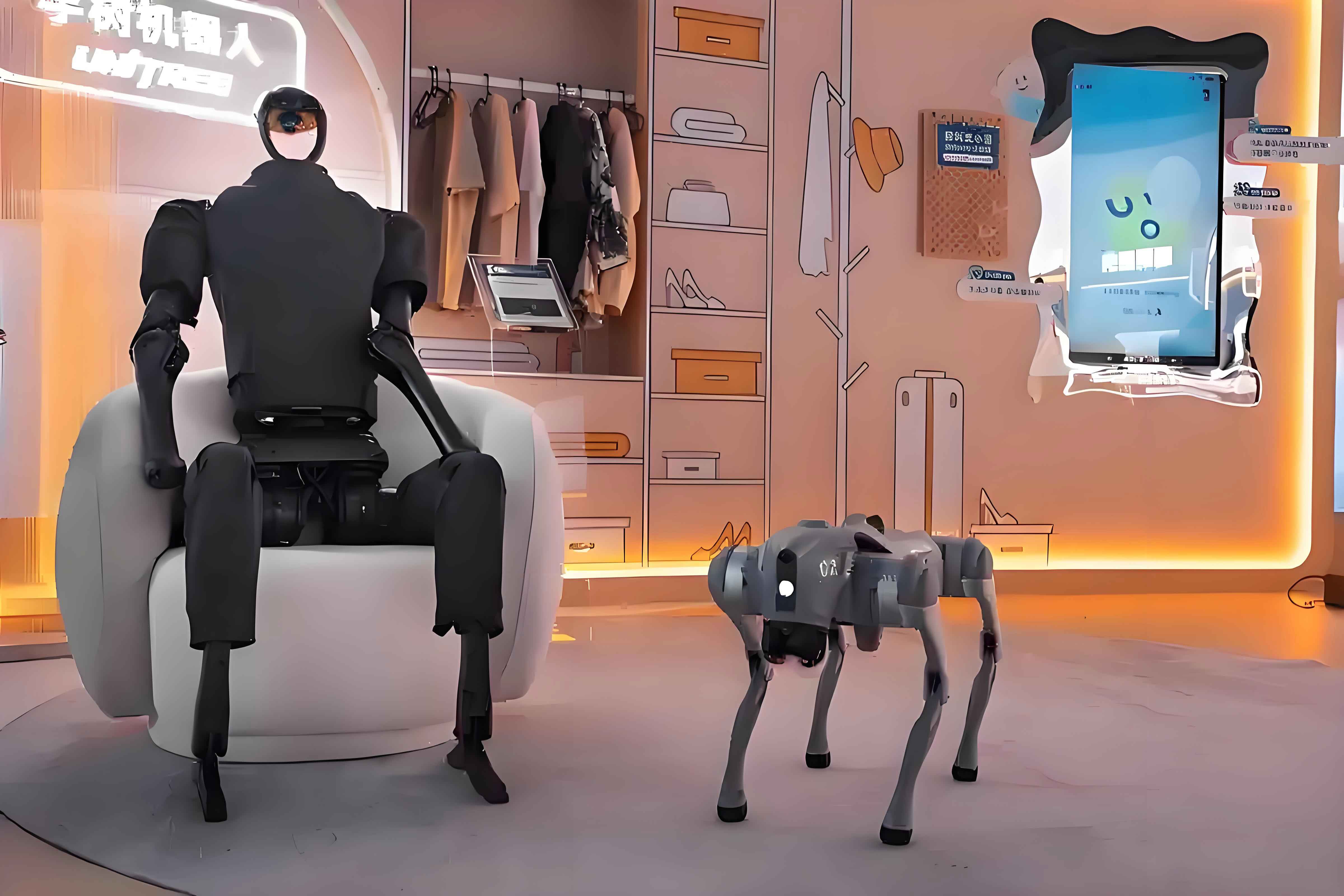
Theoretical Framework and Analytical Dimensions
To systematically deconstruct and compare the multifaceted development of humanoid robots, this analysis adopts an integrated “Technology–Industry–Policy–Ethics–Safety” (T.I.P.E.S.) synergistic framework. This framework is grounded in several interconnected theoretical foundations.
From a technological perspective, General Systems Theory emphasizes analyzing complex systems holistically. A humanoid robot is a quintessential cyber-physical system where advancements in actuators, sensors, control algorithms, and AI must co-evolve. The performance trajectory can be partially modeled by an S-curve diffusion model, where the rate of technological adoption \(A(t)\) over time \(t\) follows a sigmoidal pattern, often expressed as:
$$
A(t) = \frac{K}{1 + e^{-b(t – t_0)}}
$$
where \(K\) is the saturation level, \(b\) is the growth rate, and \(t_0\) is the inflection point. Different nations currently occupy different phases on this curve for various sub-technologies.
The industrial dimension is analyzed through the lens of innovation ecosystems and value chain theory. The focus lies on how national capabilities in manufacturing, supply chain integration, and market creation interact to form competitive or cooperative industrial structures.
Policy analysis draws from public policy process models, examining how governments employ a mix of instruments—from direct R&D subsidies and tax incentives to standard-setting and regulatory sandboxes—to steer technological development and market formation.
The ethical inquiry is informed by responsibility ethics, particularly the precautionary principle, which calls for anticipatory governance of technologies with high societal impact. This involves examining frameworks for accountability, transparency, and the preservation of human dignity in human-robot interaction.
Finally, the safety dimension is structured around risk management theory, conceptualizing risk \(R\) as a function of hazard scenarios \(H\), their probability \(P\), and the severity of consequences \(C\):
$$
R = f(H, P, C)
$$
This model guides the analysis of how different regions prioritize and mitigate physical, operational, and cyber risks associated with humanoid robots.
Methodology: Bibliometric and Semantic Analysis
To ground the comparative analysis in empirical data, a bibliometric and semantic analysis of academic literature was conducted. Research publications from 2000 to 2025 were sourced from major databases: the China National Knowledge Infrastructure (CNKI) for Chinese literature and the Web of Science (WoS) core collection for literature from Western and other advanced economies.
Data processing involved keyword co-occurrence network analysis, cluster analysis, and Latent Semantic Indexing (LSI). Cluster analysis, primarily using the K-means algorithm, aimed to identify thematic foci within the research corpus by minimizing the within-cluster sum of squares (WCSS):
$$
WCSS = \sum_{j=1}^{k} \sum_{x_i \in S_j} \| x_i – \mu_j \|^2
$$
where \(k\) is the number of clusters, \(S_j\) is the set of points in cluster \(j\), \(x_i\) is a data point, and \(\mu_j\) is the centroid of cluster \(j\).
LSI was employed to uncover the underlying semantic structures in the text corpora through Singular Value Decomposition (SVD):
$$
A_{m \times n} \approx U_{m \times k} \Sigma_{k \times k} V^{T}_{n \times k}
$$
where \(A_{m \times n}\) is the original term-document matrix, \(U_{m \times k}\) and \(V_{n \times k}\) represent term and document vectors in the reduced semantic space, and \(\Sigma_{k \times k}\) contains the top \(k\) singular values.
The results of these analyses, presented in the following sections through summary tables and thematic maps, reveal the evolving priorities and distinctive profiles of humanoid robot research and development in China and the West.
Developmental Trajectories: A Comparative Overview
The Evolution of Humanoid Robotics in China
China’s journey in humanoid robot development, though starting later than in Japan or the US, has been marked by rapid acceleration, heavily influenced by national strategic policy directives.
1. Phases of Development:
• Technology Exploration (2001–2005): Focused on fundamental robotics principles, bipedal locomotion, and basic kinematic/dynamic control.
• Human-like Structure Optimization (2006–2014): Research shifted towards biomimetic design, with significant work on gait planning, spherical parallel mechanisms for joints, and enhancing motion stability.
• Intelligentization & Multi-Scenario Application (2015–2020): Deep integration of AI technologies like deep learning and machine vision propelled advancements in perception and task planning. Application scenarios expanded beyond labs.
• Ethical Governance and Frontier Fusion (2021–2025): Current focus integrates generative AI, while simultaneously grappling with ethical norms, safety standards, and core component indigenization (e.g., precision reducers, high-torque actuators).
2. Key Research & Development Focus Areas (Bibliometric Clusters):
• Hardware-Centric Performance: Gait planning, 3D linear inverted pendulum models, spherical parallel mechanisms, high-stiffness joint design, and integrated actuator modules.
• Application-Driven Integration: Service robots, elderly care, intelligent manufacturing, and educational applications.
• Policy & Ethics: “Specialized and sophisticated” (专精) technology support, AI legislation, technological ethics, and human-robot relationship studies.
• Safety & Reliability: Self-repair mechanisms, stiffness optimization, and federated learning for data security.
| Cluster Size | Silhouette Coefficient | Representative LSI Terms | Implied Focus |
|---|---|---|---|
| Large | 0.976 | Navigation; Application; Network | System Integration & Deployment |
| Medium | 0.973 | Control; Mobile Platform; Motion Redirection | Motion Control & Teleoperation |
| Medium | 0.928 | Embodied AI; New Quality Productive Forces | AI Integration & Economic Strategy |
| Medium | 0.936 | Spherical Parallel Mechanism; Joint; Stiffness | Advanced Mechanical Design |
| Small | 0.998 | Technological Ethics; Empowerment; Manipulation Effect | Ethical Governance |
The Evolution of Humanoid Robotics in Western Economies
The development in the US, EU, Japan, and South Korea is characterized by earlier foundational research, strong academia-industry links, and a growing emphasis on ethical-legal frameworks.
1. Phases of Development:
• Foundational Mechanics & Control (2000–2005): Pioneering work on bipedal walking, dynamic balance (e.g., Honda’s ASIMO), and basic human-robot interaction.
• Cognitive Expansion & Social Interaction (2006–2012): Rise of AI-enabled autonomy, research on social robotics, and early niche applications in therapy and education.
• Multi-Modal Fusion & Early Commercialization (2013–2020): Integration of advanced machine vision, tactile sensing, and deep reinforcement learning. Commercial and industrial prototypes (e.g., Boston Dynamics’ Atlas) demonstrated advanced capabilities, raising ethical debates.
• Frontier AI Integration & Ubiquitous Computing (2021–present): Deep fusion with large AI models (e.g., Tesla’s Optimus), exploration of humanoid robots in metaverse contexts, and intensified policy work on AI ethics and safety regulations (e.g., EU AI Act).
2. Key Research & Development Focus Areas (Bibliometric Clusters):
• Advanced AI & Cognition: Neural networks, deep reinforcement learning, supervised transfer learning, cognitive architectures, and human-robot teaming.
• Niche Application Ecosystems: Medical robotics, assistive technologies, educational toys, and industrial collaborative robots (cobots).
• Ethics & Human Factors: Mental models, ethical algorithm design, practitioner acceptance, and role definition for robots in society.
• Safety & Materials Science: Fatigue and sliding wear analysis of joints (e.g., aluminum alloys), cybersecurity, and safety certification standards.
| Cluster Size | Silhouette Coefficient | Representative LSI Terms | Implied Focus |
|---|---|---|---|
| Large | 0.75 | Bipedal walking robot; Assistive device; Controlled falling | Dynamic Locomotion & Hardware |
| Large | 0.744 | Practitioner acceptance; Toy manufacturing; Open-source tech | Social Integration & Ecosystem |
| Medium | 0.878 | Medical robotics; Mental model; Human-AI teaming | Healthcare & Cognitive Collaboration |
| Small | 0.998 | Fatigue wear; Sliding wear; Aluminum alloy; Robot joint | Materials & Longevity Engineering |
Comparative Analysis: Commonalities and Divergences
While both spheres aim to advance humanoid robot capabilities, their approaches reveal a complementary, and sometimes divergent, set of priorities shaped by respective strengths and strategic contexts.
Core Commonalities
1. Technological Convergence: Both prioritize “precise motion control” and “intelligent multimodal perception.” Research in both regions heavily features gait optimization, environment perception, and learning-based control strategies, indicating a shared understanding of the core technical challenges for a functional humanoid robot.
2. Industrial Structure: Both exhibit a layered industrial chain: upstream (core components like actuators, sensors), midstream (system integration), and downstream (scene-specific piloting). Each region actively pursues localization/domestication of core components to secure supply chains.
3. Policy Instrument Mix: Governments in both regions employ a combination of R&D funding, talent programs, testbed creation, and standard-setting. Both are experimenting with “regulatory sandboxes” to allow controlled testing of novel applications while managing risk.
4. Ethical Baseline: There is a shared, cautious approach to over-anthropomorphization and a consensus on establishing clear boundaries to prevent social relationship alienation. The principle of robot as a “tool” or “assistant” rather than an autonomous entity is widely acknowledged.
5. Safety Imperative: A tripartite safety framework encompassing hardware reliability, data privacy/security, and emergency response protocols is under construction in both China and the West, recognizing that safety is a prerequisite for social acceptance of humanoid robots.
Critical Divergences
The differences are stark and define the current global landscape of humanoid robot development.
| Dimension | China’s Characteristic Approach | Western Economies’ Characteristic Approach | Implied Competitive/Complementary Dynamic |
|---|---|---|---|
| Technology | “Limbs-First” / Hardware-Centric: Focus on gait stability, joint design (e.g., high-torque integrated actuators), hardware performance optimization, and cost reduction through manufacturing scale. | “Brain-Dominant” / Algorithm-Centric: Focus on AI/ML algorithms, cognitive architectures, sim-to-real transfer learning, and high-level task planning powered by large foundation models. | Complementary Specialization. China builds robust, cost-effective platforms; the West develops advanced “intelligence.” Full-system leadership requires mastery of both. |
| Industry | Scale-Driven Full-Chain Integration: Policy-driven push for industrialization. Focus on large-scale, standardized applications in manufacturing, logistics, and public services to achieve economies of scale and supply chain control. | Vertical Ecosystem Deep-Diving: Leadership in niche, high-value domains (surgical robots, advanced prosthetics, specialized cobots). Strengthens ecosystem barriers through deep IP, open-source software communities, and specialist integrators. | Scale vs. Premium. China leverages manufacturing prowess for volume; the West leverages R&D depth for performance and profitability in specialized sectors. |
| Policy | Proactive, Incentive-Based Support: Top-down strategic plans, significant state-led R&D funding, “first-set” procurement subsidies, and industrial parks. Aims to accelerate catch-up and market creation. | Defensive, Regulation-Centric Governance: Emphasis on ex-ante risk assessment, ethical guidelines (EU AI Act), liability frameworks, and standards for safety and data protection. Aims to shape innovation within societal guardrails. | Facilitation vs. Friction. Chinese policy aims to reduce innovation friction; Western policy increasingly adds structured friction to mitigate societal risk. |
| Ethics | Pragmatic & Functional Boundary-Setting: Focus on “non-anthropomorphic” design, clear service boundaries, and preventing emotional substitution. Often framed within the context of social stability and practical utility. | Human-Centric & Rights-Based Frameworks: Focus on transparency (“algorithmic explainability”), human oversight, psychological impact, and preventing bias/discrimination. Deeply influenced by humanist traditions and data privacy rights. | Pragmatism vs. Principle. China emphasizes what robots should not do to be safe tools; the West debates what robots are and their role in a human-centric society. |
| Safety | Point-Solution & Rapid Deployment: Focus on specific hardware reliability enhancements (e.g., joint self-repair), rapid cost-down for safety features, and fast emergency response protocols. | Systemic & Lifecycle-Oriented: Focus on material science for longevity (wear analysis), comprehensive cybersecurity architectures, and alignment with international safety standards (ISO, IEC). | Immediate Robustness vs. Long-Term Resilience. China prioritizes getting safe-enough robots to market; the West invests in proving long-term safety under diverse, uncertain conditions. |
Conclusions and Strategic Implications
The comparative analysis reveals that the global development of humanoid robots is not a monolithic race but a complex mosaic of complementary specializations and competing paradigms. China’s path, characterized by hardware-focused optimization and policy-driven industrial scaling, effectively leverages its manufacturing ecosystem to lower barriers to entry and promote widespread adoption in structured environments. Western economies, conversely, maintain leadership in AI algorithms, niche high-value applications, and the development of foundational ethical-legal frameworks. This creates a symbiotic, albeit competitive, interdependence: advanced platforms require both sophisticated “brains” and robust, affordable “bodies.”
The “limbs-first” versus “brain-dominant” dichotomy presents a critical strategic juncture. For China, the primary challenge lies in transitioning from excellent mechanical replication to groundbreaking algorithmic innovation to avoid long-term dependency. For the West, the challenge is to translate algorithmic prowess into affordable, reliable, and scalable physical systems to maintain industrial relevance.
Recommendations for Global Synergy and Responsible Advancement
To foster beneficial global innovation in humanoid robotics while mitigating risks, the following cross-cutting recommendations emerge from the analysis:
1. For Technology Development:
• China: Establish dedicated “Humanoid Robot Algorithm Funds” to foster interdisciplinary research between AI institutions and robotics engineering centers, specifically targeting sim-to-real transfer, multimodal fusion, and embodied AI.
• West: Increase public investment in advanced actuator and sensor research to complement AI strengths, ensuring hardware keeps pace with software ambitions.
2. For Industrial Policy:
• China: Deepen vertical scenario development (e.g., detailed national plans for elderly-care or medical rehabilitation robots) alongside horizontal scaling, offering targeted subsidies for niche application pioneers.
• West & China: Promote international “pre-standardization” consortia to align safety and interoperability protocols early, reducing future market fragmentation and easing technology transfer.
3. For Policy & Governance:
• Mutual Learning: China could pilot more “ethical sandboxes” for testing human-robot interaction boundaries. Western regulators could study China’s “first-set” insurance models to de-risk early adoption of innovative robotic solutions in public sectors.
• Dynamic Regulation: Policy tools must evolve with technology readiness: heavy R&D incentives and market creation at early stages, gradually incorporating stronger transparency and accountability requirements as applications mature and scale.
4. For Ethical Governance:
• Culturally-Inclusive Frameworks: Develop international ethical guidelines that respect cultural variances—e.g., differing attitudes toward robot “affect” in care settings—while upholding universal principles of non-maleficence, human dignity, and accountability. A clear, globally recognized “non-human agent” legal status for advanced humanoid robots is urgently needed.
5. For Safety Assurance:
• International Safety Certification: Work towards mutual recognition of core safety certifications for humanoid robots, building on existing machinery (e.g., ISO 10218) and AI safety standards. A joint “Humanoid Robot Cybersecurity Initiative” could address shared threats from data poisoning to remote hijacking.
Future Research Directions
This T.I.P.E.S. framework provides a foundational lens, yet further research is vital. Future work should:
1. Quantitatively model the efficacy of different policy instruments (subsidies vs. tax credits vs. procurement) on innovation speed and commercialization outcomes in the humanoid robot sector.
2. Explore the convergence of humanoid robot technology with other frontier fields like brain-computer interfaces and quantum sensing, analyzing new synergistic capabilities and associated governance challenges.
3. Investigate inclusive and sustainable development models for humanoid robotics, ensuring the benefits of automation are broadly shared and do not exacerbate global inequalities.
The journey towards advanced, beneficial, and integrated humanoid robots is a collective human endeavor. By recognizing the complementary nature of current development pathways, fostering strategic cooperation on shared challenges like safety and ethics, and responsibly managing competition, the global community can steer this powerful technology towards outcomes that enhance human potential and societal well-being.