
In the wake of the 20th National Congress of the Communist Party of China, which unequivocally placed innovation at the core of China’s modernization efforts, the nation’s strategic focus has sharply turned towards advanced technologies that drive industrial transformation and enhance quality of life. Among these, robot technology stands out as a pivotal force. Recognized as a core technology for advanced manufacturing and a critical enabler for meeting the people’s growing aspirations for a better life, robotics has become a central pillar of China’s innovation agenda. This emphasis is setting the stage for a transformative era in the China robot ecosystem, with implications that ripple across the global technological landscape.
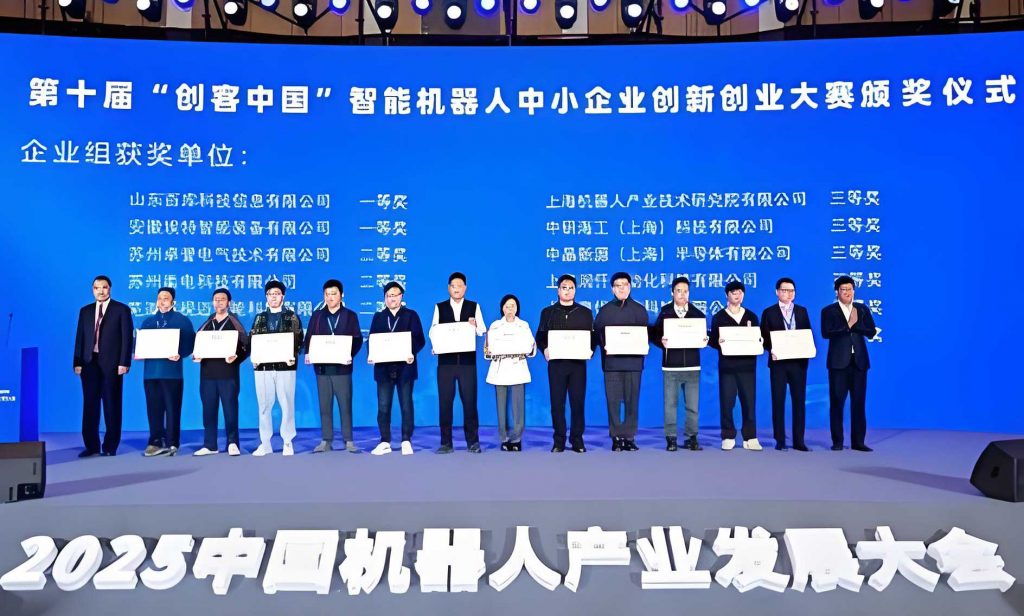
The trajectory of the China robot sector is being shaped by a potent combination of sustained state support for fundamental and applied research, aggressive corporate investment in development and market expansion, and the deepening convergence with cutting-edge fields like digital technology. This multi-pronged approach is steadily enhancing the innovative capacity of the China robot industry. Analysts observe that these efforts are methodically narrowing the historical gap with traditional robotics powerhouses. More notably, there is growing confidence that China is poised to achieve global leadership in specific segments, particularly within service robotics and specialized industrial robots. To capture this dynamic narrative, a comprehensive cover feature has been curated, aiming to present a panoramic view of the current state and future vectors of the China robot industry, while delving deeply into the potential development pathways for the upcoming “15th Five-Year Plan” period.
1. The Current Landscape: Foundations and Momentum of the China Robot Industry
The China robot industry has evolved from a position of late adoption to one of rapid expansion and increasing sophistication. Initially focused on importing and assimilating technology, the sector has progressively built a robust domestic foundation. Today, it encompasses a wide spectrum, from industrial robots deployed in automotive and electronics assembly lines to a burgeoning array of service robots designed for logistics, healthcare, hospitality, and domestic applications. The growth of the China robot market is intrinsically linked to the country’s broader manufacturing ambitions and its societal shift towards an automated, digital economy.
Several key characteristics define the present state of the China robot industry:
- Scale and Market Dynamics: China has consistently been the world’s largest market for industrial robot installations for several years, demonstrating immense domestic demand that fuels local production and innovation. This vast market provides a crucial testing ground and scale advantage for China robot manufacturers.
- Supply Chain Development: Significant progress has been made in localizing the robot supply chain. While some high-precision components like reducers and servo motors still see reliance on imports, domestic manufacturers are making steady inroads, reducing dependencies and strengthening the ecosystem’s resilience.
- Policy Ecosystem: A series of national and local-level initiatives, such as “Made in China 2025” and subsequent robotics industry development plans, have created a favorable policy environment. These frameworks offer guidance, financial incentives, and strategic direction for the China robot sector.
- Innovation Hubs and Clusters: Geographical clusters have emerged in regions like the Yangtze River Delta, Pearl River Delta, and Bohai Rim, where universities, research institutes, and enterprises collaborate closely, fostering innovation in the China robot field.
2. The Innovation Engine: Drivers Propelling the China Robot Sector Forward
The future competitiveness of the China robot industry hinges on its ability to innovate. The reported national commitment to bolstering basic research and industry-common technologies is a fundamental driver. This involves increased funding for academic institutions and state-led research projects focused on core robotics technologies such as artificial intelligence for perception and control, new materials for lightweight designs, and advanced sensor systems. Concurrently, Chinese enterprises, both large conglomerates and agile startups, are ramping up their R&D expenditures. This dual thrust from the public and private sectors is accelerating the pace of technological advancement within the China robot domain.
A transformative factor is the deep integration of digital technologies with robotics. The convergence of the China robot industry with AI, big data, the Internet of Things (IoT), and 5G communications is creating a new generation of intelligent, connected robots. This synergy is evident in several areas:
- AI-Powered Cognition and Adaptation: The integration of machine learning and computer vision is enabling China robots to perform complex tasks in unstructured environments, moving beyond repetitive factory work to adaptable roles in warehouses, hospitals, and public spaces.
- Cloud Robotics and Connectivity: Leveraging cloud computing and 5G networks allows for centralized data processing, swarm intelligence coordination, and remote operation of China robots, enhancing their capabilities and operational efficiency.
- Digital Twin and Simulation: The use of digital twins for simulating robot operations and production lines before physical deployment is reducing development cycles and optimizing performance for China robot systems.
- Human-Robot Collaboration (Cobots): Advances in safety sensors and intuitive programming are making collaborative robots a focal point. The development of user-friendly, safe cobots is a key area where the China robot industry is actively innovating to meet the needs of small and medium-sized enterprises.
This digital fusion is not merely an upgrade; it is redefining the very nature of what a China robot can be and do, opening doors to applications previously deemed impractical.
3. Forging Leadership: Dominance in Service and Specialized Robot Segments
While the journey to overall parity with global leaders continues, the China robot industry is carving out distinct areas of strength and potential leadership. The service robot and specialized (or non-industrial) robot segments are where this trend is most pronounced. Several factors contribute to this emerging advantage.
First, the domestic market for service robots in China is exploding, driven by an aging population, rising labor costs in service sectors, and heightened consumer acceptance of technology. This creates a powerful demand-pull innovation cycle specifically for China robot solutions tailored to local contexts. Second, the application-driven innovation model prevalent in China allows for rapid iteration and scaling of robots designed for specific, often massive, use cases—from food delivery robots in smart restaurants to disinfectant robots deployed in hospitals during health crises.
Key segments where the China robot industry is making significant strides include:
- Logistics and Warehouse Automation: Companies are deploying fleets of autonomous mobile robots (AMRs) and automated guided vehicles (AGVs) in e-commerce fulfillment centers, a sector where China leads globally. The scale and complexity of these operations provide unparalleled data and experience for refining China robot technologies.
- Healthcare Robotics: From surgical assistance systems and rehabilitation robots to telepresence and logistics robots within hospitals, the China robot sector is responding to the urgent needs of its healthcare system. Innovations here often focus on cost-effectiveness and adaptability to diverse clinical settings.
- Consumer and Domestic Robots: The market for educational robots, cleaning robots, and companion robots is vast. Chinese firms are leaders in volume production and feature innovation for these consumer-grade China robot products, often integrating strong AI capabilities for interaction.
- Specialized Field Robots: This includes robots for agriculture (e.g., automated harvesters), inspection and maintenance of infrastructure like power lines and pipelines, and public safety applications. The diverse geographical and industrial landscape of China provides a rich testing ground for these specialized China robot platforms.
The agility to identify niche demands and deploy scalable solutions quickly may well position the China robot industry as the benchmark in these service and specialized domains on the world stage.
4. Navigating the Future: Pathways for the “15th Five-Year Plan” Period and Beyond
As the nation looks toward the “15th Five-Year Plan” period (2026-2030), strategic foresight is essential to consolidate gains and address remaining challenges. The development path for the China robot industry is likely to be characterized by several interwoven themes.
Deepening Technological Self-Reliance: A paramount objective will be to achieve greater independence in core technologies and critical components. This involves not only advancing domestic production of key parts but also pioneering next-generation robotics architectures and software platforms. The goal is to build a China robot industry that is innovative, secure, and globally competitive from the ground up.
Industry 4.0 and Smart Manufacturing Integration: The role of robots will be increasingly viewed within the holistic framework of smart factories and digital supply chains. The future China robot will be a deeply integrated node in a networked production system, communicating seamlessly with other machines, enterprise resource planning systems, and human operators. Standardization of communication protocols and data interfaces will be a crucial area of focus.
Ethical, Safety, and Regulatory Frameworks: As China robots become more autonomous and pervasive, establishing robust ethical guidelines, safety standards, and regulatory sandboxes will be imperative. This includes addressing concerns about job displacement, data privacy, and human-robot interaction safety. Proactive policy-making in this area will be vital for sustainable public trust and industry growth.
Talent Cultivation and International Collaboration: Sustaining innovation requires a continuous pipeline of skilled engineers, programmers, and robotics specialists. Enhancing STEM education and fostering international exchanges for research will be key. While pursuing technological sovereignty, strategic international partnerships in open research and standard-setting will remain important for the global integration of the China robot industry.
Green and Sustainable Robotics: Aligning with broader national sustainability goals, the development of energy-efficient robots, use of recyclable materials, and applications of robots in environmental protection (e.g., waste sorting, pollution monitoring) will gain prominence. The China robot industry has the potential to be a driver of green manufacturing practices.
5. The Global Context: Positioning the China Robot Industry on the World Stage
The rise of the China robot industry does not occur in isolation. It is a significant development within the global robotics landscape, characterized by both competition and potential for collaboration. Traditional powerhouses like Japan, Germany, and the United States continue to hold strong positions in precision engineering, high-end industrial robots, and foundational AI research. However, the scale, speed, and application-focused approach of the China robot sector present a unique model.
For global markets, China robot companies are increasingly becoming sources of affordable, capable, and rapidly deployable robotic solutions, particularly in the service and logistics sectors. This is altering global supply chains and offering new choices to consumers and businesses worldwide. At the same time, the intense domestic competition within China is fostering a breed of highly resilient and innovative firms.
The path forward involves navigating complex dynamics: protecting intellectual property while engaging in open innovation, meeting domestic demand while expanding global market share, and adhering to international standards while contributing to their evolution. The success of the China robot industry will, in many ways, be measured by its ability to contribute value to the global ecosystem while securing its technological and economic interests.
Conclusion: A Future Engineered with Precision and Promise
The narrative of the China robot industry is one of determined ascent, strategic focus, and immense potential. Anchored by the national priority on innovation and fueled by a dynamic interplay of policy support, corporate ambition, and technological convergence, the sector is transitioning from a volume player to an innovation leader. The focus on service and specialized robots leverages distinct domestic advantages and could redefine segments of the global market.
The journey ahead, particularly through the “15th Five-Year Plan” period, will require a balanced approach—strengthening core technological capabilities, integrating seamlessly into the digital economy, addressing socio-ethical considerations, and engaging constructively with the world. If these pathways are navigated successfully, the China robot industry is not merely poised to catch up; it is positioned to shape the future of robotics in ways that reflect its unique context and capacities. The promise is clear: a more automated, efficient, and innovative future, with the China robot industry playing a central and influential role in its realization. The world will be watching, and undoubtedly learning, from this remarkable technological evolution.