
Since the birth of the world’s first robot in 1954, the robotics industry has achieved remarkable milestones, with robots now widely applied across various sectors such as service manufacturing, medical education, disaster relief, and support industries. In 2013, the McKinsey Global Institute published the report “Disruptive Technologies: Advances that Will Transform Life, Business, and the Global Economy,” where advanced robotics topped the list of 12 transformative technologies. Humanity has consistently pursued more intelligent and automated lifestyles, and the research, development, manufacturing, and application of robots will meet the demand for a better future life. In the future, robotics is poised to become a key indicator of a nation’s technological and cultural prowess. Reflecting on the Industrial Revolution, the widespread use of machinery amplified and extended human physical capabilities, while the proliferation of computers enhanced brain functions. With the advancement of science and technology, the cost of robots and their performance exhibit an inverse relationship, and as manufacturing develops rapidly, cost is no longer the critical factor determining robot capabilities. Instead, robots will continuously strengthen and expand human potential, playing a vital role in a country’s economic development and national security construction. In the future, robots will become an indispensable presence in human societal life.
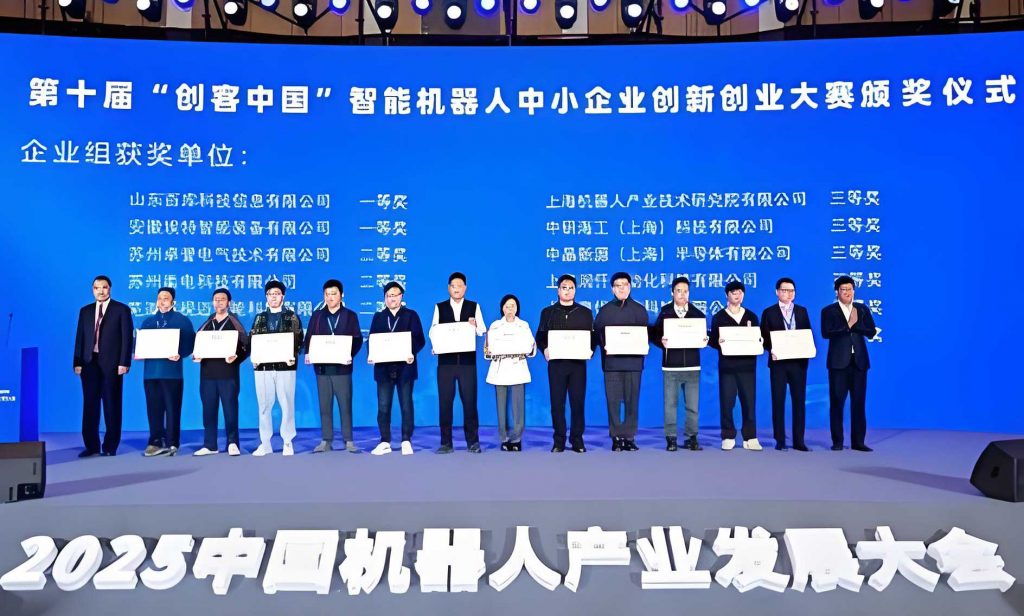
The evolution of China robot development reflects a strategic shift from traditional industrial applications to more sophisticated, intelligent systems. This article delves into the current state of robotics globally and domestically, analyzes the technological foundations in China, and offers insights into future directions, emphasizing the growing importance of China robot initiatives in shaping the global landscape.
- Global Robotics Development Landscape
Since the 21st century, industrial powers worldwide have recognized the importance of robotics in future technological industries. In April 2013, Germany proposed the “Industry 4.0” development strategy, with its core aimed at enhancing the intelligence level of German industry and promoting economic growth. Similarly, the United States launched the “Advanced Manufacturing Partnership,” planning to invest $2.8 billion in developing new intelligent robots. In October 2012, South Korea released the “Robot Future Strategy Vision 2022,” focusing on solving current technical challenges, expanding export markets, and boosting the country’s robotics industry strength. In June 2014, the European Union announced the initiation of the “SPARC” plan, intending to invest €2.8 billion by 2020 for the research and development of civil robots.
Robots are expected to fundamentally transform human life, much like internet technology, and will become ubiquitous worldwide. A nation’s competitiveness in technological innovation will increasingly depend on the development of its robotics industry. Robots will assist humans in completing complex tasks and play a crucial role in addressing numerous challenges such as the utilization of non-renewable resources, societal aging, and family care. This global momentum underscores the strategic significance of robotics, with China robot development aligning with these international trends to foster innovation and economic growth.
The integration of robotics into various sectors highlights the transformative potential of these technologies. For instance, in manufacturing, robots enhance precision and efficiency, while in healthcare, they enable advanced surgical procedures and patient care. The global push for robotics excellence sets a benchmark for China robot advancements, driving competition and collaboration in the field. As countries invest heavily in robotics, the focus shifts towards creating more adaptive, intelligent, and interconnected systems, which are central to the future of automation. China robot development, in particular, is gaining traction through strategic policies and technological investments, positioning it as a key player in the global robotics arena.
Moreover, the emphasis on robotics in national strategies reflects a broader recognition of its economic and social impacts. From Germany’s Industry 4.0 to South Korea’s targeted initiatives, the race to lead in robotics innovation is intensifying. For China robot development, this means leveraging international best practices while addressing domestic needs, such as industrial upgrading and service sector expansion. The global landscape serves as both an inspiration and a challenge for China robot efforts, prompting accelerated research and development to keep pace with worldwide advancements.
- Domestic Robotics Development in China
On May 19, 2015, the State Council of China issued the “Made in China 2025” plan, identifying robotics as one of the key focus areas. The plan emphasizes accelerating the development of intelligent and automated products, researching and developing smart robots with high human-machine interaction capabilities, and promoting the broader application of industrial robots in fields such as automobiles, mechanical electronics, hazardous environments, and aerospace. It also aims to rapidly expand the domestic and international markets for service and special robots in areas like healthcare, household services, education, and entertainment.
On May 4, 2016, the Ministry of Industry and Information Technology, the National Development and Reform Commission, and the Ministry of Finance jointly issued the “Robot Industry Development Plan (2016-2020),” providing direction for China’s robotics industry during the 13th Five-Year Plan period, with the goal of forming a relatively complete robot industry system. According to the plan, by 2020, the annual sales of service robots in China are expected to exceed 30 billion yuan, and the annual production of China brand robots will reach 100,000 units. Accelerating the development of the robot industry towards greater intelligence and automation, and forming a robot industry system with Chinese characteristics, is of significant importance for realizing the “Chinese Dream” of the great rejuvenation of the Chinese nation and improving people’s living standards.
The strategic focus on China robot development is evident in these policy frameworks, which aim to transform the country into a global leader in robotics. The “Made in China 2025” initiative, in particular, highlights robotics as a priority sector for technological upgrade and industrial transformation. This aligns with broader economic goals to move up the value chain and reduce reliance on low-cost manufacturing. By fostering innovation in China robot technologies, the plan seeks to enhance competitiveness in high-tech industries and create new growth drivers for the economy.
Furthermore, the “Robot Industry Development Plan (2016-2020)” sets concrete targets for the China robot sector, emphasizing not only quantitative outputs but also qualitative improvements in intelligence and automation. This includes developing robots that can operate in diverse environments, from factories to homes, and enhancing their capabilities through advanced sensors, control systems, and artificial intelligence. The plan also encourages collaboration between academia, industry, and government to build a robust ecosystem for China robot innovation, ensuring that research breakthroughs translate into commercial applications.
The emphasis on service robots reflects a growing demand for automation in non-industrial settings, such as healthcare and education. For China robot development, this presents opportunities to address societal challenges like an aging population and labor shortages. By investing in these areas, China aims to create robots that are not only efficient but also user-friendly and accessible, thereby improving quality of life and supporting social welfare. The domestic market for China robot products is expected to expand rapidly, driven by policy support and increasing adoption across sectors.
In addition to national policies, local governments in China have launched initiatives to support robotics clusters and innovation hubs. For example, regions like Guangdong, Jiangsu, and Shanghai have established robotics industrial parks and funding programs to attract talent and investment. These efforts complement national strategies and help accelerate the growth of the China robot industry. By fostering a conducive environment for research and development, China is building a strong foundation for sustained innovation in robotics, positioning itself as a key contributor to global advancements in the field.
- Current Technological Foundations in China’s Robotics Research
China began researching and manufacturing robots in the 1970s. Driven by a series of policy supports and market demands, the development of China’s robotics industry has yielded fruitful results. Currently, significant technological breakthroughs have been achieved in areas such as arc welding robots, fully autonomous programming intelligent industrial robots, human-machine collaborative robots, intelligent public service robots, and intelligent nursing robots.
The technological foundations for China robot development can be categorized into several key areas:
- Theoretical Research: The foundation of robot research and application lies in theoretical studies. In terms of robot theory and technology research, China has conducted studies on robot programming languages, kinematics and dynamics of robot mechanisms, and the research and development of internal and external sensors. Notable achievements have been made in control technology, vision calibration, self-diagnosis and repair, and safety protection technologies. These advancements provide a solid theoretical base for advancing China robot capabilities and ensuring their reliability and efficiency in various applications.
- Key Component Development: In the development of robot unit module technologies and basic components, China has researched and manufactured products such as AC and DC servo motors and their corresponding drive systems, tachogenerators, photoelectric encoders, harmonic and RV reducers, cross roller bearings, and thin-walled bearings. These components are critical for the performance and durability of robots, and their domestic production reduces reliance on imports, supporting the growth of the China robot industry. By mastering these core technologies, China can enhance the competitiveness of its robots in global markets.
- Control System Technology: Control research is a core issue in robot development. China has developed dual-CPU, multi-CPU, and hierarchical control equipment, enabling modular control of robots and corresponding unit groups. This progress in control systems allows for more precise and flexible robot operations, which is essential for complex tasks in industrial and service settings. The advancement in control technology underscores the sophistication of China robot systems and their potential for widespread adoption.
These technological foundations demonstrate the progress made in China robot research and development, highlighting the country’s ability to innovate and compete in the global robotics arena. The integration of theoretical insights, component manufacturing, and control systems has enabled the creation of robots that are increasingly intelligent, adaptable, and efficient. As China continues to invest in these areas, the technological foundations will strengthen, paving the way for next-generation robots that can address emerging challenges and opportunities.
Moreover, the focus on key components like reducers and servo motors is crucial for reducing costs and improving performance. In the past, many of these components were imported, but domestic production in China is helping to lower barriers and accelerate the deployment of robots. This self-sufficiency in supply chains enhances the resilience of the China robot industry and supports sustainable growth. Additionally, advancements in control systems enable robots to perform more complex tasks with greater autonomy, which is vital for applications in unstructured environments such as homes or disaster zones.
The collaboration between research institutions and industries in China has been instrumental in translating technological breakthroughs into practical solutions. Universities and labs conduct cutting-edge research, while companies focus on commercialization and scaling. This synergy fosters innovation and ensures that China robot development remains aligned with market needs. For instance, partnerships have led to the creation of robots for specific sectors like healthcare, where precision and safety are paramount. By leveraging these technological foundations, China is well-positioned to lead in niche areas of robotics and contribute to global knowledge and standards.
- Conclusions and Recommendations
The types of robots have gradually shifted from traditional industrial robots to service-oriented robots such as special robots. Contemporary robots should develop towards greater intelligence, automation, and the ability to replace humans in hazardous and complex environments. This also provides new directions and momentum for robot research. Based on the current technological foundations in China, the following recommendations are proposed:
- Enhance the manufacturing capability of basic components. Strengthening the production of core parts like sensors, actuators, and reducers will reduce dependencies and improve the quality and affordability of China robot products. This requires continued investment in precision manufacturing and materials science to achieve world-class standards.
- Create unique Chinese robot brands. Developing distinctive brands that reflect innovation and reliability can enhance the global competitiveness of China robot offerings. This involves focusing on design, user experience, and marketing to build trust and recognition in international markets.
- Introduce robust policies to encourage robot research and manufacturing. The government should provide incentives such as tax breaks, subsidies, and grants to support R&D and commercialization. Policies should also promote collaboration between sectors and streamline regulations to foster a vibrant ecosystem for China robot development.
- Conduct decisive technology research to develop new types of robots that meet diverse needs. Investing in emerging areas like artificial intelligence, machine learning, and human-robot interaction will enable the creation of more versatile and adaptive robots. This includes exploring applications in fields like agriculture, logistics, and entertainment to expand the reach of China robot solutions.
In summary, the analysis of China robot development reveals a dynamic landscape characterized by strategic policies, technological advancements, and growing market potential. From global trends to domestic initiatives, robotics is poised to play a transformative role in China’s economy and society. The current technological foundations provide a strong base for future innovation, but continuous efforts are needed to address challenges such as component manufacturing, branding, and policy support. By focusing on these areas, China can accelerate its progress in robotics and contribute to global advancements in automation and intelligence.
The future of China robot development hinges on leveraging existing strengths while addressing gaps in technology and infrastructure. As robots become more integrated into daily life, their impact on productivity, safety, and quality of life will grow. China’s commitment to robotics, as evidenced by national plans and research achievements, positions it as a key player in shaping the future of this industry. Through sustained investment and collaboration, China robot development can achieve new heights, driving economic growth and social progress in the years to come.
The journey of China robot development is marked by rapid evolution and strategic foresight. From early research in the 1970s to current breakthroughs in intelligent systems, the progress reflects a concerted effort to harness robotics for national advancement. As global competition intensifies, China’s focus on innovation and policy support will be crucial for maintaining momentum. The recommendations outlined above provide a roadmap for strengthening the China robot industry, ensuring that it remains at the forefront of technological change. By embracing these directions, China can not only meet domestic needs but also contribute to global robotics excellence, fostering a future where robots enhance human capabilities and improve lives worldwide.
The significance of China robot development extends beyond economic metrics to encompass social and environmental benefits. For instance, robots can assist in disaster response, reducing risks to human responders, or in elderly care, providing companionship and support. These applications highlight the human-centric approach that is increasingly important in robotics. By prioritizing such areas, China can demonstrate leadership in creating robots that are not only efficient but also ethical and socially responsible. This aligns with global trends towards sustainable and inclusive technology, reinforcing the role of China robot initiatives in building a better future.
In conclusion, the analysis underscores the transformative potential of robotics and the strategic importance of China robot development. Through continued research, policy support, and international collaboration, China can leverage its technological foundations to drive innovation and address global challenges. The road ahead requires persistence and creativity, but the rewards—in terms of economic growth, social welfare, and technological leadership—are substantial. As robots become more embedded in society, the contributions of China robot development will be felt across industries and borders, shaping a world where automation and intelligence work hand in hand with human aspirations.