
In a significant stride toward advancing the global humanoid robots industry, Shanghai has unveiled the nation’s first embodied intelligence standardized dataset platform and corresponding dataset standards for humanoid robots. This landmark initiative, announced during the 2025 Pujiang Innovation Forum sub-forum, establishes a unified “data language” for humanoid robots, enabling seamless data interchange across different entities. By defining consistent protocols for data collection, annotation, and storage, the standards serve as a crucial “metric system” for the humanoid robots sector, facilitating interoperability and fostering innovation. This development not only addresses long-standing fragmentation in data practices but also positions China as a key contributor to international standardization efforts in embodied intelligence, marking a pivotal moment in the maturation of humanoid robots technologies worldwide.
The introduction of this standardized framework was accompanied by the issuance of the first batch of CR product certification (China Robot Product Certification) certificates for humanoid robots datasets to three enterprises, including Zhiyuan Innovation (Shanghai) Technology Co., Ltd. This certification, awarded by the National Robot Testing and Assessment Center (Headquarters), provides authoritative validation of standardized data quality and applicability, underscoring a critical advancement in dataset standardization, evaluation, and industrial application for humanoid robots. The convergence of standards and certification creates a robust foundation for accelerating the commercialization and deployment of humanoid robots, signaling China’s commitment to leading in this high-stakes technological domain.
High-quality, diverse datasets are the essential “fuel” for achieving embodied intelligence in humanoid robots, and data standards form the bedrock of this fuel. The newly released standardized platform and certification system hold profound implications for the industrialization of humanoid robots, as they directly tackle core challenges related to data silos, scalability, and global competitiveness. Industry experts highlight that without such standardization, the progression of humanoid robots would remain hampered by inefficiencies and duplicated efforts, much like the early days of electric vehicles lacking unified charging protocols. This move is poised to reshape the landscape for humanoid robots, driving collaboration and innovation across research institutions, manufacturers, and end-users.
1. Fostering a Collaborative Ecosystem for Humanoid Robots Through Standardized Data
The competition in the humanoid robots field has evolved from a focus on hardware specifications to a battle over data ecosystems. Standardization is the prerequisite for unlocking the full value of data in humanoid robots development. Previously, the absence of universally accepted data standards and generic R&D platforms led to disparate classification codes, data annotation methods, formats, and management norms. This fragmentation created “data silos” that forced companies to “reinvent the wheel,” inflating research costs and impeding technical synergy and large-scale adoption. An industry expert analogized the situation to “humanoid robots operating without unified data standards being akin to new energy vehicles using different charging interfaces—without a common framework, the industry cannot coalesce into a cohesive force.”
The newly established dataset standards for humanoid robots delineate core requirements for classification and coding, data annotation, quality assessment, and storage formats, effectively creating a universal “data language.” This uniformity allows data from various organizations to be shared and compatible, breaking down data silos that have long stifled progress in humanoid robots. Moreover, it lowers the entry barrier for small and medium-sized enterprises, enabling them to concentrate resources on core algorithm innovation rather than grappling with inconsistent data infrastructures. Accompanying these standards is the launch of China’s first embodied intelligence standardized dataset platform, “Pujiang X” (DOME), which integrates the entire data lifecycle—from collection and governance to training and validation. This platform ensures the standardized production and efficient circulation of multi-modal data, systematically filling gaps in China’s embodied intelligence data standards and certification systems, and solidifying a national-level digital infrastructure and standard foundation for humanoid robots.
The implications for the humanoid robots industry are profound. By providing a common data framework, the standards encourage interoperability and knowledge sharing, which are critical for accelerating the development of advanced humanoid robots. For instance, researchers can now leverage datasets that adhere to consistent quality benchmarks, reducing the time and cost associated with data preprocessing and validation. This collaborative environment is expected to spur innovations in machine learning models tailored for humanoid robots, enhancing their cognitive and physical capabilities. As more entities adopt these standards, the ecosystem for humanoid robots will become more integrated, driving down costs and accelerating time-to-market for new applications.
2. Enabling Multi-Scenario Deployment of Humanoid Robots with Standardized Data Foundations
The true value of humanoid robots is realized through their performance in diverse application scenarios, each with unique data requirements. Industrial settings demand high-precision data for assembly operations, home environments rely on data simulating daily interactions, and medical applications necessitate stringent safety and compliance data. Prior to standardization, companies often engaged in fragmented, scenario-specific data collection and training, leading to high investments and frequent instances of humanoid robots underperforming due to inconsistent data quality. This “contextual misfit” hindered the scalable deployment of humanoid robots, as systems trained on non-standardized data struggled to adapt to real-world conditions.
The introduction of the standardized dataset platform, which encompasses multi-scenario data classification and quality evaluation criteria, addresses these challenges head-on. Coupled with CR certification that endorses data practicality, businesses can now access “compliant data” tailored to specific scenarios, significantly reducing adaptation costs. For example, the Zhiyuan AgiBot World dataset, developed within a 3,000-square-meter collection factory and experimental base, replicates five core scenarios—including home and industrial environments—and hundreds of sub-scenarios featuring over 3,000 items. This dataset exemplifies how standardized data can enhance the functionality of humanoid robots in varied contexts. Zhiyuan’s plans to open its standardized data capabilities to the industry further underscore the role of such initiatives in building a collaborative ecosystem for humanoid robots. Amid a growing trend of humanoid robots training facilities worldwide, these standardized datasets serve as foundational elements, ensuring that humanoid robots can be efficiently trained and deployed across multiple domains.
To illustrate the diverse data needs across scenarios, the following table outlines key application areas for humanoid robots and their corresponding data requirements, emphasizing how standardization facilitates interoperability:
| Application Scenario | Data Requirements for Humanoid Robots | Impact of Standardization |
|---|---|---|
| Industrial Manufacturing | High-precision assembly, manipulation, and safety compliance data | Enables seamless data sharing between factories, reducing customization costs for humanoid robots |
| Home Assistance | Interaction data for daily tasks, object recognition, and user behavior | Facilitates cross-platform compatibility, allowing humanoid robots to learn from diverse home environments |
| Healthcare | Strict safety protocols, patient handling, and medical procedure data | Ensures data reliability and compliance, critical for deploying humanoid robots in sensitive settings |
| Logistics and Warehousing | Navigation, sorting, and load-bearing data in dynamic environments | Supports scalable training datasets, improving the adaptability of humanoid robots in complex spaces |
This structured approach not only optimizes the performance of humanoid robots in targeted scenarios but also accelerates their integration into everyday life. As standardization reduces the barriers to data acquisition and validation, companies can focus on refining the cognitive and motor skills of humanoid robots, ultimately enhancing their utility and acceptance in society.
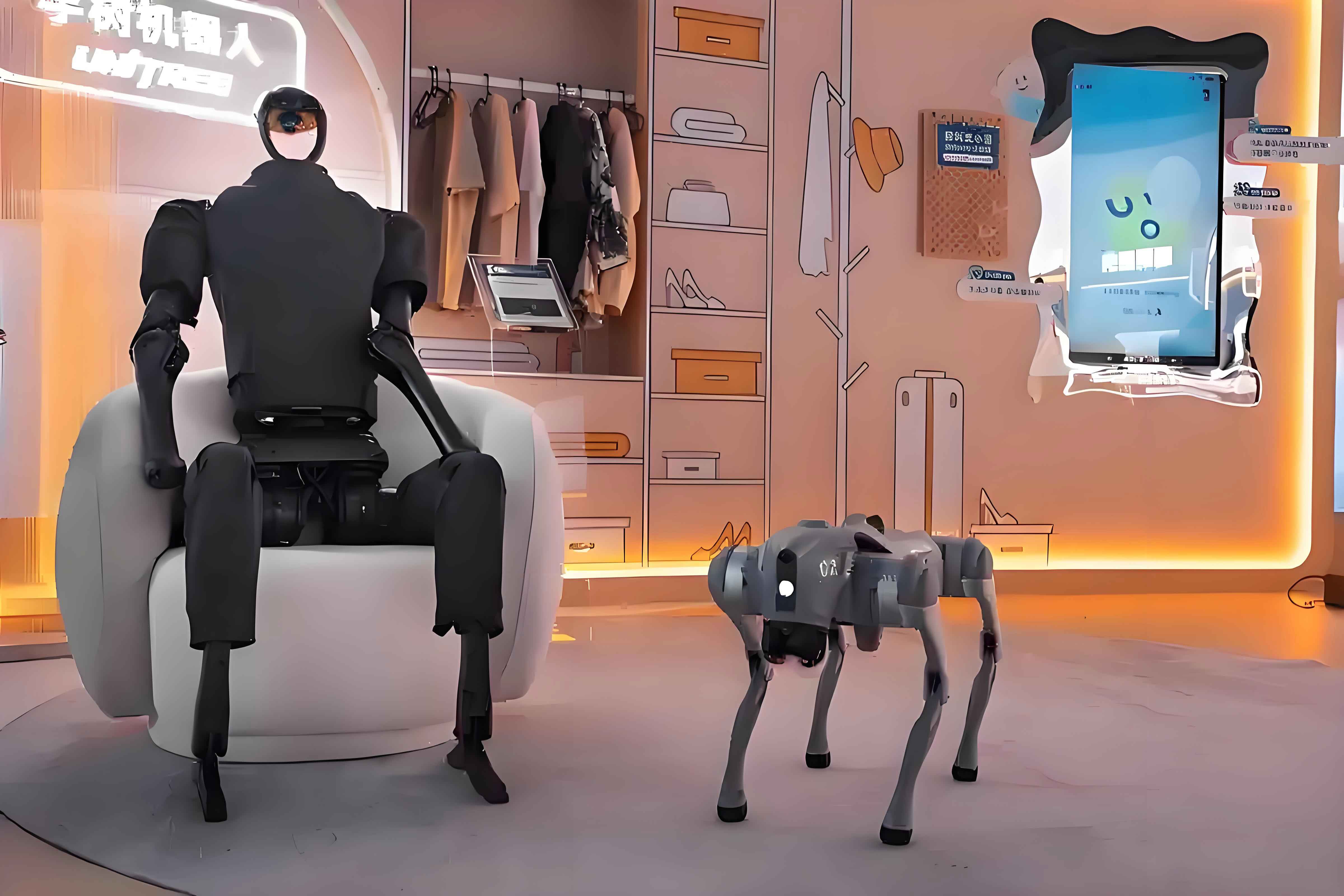
3. Propelling China to Global Leadership in Humanoid Robots Through Rulemaking and Innovation
China’s combination of standardized datasets and certification mechanisms represents a strategic move to achieve “rule leadership” in the global humanoid robots arena. This approach capitalizes on the country’s inherent advantages, such as the rich diversity of manufacturing and service scenarios, which provide a natural “scenario dividend” for data collection. When harmonized through standardization, this diversity is expected to yield the world’s most varied and comprehensive data ecosystem for humanoid robots, giving Chinese enterprises a competitive edge in training more versatile and resilient systems.
Beyond economic benefits, the autonomy and security of robot data are as critical as foundational technologies like chips and operating systems. The standardized certification framework strengthens data security from the source, mitigating reliance on foreign datasets and safeguarding against potential vulnerabilities. This focus on self-reliance not only protects the development of humanoid robots within China but also positions the country to influence international standards, transitioning from a participant to a leader in the global humanoid robots competition. The proactive establishment of these norms reflects a broader trend of China shaping technological frontiers, similar to its initiatives in 5G and artificial intelligence.
The global race for dominance in humanoid robots is intensifying, with major economies investing heavily in research and development. By setting these standards, China is not only addressing domestic needs but also offering a model that could be adopted internationally. For instance, the CR certification process provides a blueprint for quality assurance in humanoid robots datasets, which could inspire similar efforts elsewhere. This leadership in rulemaking enhances China’s soft power in the technology sector, attracting collaborations and investments that further accelerate the advancement of humanoid robots. As other nations observe the benefits of this standardized approach, they may seek to align their own policies, potentially leading to a more cohesive global framework for humanoid robots development.
4. The Future Trajectory of Humanoid Robots in a Standardized Data Environment
The implementation of unified data “metrics” is reshaping the industrial ecosystem for humanoid robots, with the standard dataset platform and CR certification system effectively dismantling long-standing data silos. This enables the efficient flow of multi-modal data throughout the production and application chains, paving the way for scalable adoption of humanoid robots. Industry stakeholders anticipate that this data-centric revolution will inject strong momentum into the large-scale deployment and ecological prosperity of humanoid robots, ushering in a new era of human-robot collaboration.
Looking ahead, the focus will shift toward refining these standards and expanding their global reach. Continuous updates to the dataset platform will incorporate emerging trends in artificial intelligence and robotics, ensuring that humanoid robots remain at the forefront of technological innovation. Moreover, international partnerships could emerge, leveraging China’s standardized frameworks to create cross-border data exchanges for humanoid robots. Such collaborations would not only accelerate the development of humanoid robots but also address global challenges, such as labor shortages and aging populations, by deploying humanoid robots in roles that require human-like dexterity and cognition.
In conclusion, the standardization initiatives represent a transformative step for the humanoid robots industry, aligning with broader movements toward digital transformation and intelligent automation. As humanoid robots become increasingly integrated into various sectors—from manufacturing and healthcare to entertainment and education—the importance of reliable, interoperable data cannot be overstated. By championing these standards, China is not only advancing its own technological capabilities but also contributing to a more connected and efficient global ecosystem for humanoid robots. The journey toward ubiquitous humanoid robots is complex, but with a solid data foundation, the vision of a new纪元 defined by human-robot synergy is within reach.