
In the rapidly evolving world of technology, the rise of China robot systems has become a focal point of global attention. The July 2022 issue of China Science and Technology Information provides a detailed exploration into the latest developments, trends, and innovations shaping this dynamic field. This news report delves into the key insights, highlighting how China robot technologies are transforming industries, driving economic growth, and positioning the nation as a leader in the global robotics arena. From industrial automation to intelligent service solutions, the progress in China robot capabilities reflects a strategic integration of research, policy, and market forces.
- The Current State of China Robot Development
The China robot sector has witnessed exponential growth over the past decade, fueled by substantial investments in research and development. According to analyses in the 2022 publications, the emphasis on robotics is part of a broader national strategy to enhance technological sovereignty and industrial competitiveness. China robot innovations are increasingly characterized by advancements in artificial intelligence, machine learning, and sensory systems, enabling more autonomous and adaptable machines. The integration of these technologies has led to the creation of sophisticated China robot models that can perform complex tasks with high precision and efficiency.
One of the standout features of the China robot ecosystem is its diversity. From manufacturing lines to healthcare settings, China robot applications are expanding across various domains. The 2022 reports underscore the collaborative efforts between academic institutions, private enterprises, and government agencies to accelerate the deployment of China robot solutions. This synergy has resulted in a robust pipeline of innovations, including collaborative robots (cobots), autonomous guided vehicles (AGVs), and humanoid robots, all contributing to the narrative of China robot leadership.
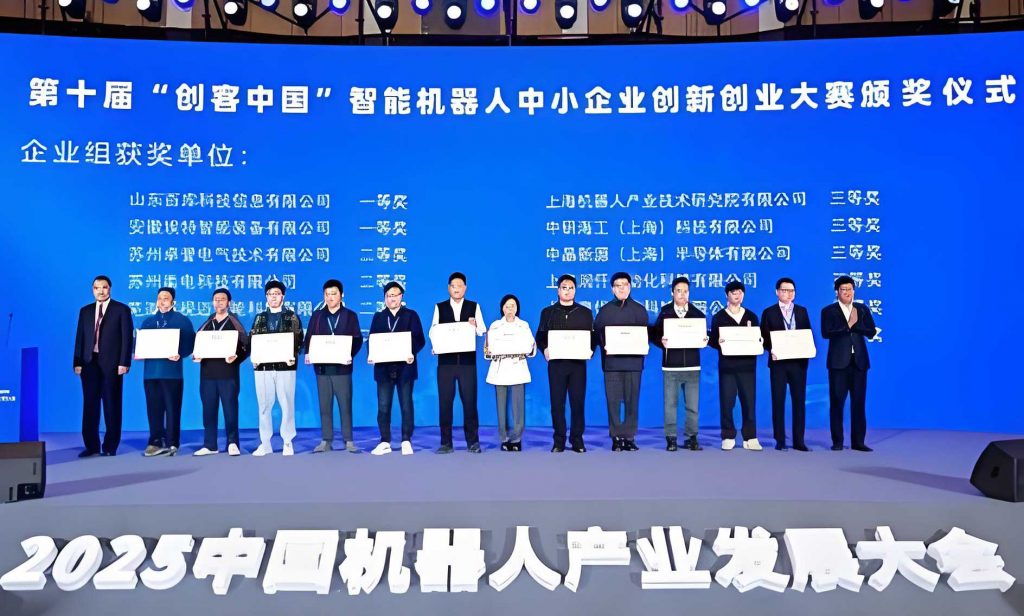
The visual representation above captures the essence of modern China robot designs, showcasing their integration into smart environments. As highlighted in the technology information reviews, the aesthetic and functional evolution of China robot units mirrors the nation’s commitment to cutting-edge engineering and user-centric design. This image exemplifies how China robot systems are being developed not only for utility but also for seamless interaction with human operators and surroundings.
- Industrial Applications of China Robot Systems
In the industrial sector, China robot technologies have revolutionized manufacturing processes, leading to what many term as the “Fourth Industrial Revolution.” The adoption of China robot automation in factories has significantly increased productivity, reduced operational costs, and improved product quality. Key industries such as automotive, electronics, and textiles have embraced China robot solutions to streamline assembly lines, conduct precision welding, and handle hazardous materials. The 2022 analyses indicate that China robot deployments in these areas have contributed to a notable rise in export competitiveness and domestic industrial output.
Moreover, the rise of smart factories equipped with China robot networks has enabled real-time data collection and analysis, facilitating predictive maintenance and optimized resource management. These intelligent China robot systems are often integrated with Internet of Things (IoT) platforms, allowing for seamless communication between machines and control systems. The result is a more resilient and agile manufacturing ecosystem, where China robot units can adapt to changing production demands with minimal human intervention.
To illustrate the breadth of industrial applications, the following table summarizes common uses of China robot technologies in various sectors, as derived from the 2022 technology information reports:
Industry Sector Primary China Robot Application Key Benefits Automotive Manufacturing Assembly and Painting China Robots Enhanced precision, reduced labor costs, increased safety Electronics Production Surface-Mount Technology (SMT) China Robots High-speed component placement, minimized errors Logistics and Warehousing Autonomous Guided Vehicle (AGV) China Robots Efficient inventory management, 24/7 operation Metal and Machinery Welding and Cutting China Robots Improved consistency, handling of dangerous tasks Pharmaceuticals Packaging and Sorting China Robots Sterile environments, compliance with regulations This table underscores the versatility of China robot systems in driving industrial efficiency. As noted in the information reviews, the continuous innovation in China robot hardware and software is expected to further expand these applications, with emerging fields like renewable energy and aerospace beginning to integrate China robot solutions for complex fabrication and maintenance tasks.
- Service and Consumer-Oriented China Robot Innovations
Beyond industrial settings, China robot technologies are making significant inroads into service sectors, enhancing everyday life and business operations. The 2022 publications highlight the growing demand for service robots in healthcare, hospitality, retail, and domestic environments. For instance, China robot assistants are being deployed in hospitals to support medical staff with patient care, sterilization, and logistics, thereby improving healthcare delivery and reducing infection risks. In the hospitality industry, China robot concierges and room service units are becoming common, offering personalized experiences while optimizing operational efficiency.
In the consumer domain, China robot products such as educational robots, entertainment droids, and home automation systems are gaining popularity. These China robot devices often incorporate artificial intelligence to provide interactive learning, companionship, and smart home management. The technology information reports emphasize that the development of user-friendly China robot interfaces has been crucial in driving adoption, as manufacturers focus on creating intuitive controls and adaptive behaviors that cater to diverse user needs.
Furthermore, the integration of China robot systems in public services, such as security patrols and environmental monitoring, demonstrates their societal impact. Autonomous China robot units equipped with sensors and cameras are used for surveillance in urban areas, while others assist in waste management and disaster response. These applications not only showcase the versatility of China robot technologies but also align with national goals for smart city development and sustainable living.
- Technological Foundations: AI and Connectivity in China Robot Systems
The advancement of China robot capabilities is deeply intertwined with progress in artificial intelligence and connectivity. As detailed in the 2022 science and technology information, modern China robot systems leverage AI algorithms for perception, decision-making, and learning. Machine learning techniques enable China robot units to analyze vast amounts of data from their environments, allowing them to recognize objects, navigate complex spaces, and improve performance over time. This has led to the emergence of autonomous China robot platforms that can operate in unstructured settings with minimal supervision.
Connectivity plays a pivotal role in the China robot ecosystem, with 5G networks and edge computing facilitating real-time communication and control. The deployment of high-speed, low-latency networks has enabled remote operation of China robot systems, opening up possibilities for telemedicine, remote inspections, and collaborative robotics across distances. Additionally, cloud-based platforms allow for the aggregation of data from multiple China robot units, supporting large-scale analytics and collective intelligence that drive further innovation.
Cybersecurity is another critical aspect addressed in the technology reviews, as interconnected China robot networks pose potential vulnerabilities. Researchers and developers are working on robust security protocols to protect China robot systems from malicious attacks, ensuring the integrity and safety of operations. This focus on secure and reliable connectivity is essential for maintaining trust in China robot applications, particularly in sensitive areas like healthcare and infrastructure.
- Policy Support and Strategic Initiatives for China Robot Growth
The rapid expansion of the China robot industry is underpinned by a strong framework of government policies and strategic initiatives. The 2022 reports outline various national and regional programs aimed at fostering innovation, supporting startups, and promoting the adoption of China robot technologies. For example, the “Made in China 2025” plan emphasizes the development of advanced robotics as a key pillar for upgrading the manufacturing sector. Through subsidies, tax incentives, and research grants, policymakers are encouraging enterprises to invest in China robot solutions and integrate them into their operations.
Educational and training programs are also being prioritized to build a skilled workforce capable of designing, operating, and maintaining China robot systems. Universities and vocational institutes across China have introduced specialized courses in robotics engineering, artificial intelligence, and mechatronics, ensuring a steady pipeline of talent for the China robot industry. Furthermore, international collaborations and partnerships are being leveraged to share knowledge and accelerate technological breakthroughs, positioning China robot innovations within a global context.
These strategic efforts have contributed to a vibrant ecosystem where China robot companies can thrive. From established giants to innovative startups, the landscape is rich with players developing cutting-edge China robot products. The technology information highlights success stories of homegrown China robot brands that have gained international recognition, demonstrating the effectiveness of policy support in cultivating a competitive and innovative market.
- Market Trends and Economic Impact of China Robot Adoption
The adoption of China robot technologies has profound economic implications, driving growth, efficiency, and new business models. Market analyses from the 2022 publications indicate a steady increase in the deployment of China robot systems across various industries, contributing to higher productivity and reduced operational costs. This has enabled businesses to reallocate human resources to more creative and strategic roles, fostering innovation and economic diversification. The China robot market itself has become a significant economic sector, generating revenue through hardware sales, software services, and maintenance contracts.
Export trends show that China robot products are gaining traction in international markets, with growing demand from regions such as Southeast Asia, Europe, and North America. This export growth not only boosts the national economy but also enhances China’s influence in the global technology landscape. Additionally, the rise of China robot technologies has spurred the development of ancillary industries, including sensor manufacturing, software development, and robotics consulting, creating a multiplier effect on job creation and economic activity.
However, the reports also note challenges such as market saturation in certain segments and the need for continuous innovation to maintain competitiveness. As more players enter the China robot space, differentiation through advanced features, reliability, and cost-effectiveness becomes crucial. The economic impact of China robot adoption is thus a double-edged sword, offering opportunities for growth while requiring ongoing investment in research and development to stay ahead of global trends.
- Future Prospects and Emerging Directions for China Robot Technologies
Looking ahead, the future of China robot technologies appears promising, with several emerging directions poised to shape the next wave of innovation. The 2022 science and technology information points to trends such as soft robotics, swarm intelligence, and human-robot collaboration as key areas of focus. Soft China robot systems, made from flexible materials, are being developed for delicate tasks in healthcare and exploration, offering safer interactions with humans and fragile environments. Swarm robotics, where multiple China robot units work together cohesively, holds potential for applications in agriculture, search and rescue, and environmental monitoring.
Another exciting frontier is the integration of China robot systems with augmented reality (AR) and virtual reality (VR) interfaces, enabling immersive training and remote operation. This could revolutionize fields like surgery, where surgeons use China robot assistants controlled via AR overlays for precision procedures. Moreover, advancements in energy efficiency and sustainability are driving the development of eco-friendly China robot designs that minimize environmental impact, aligning with global efforts towards green technology.
The ongoing convergence of technologies such as blockchain for secure data sharing and quantum computing for complex problem-solving may further enhance China robot capabilities. As these innovations mature, the boundaries of what China robot systems can achieve will continue to expand, opening new possibilities for societal benefit and economic advancement. The 2022 reports emphasize that continuous collaboration between academia, industry, and government will be essential to realize this potential and address any ethical or regulatory challenges that arise.
- Challenges and Considerations in the China Robot Evolution
Despite the progress, the development and deployment of China robot technologies are not without challenges. Ethical considerations, such as job displacement due to automation and the ethical use of AI in decision-making, are prominent concerns discussed in the 2022 publications. While China robot automation can boost efficiency, it may also lead to workforce transitions, necessitating policies for retraining and social support. Additionally, issues related to privacy, data security, and algorithmic bias in China robot systems require careful oversight to ensure responsible innovation.
Technical hurdles, including the high costs of advanced China robot components and the need for interoperability between different platforms, also pose barriers to widespread adoption. Researchers are working on standardizing protocols and reducing manufacturing costs to make China robot solutions more accessible to small and medium-sized enterprises. Furthermore, ensuring the reliability and safety of China robot operations in critical applications, such as autonomous vehicles or medical devices, remains a top priority, driving rigorous testing and certification processes.
By addressing these challenges through multidisciplinary approaches, the China robot community can foster sustainable growth and public acceptance. The technology information reviews suggest that transparent communication about the benefits and risks of China robot technologies, coupled with inclusive policy-making, will be key to navigating these complexities and maximizing the positive impact of robotics on society.
In conclusion, the insights from the 2022 China Science and Technology Information underscore the transformative role of China robot technologies in shaping the future of industry, services, and daily life. With robust advancements in AI, connectivity, and design, China robot systems are poised to drive innovation and economic growth on a global scale. As the ecosystem continues to evolve, the emphasis on collaboration, policy support, and ethical considerations will ensure that China robot developments contribute positively to societal progress. The journey of China robot from concept to ubiquitous tool reflects a remarkable journey of technological ambition and achievement, setting the stage for even greater breakthroughs in the years to come.