
CHONGQING – Robotic dogs manufactured in Chongqing captured national attention during the Two Sessions, while assembly lines at Changan Automobile’s smart factories operate with increasing automation. As robots integrate deeper into industrial production and daily life, the whirlwind of embodied intelligence robotics sweeps across the manufacturing landscape.
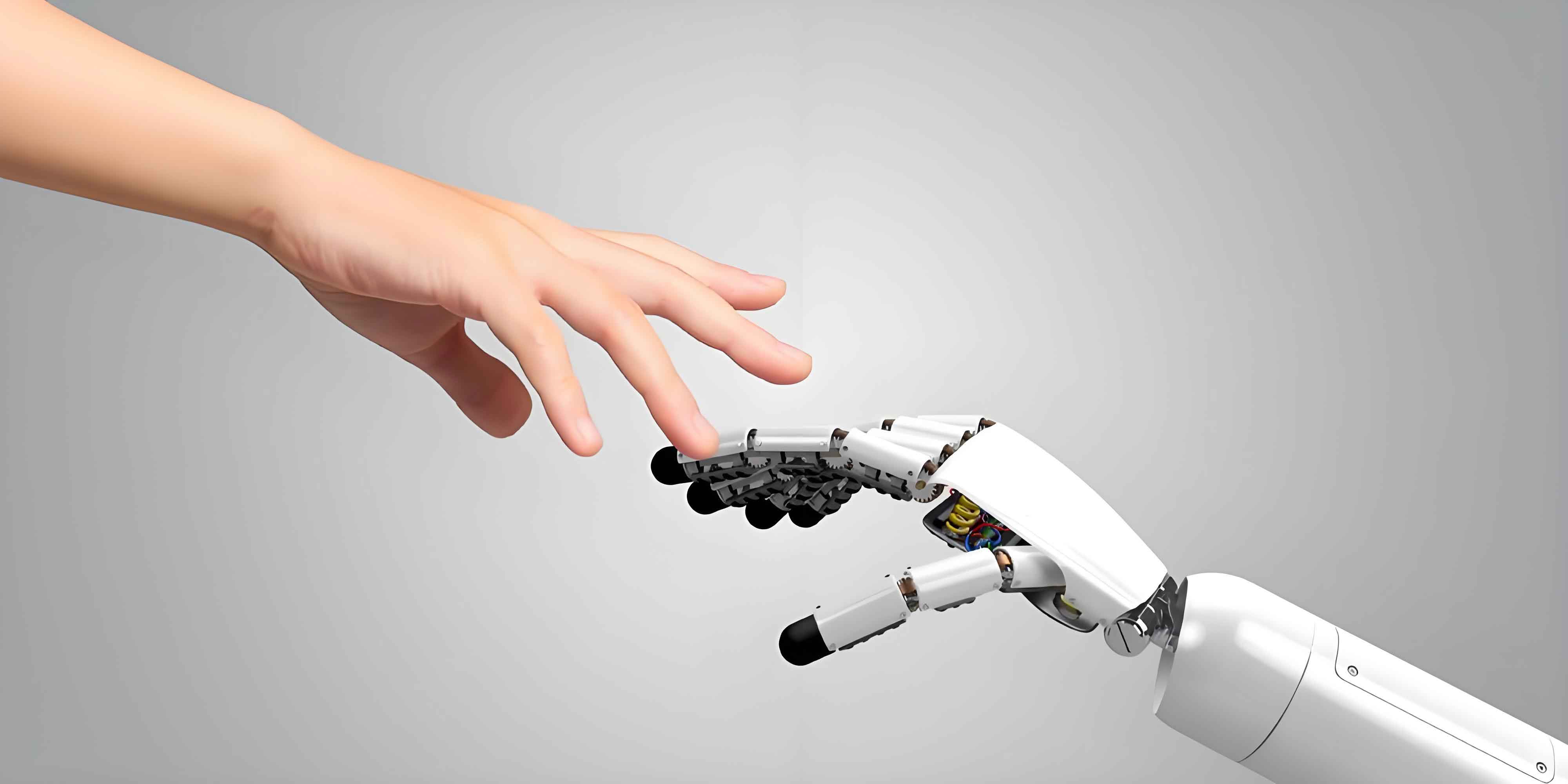
During the “2025 Embodied Intelligence Robotics Innovation and Application Development Forum” – a subsidiary event of the 25th LiJia International Smart Equipment Exhibition held on May 15 in Chongqing – industry experts, researchers, and corporate leaders convened to exchange breakthroughs and insights on embodied intelligence robotics. Discussions centered on emerging application trends and regional opportunities within the robot Industry.
1. Embodied Intelligence Robotics: Market Demand and Strategic Opportunities
Lei Lei, Deputy Secretary-General of the Robotics Branch at China Machinery Industry Federation, emphasized that embodied intelligence robotics represents a critical fusion of artificial intelligence and robotics. These systems demonstrate enhanced environmental perception and complex task execution capabilities, driving rapid adoption across industrial, logistics, and retail sectors. “The robot Industry is experiencing unprecedented growth, particularly in service robotics and intelligent manufacturing, attracting significant investment interest,” Lei noted. “Embodied intelligence solutions hold immense potential for supporting new industrialization initiatives, creating substantial market opportunities.”
Shi Weiren, Director of the Chongqing Robotics Society Committee, outlined strategic imperatives for regional development:
- Establishing integrated industry-academia-research innovation ecosystems to accelerate technological breakthroughs
- Expanding application scenarios to demonstrate real-world value across sectors
- Systematically enhancing production capabilities to cultivate new industrial growth points
Representatives from Chongqing Intelligent Robotics Institute and Chongqing Kerui Robotics advocated for Chongqing to prioritize advanced manufacturing applications before expanding into consumer domains. “Accelerating embodied intelligence deployment requires generating complete robotic products for industrial scale implementation while simultaneously creating consumer applications to establish commercial viability,” they stated. Key recommendations included:
- Optimizing the robot Industry ecosystem through enhanced public services and standardized frameworks
- Strengthening talent development and financial support mechanisms
- Promoting open-source development to lower innovation barriers
- Expanding participation across the robot Industry value chain
2. Chongqing’s Established Foundations in the robot Industry
Chongqing’s strategic commitment to the robot Industry dates back to 2011 when rising industrial demand prompted systematic planning. The 2013 “Guidelines for Promoting robot Industry Development” formally designated robotics as a strategic emerging industry. This commitment catalyzed major global investments:
- Kawasaki (Japan) established manufacturing operations in 2015
- KUKA (Germany) launched regional headquarters in 2016
- ABB (Switzerland) inaugurated application center in 2017
The 2021 “Chongqing High-Quality robot Industry Development Implementation Plan” further intensified focus on industrial robots, service robots, and certification systems. By 2024, these initiatives yielded measurable outcomes:
- Annual robot production exceeded 60,000 units
- Full industry chain valuation surpassed ¥37 billion
- Official designation as one of 18 emerging clusters within Chongqing’s “33618” modern manufacturing system
According to the Municipal Commission of Economy and Information Technology, Chongqing possesses multifaceted advantages in the robot Industry:
- AI & Software: Cloudwalk algorithms and Jialing River Laboratory’s embodied intelligence research
- Robotics Manufacturing: Local enterprises like Huashu and Qiteng Robotics, plus core component capabilities through Chongqing University’s R&D facilities
- Sensors: Electronic skin technology from Chinese Academy of Sciences and vision sensors from Zhongke Yaolu Chuan
- Computing Infrastructure: AI computing centers developed by Chongqing AI Computing Co. with Huawei and Bolaa Computing
The recent launch of Chongqing’s first 10 embodied intelligence “unveiling and commanding” projects will accelerate resource integration across the robot Industry supply chain. “Our diverse industrial applications provide ideal testing grounds for technological innovation and rapid commercialization,” stated a Commission representative.
3. Cultivating Intelligent Manufacturing Advantages Through Technological Integration
Industry consensus identifies technological convergence as critical for robot Industry advancement. At Chongqing’s March 2025 Embodied Intelligence Robotics Innovation Symposium, attended by 60 research institutions, enterprises, and financial entities, key strategies emerged.
Liao Xudong, Chairman of Kawasaki Robotics (Chongqing), advocated dual-track development: “Chongqing must simultaneously advance technological innovation and industrial application. Prioritizing industrial scenarios while focusing on embodied intelligence models will enable breakthrough growth through open-source development and accessible application environments.”
Executives from Qiteng and Huashu Robotics emphasized Chongqing’s manufacturing strengths: “Controlled industrial environments with defined tasks offer optimal implementation conditions for embodied intelligence within the robot Industry.” They highlighted synergistic opportunities with Chongqing’s intelligent connected vehicle sector, noting substantial overlaps in:
- Autonomous navigation systems
- Multimodal sensor technology
- Machine vision applications
- Shared supply chain networks
Changan Automobile’s recent “Humanoid Robot R&D Project Supplier Sourcing Announcement” exemplifies this convergence. The automaker aims to evolve from traditional vehicle production toward “intelligent automotive robots” through breakthroughs in:
- Dynamic motion control systems
- Multi-environment perception capabilities
- Adaptive drive mechanisms
As manufacturing applications increasingly synchronize with robotic technologies, Chongqing positions itself for accelerated advancement across the embodied intelligence spectrum. The ongoing alignment of industrial demand and technical innovation continues to energize the city’s strategic push within the global robot Industry landscape.