
SHENZHEN, April 25, 2025 – The Robot Full Industry Chain Fair (FAIR plus 2025) commenced at the Shenzhen Convention and Exhibition Center on April 24, marking the largest robotics achievement exhibition ever hosted in the city. With 180 robotics enterprises showcasing cutting-edge innovations, this three-day event exemplifies Shenzhen’s strategic pivot toward dominating the global Robot Industry landscape.
1. Shenzhen: An Epicenter of the Global Robot Industry
Shenzhen has solidified its position as one of China’s most vital robotics clusters, with its emerging “Robotics Valley” attracting global attention. The city hosts industry pioneers like Ubtech Robotics, dubbed the “first humanoid robotics stock,” and DJI-supported Yuejiang Technology, celebrated as the “first collaborative robotics stock.” Currently, Shenzhen boasts over 2,600 AI enterprises and 34 publicly listed robotics companies, demonstrating unparalleled industrial agglomeration. This concentration fuels innovation cycles and positions Shenzhen as a decisive player in the Robot Industry’s evolution.
The city’s commitment to the Robot Industry is reflected in its specialized industrial parks, R&D tax incentives, and cross-border technology incubators. Shenzhen’s electronics manufacturing ecosystem provides ready-made supply chains for sensor integration, precision actuators, and AI chips – critical components accelerating robotics commercialization. As supply chain synergies strengthen, Shenzhen’s Robot Industry cluster is projected to drive 30% of China’s service robotics exports by 2026.
2. Exhibition Highlights: Global Innovations in the Robot Industry
FAIR plus 2025 serves as a comprehensive platform for technology exchange across the Robot Industry value chain. Key participants include:
- Unitree Robotics: Debuted its next-generation quadruped robots with enhanced AI navigation for industrial inspections.
- BrainCo Technologies: Showcased neural-interface-controlled prosthetic limbs merging robotics with biomedical engineering.
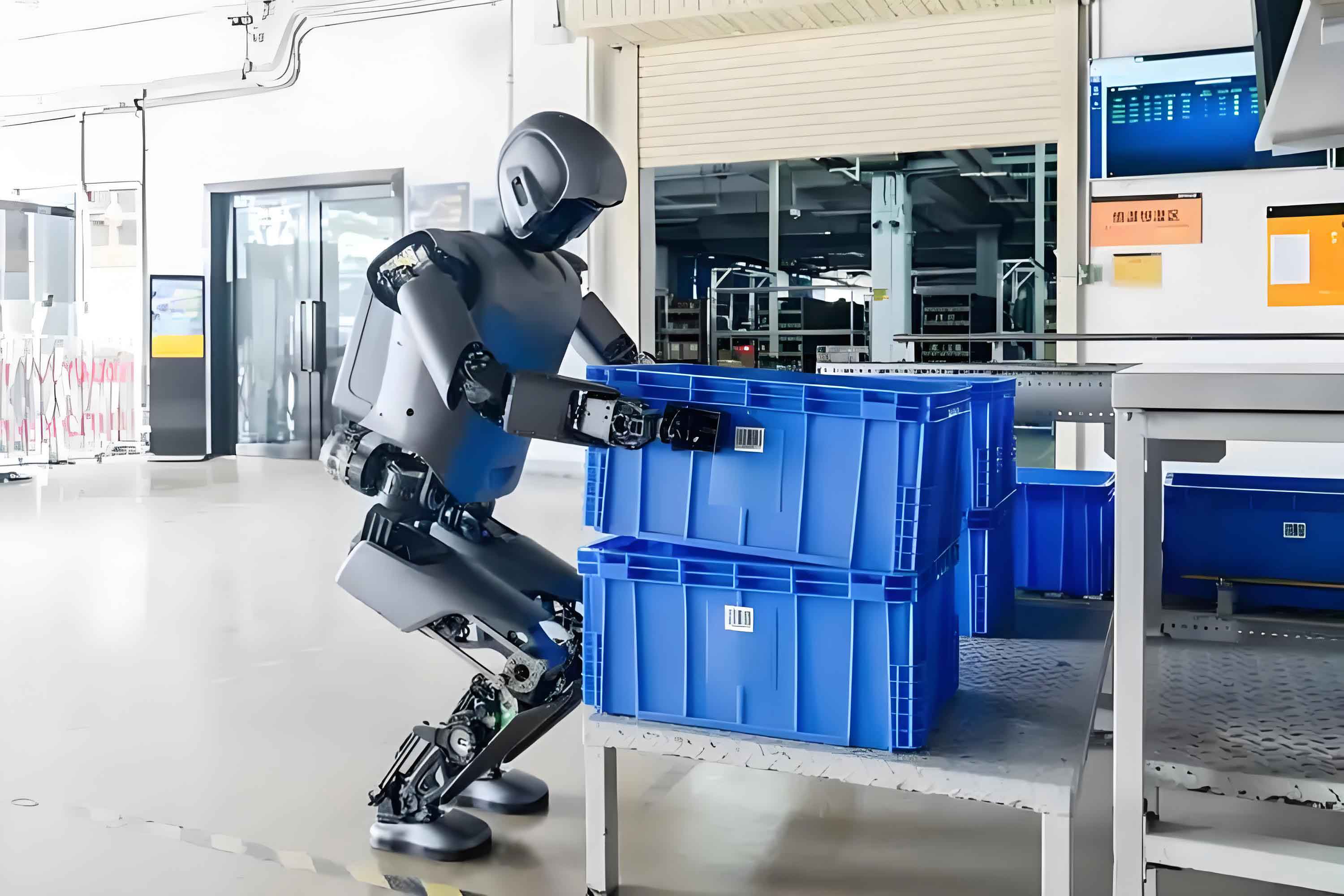
- eBots (USA): Featured industrial embodied-AI robots for automated warehouse logistics, marking significant Silicon Valley participation.
International pavilions from Japan, Germany, and South Korea highlighted collaborative robotics, surgical automation, and swarm intelligence solutions. Cross-border workshops addressed standardization challenges in the Robot Industry, including safety protocols and ethical AI frameworks. Over 50 live demonstrations illustrated real-world applications, from precision welding robots to elderly-assistance exoskeletons.
| Indicator | Value | Global Ranking |
|---|---|---|
| Robotics Enterprises | 180+ (Exhibiting at FAIR plus) | Top 5 Cluster |
| AI & Robotics Companies | 2,600+ | #1 in China |
| Listed Robotics Firms | 34 | #3 Worldwide |
3. Complementary Synergies: Reinforcing the Robot Industry Chain
The fair’s core theme – “Complementary, Interconnected, Mutual Learning” – underpins strategies to eliminate bottlenecks in the Robot Industry. Hardware manufacturers collaborated with AI startups to integrate machine vision and edge computing into modular robotics platforms. Panel discussions emphasized:
- Component Standardization: Reducing costs through shared servo motor and battery specifications.
- Open-Source Software: Accelerating development via shared ROS (Robot Operating System) modules.
- Talent Circulation: Cross-company engineer exchange programs to address skill gaps.
Korean robotics firm Neuromeka signed memoranda with Shenzhen-based LIMX for joint actuator production, while European chipmaker NXP established a co-innovation lab with local AI institutes. These partnerships exemplify how interconnected supply chains fortify the global Robot Industry against geopolitical disruptions.
4. Scene-Based Applications: Bridging the Robot Industry and Markets
Over 20 embodied-scenario matchmaking sessions connected robotics developers with end-users across sectors:
- Intelligent Manufacturing: Automotive suppliers demonstrated collaborative robots (cobots) operating alongside human workers on assembly lines, reducing ergonomic injuries by 40%.
- Smart Wellness: Nursing homes tested fall-detection robots and AI companions addressing caregiver shortages amid aging populations.
- Intelligent Campus: University delegates explored campus-patrol robots with thermal scanning and emergency response capabilities.
- Commercial Services: Retail giants piloted inventory-management robots using RFID and real-time analytics.
These sessions generated 120+ Letters of Intent, signaling rapid technology adoption. Industry analysts noted that such application-focused dialogues are critical for maturing the Robot Industry beyond prototypes into scalable solutions.
5. Shenzhen’s Strategic Advantages in the Robot Industry
Shenzhen’s rise within the Robot Industry stems from four pillars:
- Innovation Infrastructure: 72 robotics R&D centers and 15 state-key laboratories.
- Policy Catalysts: Municipal funding for robotics startups exceeding $1.5 billion since 2023.
- Talent Density: 45% of China’s robotics PhD graduates relocate to Shenzhen annually.
- Supply Chain Depth: 90% of robotic components sourced within 50km.
These advantages enable rapid prototyping-to-production cycles. For example, Ubtech Robotics reduced humanoid robot development time by 60% using local AI accelerators and motor suppliers. The city’s “Robotics 2030” initiative further allocates $5 billion toward human-AI interaction research, reinforcing Shenzhen’s Robot Industry leadership.
6. Future Trajectory: Navigating the Robot Industry’s Blue Ocean
FAIR plus 2025 concluded with the “Shenzhen Consensus,” a roadmap for global Robot Industry collaboration focusing on:
- Establishing international robotics certification standards by 2026.
- Creating a $200 million cross-border investment fund for embodied AI startups.
- Launching annual robotics skill Olympics to cultivate next-gen engineers.
As cities worldwide vie for Robot Industry dominance, Shenzhen’s integrated ecosystem – blending manufacturing prowess with software innovation – offers a replicable model. With global service robotics demand projected to reach $100 billion by 2027, the synergies showcased at FAIR plus 2025 underscore how complementarity, interconnection, and mutual learning will define the next frontier of the Robot Industry.