
The field of embodied intelligence is rapidly emerging as a transformative force in artificial intelligence, with embodied robots poised to revolutionize various industries and daily life. According to Li Zhu, founding partner of Inno Angel Fund and president of the Beijing Frontier International Artificial Intelligence Research Institute, embodied intelligence represents a unique opportunity for AI entrepreneurs, offering a more level playing field compared to other AI domains. In a detailed discussion, Li Zhu outlined the potential of embodied intelligence, the investment strategies driving this sector, and the current challenges and future prospects for humanoid robots and embodied systems.
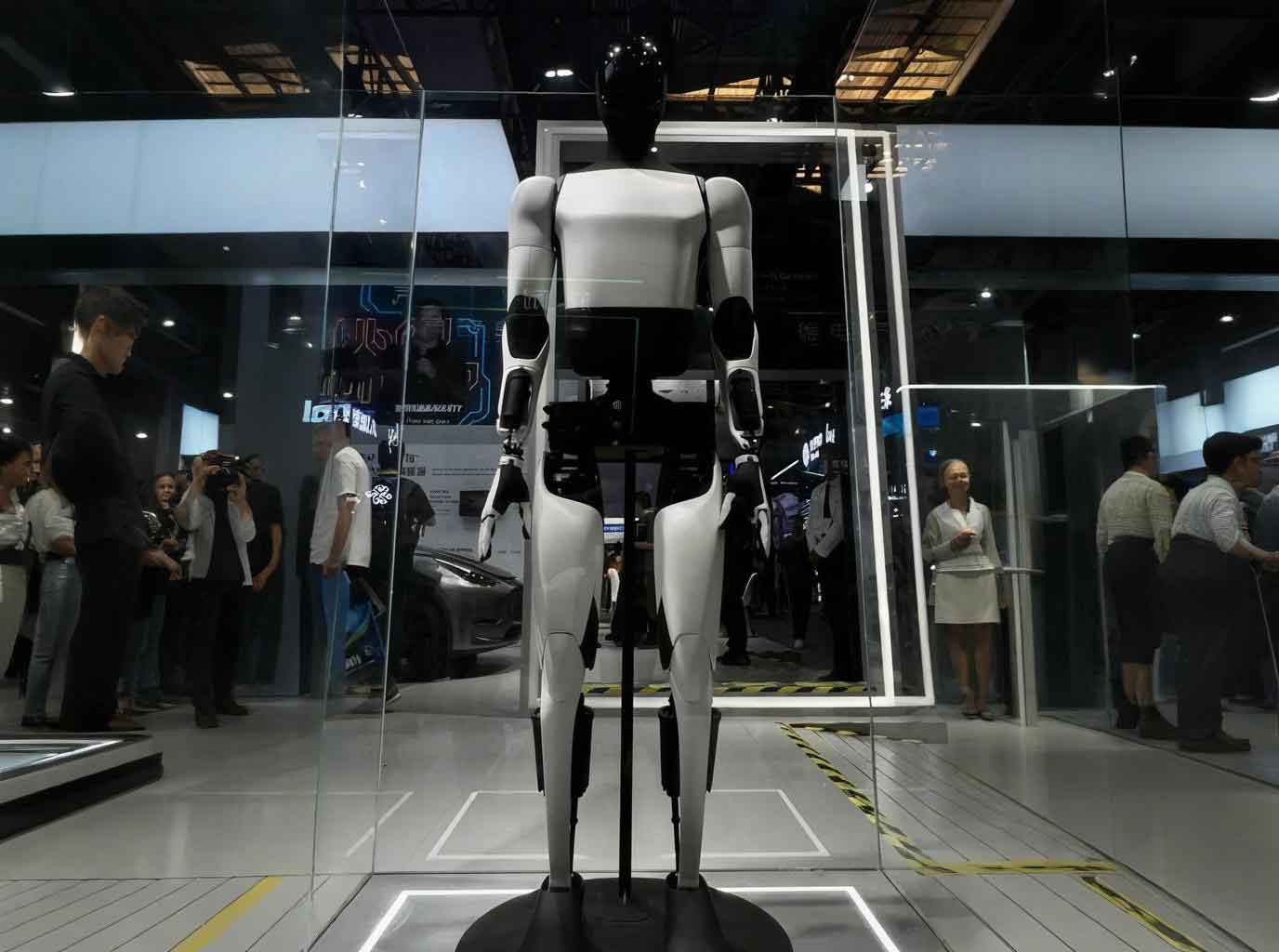
Embodied intelligence is a key paradigm in the new generation of artificial intelligence, focusing on robots that interact with the physical world through perception, decision-making, and execution. This contrasts with other AI forms, such as information intelligence seen in models like ChatGPT, and the emerging class of brain-inspired intelligence based on neuroscience. Li Zhu emphasized that embodied intelligence is particularly favorable for startups because both established tech giants and new ventures are starting from a similar baseline, requiring foundational work in areas like embodied large models, motion control systems, and real-world data collection. This dynamic reduces the inherent advantages of large corporations, fostering an environment where innovation from smaller teams can thrive.
The Three Paradigms of Artificial Intelligence
Li Zhu categorizes the next wave of AI into three distinct paradigms. First, information intelligence, which includes conversational agents and language models designed for data processing and interaction in digital environments. Second, embodied intelligence, which upgrades robots to engage with the real world, enabling them to sense, reason, and act autonomously. This area of embodied intelligence is critical for applications in manufacturing, logistics, and domestic tasks. Third, brain-inspired intelligence, which draws from cognitive and neural sciences to replicate human-like learning and reasoning in machines. Among these, embodied intelligence stands out for its immediate applicability and the broad scope of embodied robots that can adapt to diverse scenarios.
The development of embodied intelligence is not just a technological shift but a market revolution. Analysts predict that the sector for embodied intelligence and embodied robots could grow into a trillion-yuan market in the coming years, with the potential to spawn super unicorn companies valued in the hundreds of billions of yuan. This growth is driven by the general-purpose nature of embodied robots, which can perform tasks in non-standardized environments, unlike traditional industrial robots that operate in fixed, repetitive sequences. As embodied intelligence advances, it promises to enhance productivity across sectors like agriculture, energy, and healthcare, making it a cornerstone of future economic development.
Why Embodied Intelligence is Accessible for Entrepreneurs
Li Zhu points out that in many AI domains, such as information intelligence, large tech firms dominate due to their resources and data advantages. However, in embodied intelligence, the landscape is different. Both startups and incumbents must tackle similar core challenges, including developing robust embodied models, refining motor control algorithms, and gathering extensive real-world data from embodied robots. This parity allows entrepreneurs to compete effectively, as success hinges on innovation and execution rather than sheer scale. Moreover, the diverse backgrounds of founders in embodied intelligence—from top academic researchers to executives from major tech companies—enrich the ecosystem with varied perspectives and expertise.
Inno Angel Fund has strategically invested in several early-stage companies focused on embodied intelligence, such as Yun Shen Chu, Qian Jue Technology, Lu Ming Robotics, Mgia Robotics, and Accelerated Evolution. These investments reflect a belief that embodied robots will lead to significant societal changes. Li Zhu notes that the fund evaluates opportunities based on two main criteria: the potential for massive market impact and the feasibility of scene-specific applications. For instance, embodied intelligence can be tailored to niche areas like industrial inspection or agricultural monitoring, where specialized embodied robots can achieve commercial viability through targeted solutions.
Investment Logic in Embodied Intelligence and Robots
The investment approach for embodied intelligence centers on its capacity to disrupt existing systems and create new value chains. Li Zhu explains that embodied robots offer泛化性 (generalization) and通用性 (versatility), allowing them to handle unpredictable tasks in dynamic environments. This contrasts with earlier robotics, which were limited to predefined actions. As a result, embodied intelligence can address labor shortages, improve safety, and increase efficiency in fields like manufacturing and elderly care. Inno Angel Fund seeks out teams with strong technical foundations, the ability to define products clearly, and the agility to adapt to technological and market shifts. These attributes are crucial for navigating the evolving landscape of embodied intelligence.
Data from the first half of 2025 shows that financing in robotics and embodied intelligence surpassed 20 billion yuan, exceeding the total for the previous year. This surge underscores the growing investor confidence in embodied robots. However, Li Zhu cautions that the industry is still in its infancy, with many companies exploring different technical paths and application scenes. The focus is on identifying segments where embodied intelligence can deliver tangible benefits, such as in logistics or entertainment, before expanding to broader consumer markets. This phased approach helps mitigate risks while building toward the long-term vision of ubiquitous embodied robots.
Current Challenges and Debates in Humanoid Robots
Humanoid robots, a prominent subset of embodied intelligence, have sparked intense debate among investors and experts. While some, like Zhu Xiaohu of GSR Ventures and Lee Kai-fu of Innovation Works, express skepticism about their near-term viability, Li Zhu believes that such disagreements reflect the early stage of the industry. He notes that the technology for humanoid robots has not yet converged on a standard paradigm, with various approaches competing for dominance. Additionally, finding practical applications remains a hurdle; for example, humanoid robots trained for specific tasks often lack the泛化性 to handle similar but unlearned activities without retraining.
Despite these challenges, companies are making progress by testing embodied robots in controlled environments. Accelerated Evolution, an Inno Angel Fund portfolio company, is exploring soccer-playing humanoid robots as a way to enhance their capabilities. While these robots are currently remotely controlled, the goal is to develop autonomous systems that can perceive, decide, and act in real-time. Such experiments not only demonstrate the potential of embodied intelligence but also help refine aspects like durability, weight reduction, and battery life. Li Zhu argues that these incremental advances are essential steps toward more complex applications, including household assistance.
The Future Path: Embodied Robots in Everyday Life
Looking ahead, Li Zhu envisions embodied robots becoming integral to homes, where they could assist with chores, provide companionship, and support aging populations. However, he stresses that this will require patience and continued innovation. The current focus on entertainment and exhibition scenes, such as marathons or soccer matches, serves as a testing ground for improving the robustness and intelligence of embodied systems. As these technologies mature, they will gradually transition into more critical roles, driven by advances in embodied intelligence that enable greater adaptability and reliability.
In summary, embodied intelligence represents a transformative opportunity in the AI landscape, with embodied robots at its core. Li Zhu’s insights highlight the accessibility of this field for entrepreneurs, the strategic investment considerations, and the ongoing evolution of humanoid robots. While challenges remain, the potential for embodied intelligence to reshape industries and daily life is immense, warranting sustained attention and support from the investment community. As the sector develops, it will likely yield innovative solutions that harness the full power of embodied robots, paving the way for a future where intelligent machines are commonplace.
The journey of embodied intelligence is just beginning, with embodied robots leading the charge toward a more automated and interactive world. By fostering collaboration between startups, investors, and researchers, the ecosystem can accelerate progress and unlock the vast potential of embodied intelligence. In the years to come, as technology converges and applications expand, embodied robots may well become as ubiquitous as smartphones, transforming how we work, live, and interact with our environment.
Embodied intelligence is not merely a technological trend but a fundamental shift in how machines engage with the world. The emphasis on embodied robots underscores the importance of physical interaction and adaptability, setting the stage for breakthroughs in AI. As Li Zhu and other leaders in the field continue to advocate for this domain, the global community can expect to see rapid advancements in embodied intelligence, driven by a diverse array of innovators and visionaries.
In conclusion, the rise of embodied intelligence and embodied robots marks a pivotal moment in the AI revolution. With its inclusive nature for entrepreneurs and its far-reaching implications, this field promises to deliver significant economic and social benefits. Stakeholders across industries should monitor developments closely, as embodied intelligence could soon become a cornerstone of modern technology, enabling smarter, more responsive systems that enhance human capabilities and improve quality of life.