
In an unprecedented display of technological prowess, the world’s first humanoid robot sports meet was held in Beijing, drawing widespread attention from across the globe. This landmark event featured 280 teams from 16 countries spanning five continents, with over 500 humanoid robots participating in 26 major categories and 538 sub-events at the National Speed Skating Oval. More than just a competition, this gathering symbolized a pivotal step in the evolution of humanoid robot technology, moving it from isolated laboratories into the realm of everyday life. It acted as a powerful catalyst for industrial innovation, effectively translating complex technical language into accessible opportunities that appeal to investors and policymakers alike. The humanoid robot sports meet not only highlighted current capabilities but also set the stage for future advancements, demonstrating how such events can accelerate the integration of humanoid robot systems into various sectors.
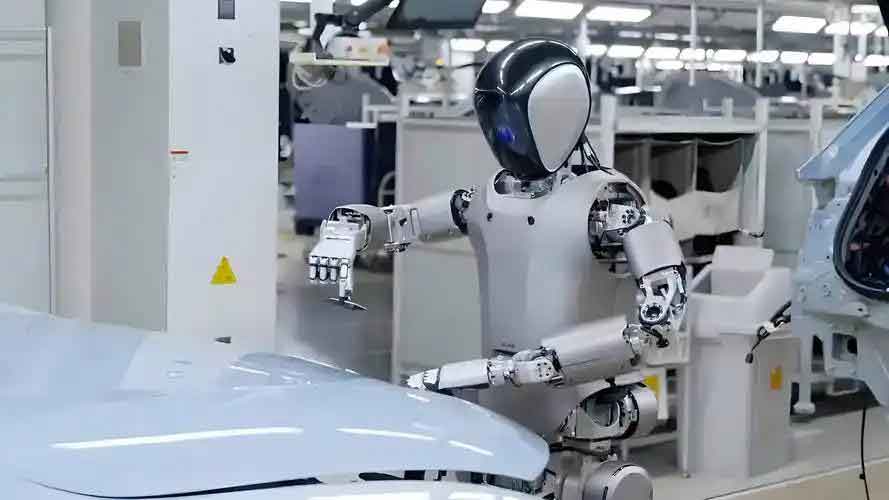
The humanoid robot sports meet served as a comprehensive platform for showcasing the latest developments in humanoid robot technology, emphasizing its potential to reshape industries and society. With participants ranging from academic institutions to corporate giants, the event underscored the growing importance of humanoid robot innovations in driving economic growth and technological progress. As humanoid robot designs become more sophisticated, events like this provide a unique opportunity to evaluate their real-world applications, from manufacturing to healthcare. The humanoid robot competitions were designed to test a wide array of functions, including mobility, decision-making, and interaction, all critical for the future deployment of humanoid robot systems. This article delves into the multifaceted impacts of the humanoid robot sports meet, exploring its technical, industrial, and social dimensions, and why such initiatives are essential for propelling humanoid robot technology into the mainstream.
-
Technical Exchange and Validation Platform for Humanoid Robot Advancements
The humanoid robot sports meet offered an exceptional arena for technical exchange and validation, highlighting the cutting-edge trends in global technology. Humanoid robots, distinct from traditional robots that depend on mechanical engineering and automated control, are built around artificial intelligence and deep learning frameworks. These humanoid robot systems exhibit autonomous decision-making and adaptive capabilities, enabling a seamless fusion of perception, action, and cognition. However, the technology behind humanoid robots remains in its early stages, and the sports meet provided a vital testing ground for researchers and developers to assess their progress. In the dynamic and unpredictable environment of competitive sports, humanoid robots were required to demonstrate proficiency in sensor recognition, motion control, and path planning, among other skills. This exposure quickly revealed technical shortcomings, offering clear guidance for refinements in areas such as mechanical design, AI algorithms, optical systems, sensor technology, and material science. The iterative process fostered by such events accelerates the overall development of humanoid robot technology, ensuring that each generation of humanoid robot becomes more efficient, reliable, and capable of handling complex tasks.
Moreover, the humanoid robot sports meet facilitated cross-disciplinary collaboration, bringing together experts from fields like robotics, computer science, and biomechanics. For instance, the integration of advanced sensors in humanoid robot designs allows for better environmental interaction, while improvements in materials enhance durability and energy efficiency. The competitive setting pushed the boundaries of what humanoid robot systems can achieve, with events ranging from sprinting and weightlifting to more intricate tasks like obstacle navigation and team relays. Each challenge was designed to evaluate specific aspects of humanoid robot performance, such as balance, agility, and real-time processing. This comprehensive assessment not only drives innovation but also helps standardize benchmarks for the humanoid robot industry, ensuring that future developments are grounded in practical, validated outcomes. As humanoid robot technology evolves, such platforms will be crucial for bridging the gap between theoretical research and real-world deployment, making the humanoid robot a more integral part of our daily lives.
-
Industrial Barometer and Ecosystem Development for Humanoid Robot Integration
From an industrial perspective, the humanoid robot sports meet acted as a significant indicator of global trends and ecosystem maturity in the humanoid robot sector. The event attracted 192 university teams, including top institutions like Tsinghua University and Peking University, alongside 88 enterprise teams from leading humanoid robot manufacturers such as Tiangong, Yushu Technology, and Accelerated Evolution. This convergence created a dense cluster of technology, talent, and capital, highlighting the humanoid robot industry’s rapid growth and potential. The competitions went beyond evaluating individual humanoid robot models; they tested the entire ecosystem, including the quality of algorithms, the stability of hardware supply chains, and the efficiency of maintenance and support services. This holistic approach encourages continuous improvement across the industrial chain, boosting the overall maturity of the humanoid robot market and making it more attractive for large-scale investments and partnerships.
Investors and government officials gained valuable insights from the humanoid robot sports meet, observing firsthand the practical applications and market readiness of humanoid robot technology. For example, the visibility of events like the Yizhuang Humanoid Robot Marathon led to increased interest in products such as the Songyan Power N2 humanoid robot, which subsequently received over 2,000 orders. This demonstrates how such showcases can translate into tangible business opportunities, driving demand for humanoid robot solutions in sectors like logistics, healthcare, and entertainment. Additionally, the humanoid robot sports meet provided a platform for policymakers to gauge industry dynamics, enabling them to craft targeted policies that support innovation, such as funding for research and development or incentives for humanoid robot adoption. As the humanoid robot ecosystem expands, events like this will play a key role in fostering collaboration between startups, established companies, and academic institutions, ensuring that the humanoid robot industry remains competitive and responsive to global challenges.
-
Bridging the Gap with the Public through Humanoid Robot Engagement
The humanoid robot sports meet served as a powerful bridge between advanced technology and the general public, making the capabilities of humanoid robot systems more accessible and understandable. Unlike annual robot exhibitions that often focus on static displays, this sports meet brought together teams from 16 countries for live, competitive events that captured the imagination of audiences worldwide. From a communication standpoint, sports meets are highly effective public narratives, as they use familiar formats like athletics and team competitions to convey complex ideas. This approach allows people to quickly grasp what humanoid robot technology can achieve, from performing physical tasks to adapting to changing environments. By watching humanoid robot athletes compete, ordinary viewers could appreciate the progress in humanoid robot development, fostering a sense of excitement and optimism about future applications.
Furthermore, the humanoid robot sports meet had a profound impact on education and talent development, inspiring a new generation to pursue careers in robotics and AI. The competitive atmosphere and recognition associated with the events provided a platform for young innovators to showcase their skills, encouraging more students to engage with humanoid robot research and development. This influx of talent is essential for sustaining the growth of the humanoid robot industry, as it brings fresh perspectives and drives continuous innovation. As public awareness and acceptance of humanoid robot technology increase, market demand for related products is likely to surge, leading to exponential growth in orders and adoption. Ultimately, the humanoid robot sports meet not only demystified technology but also cultivated a culture of innovation, ensuring that humanoid robot systems become a integral part of society’s future.
In summary, the humanoid robot sports meet in Beijing was far more than a series of competitions; it was a transformative event that highlighted the immense potential of humanoid robot technology. By providing a platform for technical validation, industrial collaboration, and public engagement, the meet accelerated the journey of humanoid robot systems from labs to mainstream markets. The insights gained from this gathering will undoubtedly shape the future of humanoid robot development, driving advancements that benefit various industries and society as a whole. As the humanoid robot industry continues to evolve, such initiatives will remain crucial for fostering innovation, attracting investment, and ensuring that humanoid robot technology reaches its full potential in improving human lives.
The success of the humanoid robot sports meet underscores the importance of competitive events in driving technological progress. Historically, competitions have been catalysts for innovation, and this humanoid robot meet is no exception. It not only showcased the current state of humanoid robot capabilities but also set the stage for future breakthroughs, encouraging stakeholders to invest in research and development. The humanoid robot sector is poised for significant growth, and events like this will help maintain momentum, ensuring that humanoid robot systems become more advanced, affordable, and widely adopted. In the coming years, we can expect to see humanoid robot technology integrated into more aspects of daily life, from household assistants to industrial workers, all thanks to the foundations laid by such pioneering gatherings.
Looking ahead, the humanoid robot sports meet could become a regular fixture on the global calendar, similar to major sporting events, further promoting the humanoid robot industry. This would provide ongoing opportunities for collaboration, learning, and innovation, helping to address challenges such as scalability, cost-effectiveness, and ethical considerations. The humanoid robot community is already buzzing with ideas for future events, including more diverse competitions and international partnerships. As humanoid robot technology becomes more prevalent, it will be essential to continue fostering public understanding and support, ensuring that the benefits of humanoid robot advancements are shared broadly across society. The Beijing humanoid robot sports meet has set a high standard, and its legacy will inspire similar initiatives worldwide, driving the humanoid robot revolution forward.