
Seres Group has intensified its strategic initiatives in the humanoid robot sector, signaling a clear roadmap for its expansion into this emerging field. Recent corporate maneuvers and recruitment activities demonstrate the automaker’s accelerating efforts to establish technological capabilities in embodied intelligence and humanoid robotics.
- Strategic Framework Takes ShapeOn March 31, Seres established Beijing Seres-Aero Embodied Intelligence Technology Co., Ltd. through a joint venture with Beihang University. The entity, registered with ¥50 million capital, is 70% owned by Seres subsidiary Chongqing Phoenix Technology Co. This development followed Seres’ March 22 announcement of doctoral positions for “Embodied Intelligence Large Model Engineers” requiring expertise in applying multimodal data to robotics scenarios.Since late 2023, industry sources have consistently reported Seres’ preparations for humanoid robot development. Though the company formally denied “joint humanoid robot partnerships” in November 2024, it simultaneously acknowledged “exploring cutting-edge technologies” beyond its core electric vehicle business. Recruitment platforms reveal multiple technical postings throughout 2024, including Embodied Intelligence Control Engineers and Robotics Product Managers concentrated at Seres’ Chongqing R&D base.Concurrent capital and brand activities include December 2023’s establishment of Chongqing Seres Phoenix Intelligence Innovation Technology (¥1.22 billion registered capital) for robotics operations. The company filed the “ROBOREX” trademark in September 2024, securing approval by October. These systematic moves culminate in the recent Beihang University collaboration targeting “intelligent robot R&D, sales, and service-oriented consumer robot manufacturing.”
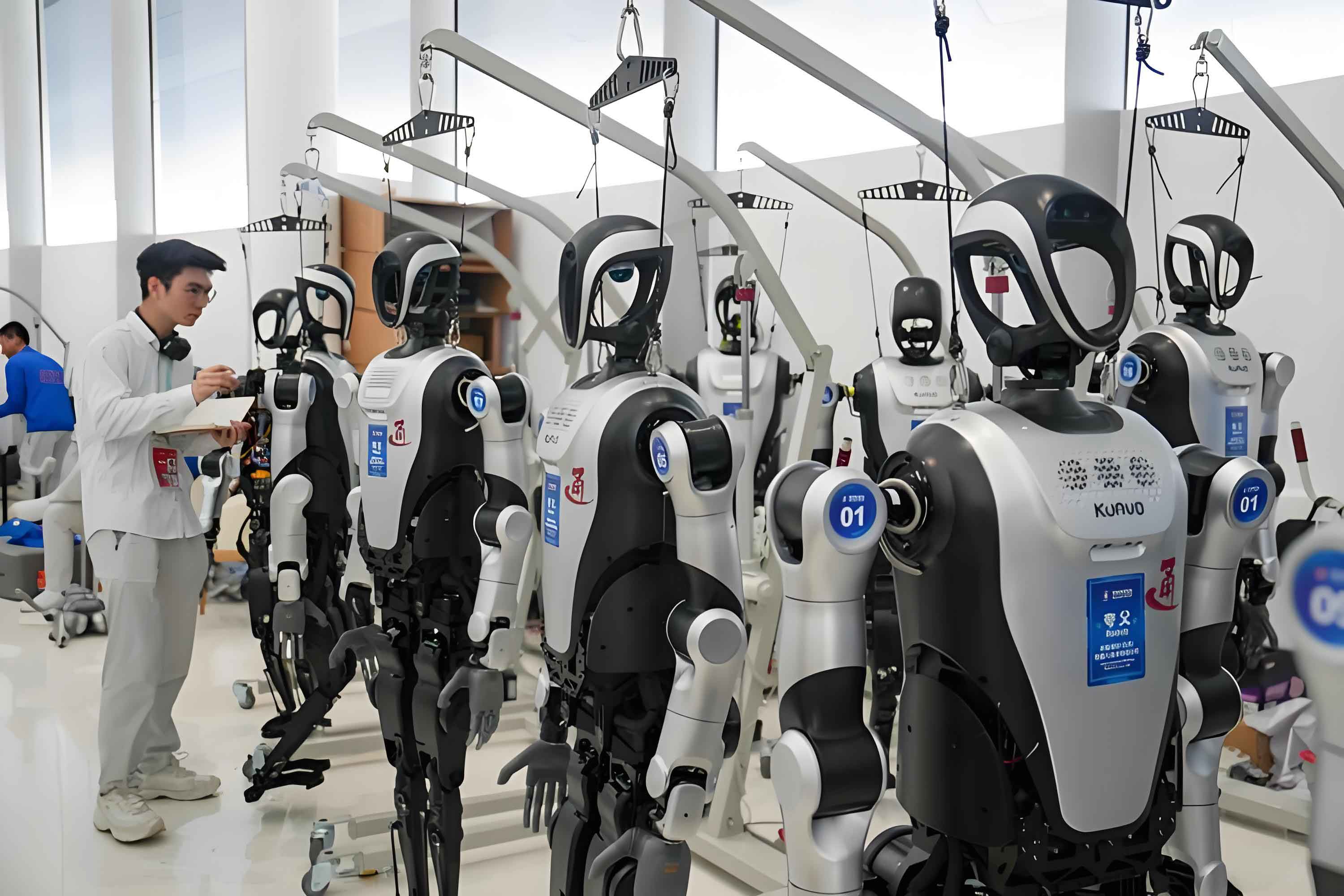
- Expert Perspectives: Strategic RationaleZhou Di, robotics expert and member of the Ministry of Science and Technology’s National Expert Database, observes: “Seres’ entry into the humanoid robot domain aligns with automakers’ pursuit of differentiation amid intensifying EV competition. Humanoid robots represent a convergence of hardware and AI that shares core technologies with electric vehicles across perception systems, control algorithms, and power systems.”Industry analyst Hong Shibin emphasizes the strategic necessity: “Humanoid robot technology constitutes a critical future component for smart vehicles, enhancing intelligent driving and interactive experiences. This expansion simultaneously opens cross-industrial opportunities in smart manufacturing and domestic services.” He notes that humanoid robot development could strengthen Seres’ technological moat in EVs while enabling business model transformation from automaker to comprehensive technology provider.Both experts highlight the synergy potential: humanoid robots could augment Seres’ intelligent vehicle ecosystem, strengthen its technological branding, and create new revenue streams. Zhou adds, “Early integration of humanoid robot and automotive technologies may deliver competitive advantages as traditional manufacturers accelerate smart transitions.”
- Automakers Accelerate Humanoid Robot DevelopmentThe automotive industry’s humanoid robot race intensified throughout 2024 as manufacturers sought technological differentiation. Changan Automobile publicly solicited suppliers for its humanoid robot project on March 18, focusing on propulsion, dynamic control, and multimodal perception technologies. This follows Changan’s November 2024 announcement of ¥50+ billion investments across aerial mobility and humanoid robots, targeting market-ready humanoid robots by 2027.GAC Group adopted an incremental approach with its third-generation “GoMate” humanoid robot. The company plans proprietary component mass production by 2025 and limited whole-unit assembly by 2026. Initial deployments will occur across GAC’s production facilities and industrial parks, serving as testbeds for manufacturing applications.XPeng leverages autonomous driving expertise for its “IRON” humanoid robot project. Chairman He Xiaopeng aims to adapt L3 autonomous driving technologies and world models to industrial humanoid robots, targeting mass production by 2026.Alternative approaches include BYD, Geely, and Lynk & Co’s collaborations with humanoid robot specialist Ubtech. The automakers are implementing Ubtech’s Walker S industrial models for single-unit autonomous operations, progressing toward multi-unit coordination and accelerated iteration through data accumulation.
Despite vigorous corporate commitments, significant commercialization hurdles remain for humanoid robots. These complex systems require breakthroughs across artificial intelligence, mechanical engineering, and sensory control before achieving widespread industrial or consumer adoption. As manufacturers like Seres navigate this technological frontier, their capacity to translate ambition into viable products will determine success in the emerging humanoid robot landscape.