
BEIJING — The Ice Ribbon Embodied Intelligence Innovation Workshop has been unveiled at the National Speed Skating Oval, known as the Ice Ribbon, marking a new step in the effort to connect embodied intelligence research, real-world testing, supply chain coordination, and market application. The first batch of five ecosystem enterprises has been approved to move into the workshop, according to the announcement. The workshop is jointly established by the Zhongguancun Chaoyang Park Management Committee, Beiao Group, Olympic Village Subdistrict, and Chaobei Science and Technology Services. It relies on the Ice Ribbon, a landmark venue of the Winter Olympics legacy, and uses the World Humanoid Robot Games as an ecological engine. The workshop focuses on technology validation, scenario testing, commercialization of results, supply chain collaboration, and enterprise incubation. Its aim is to build an embodied intelligence industry innovation platform that links technology, scenarios, supply chain, and market.
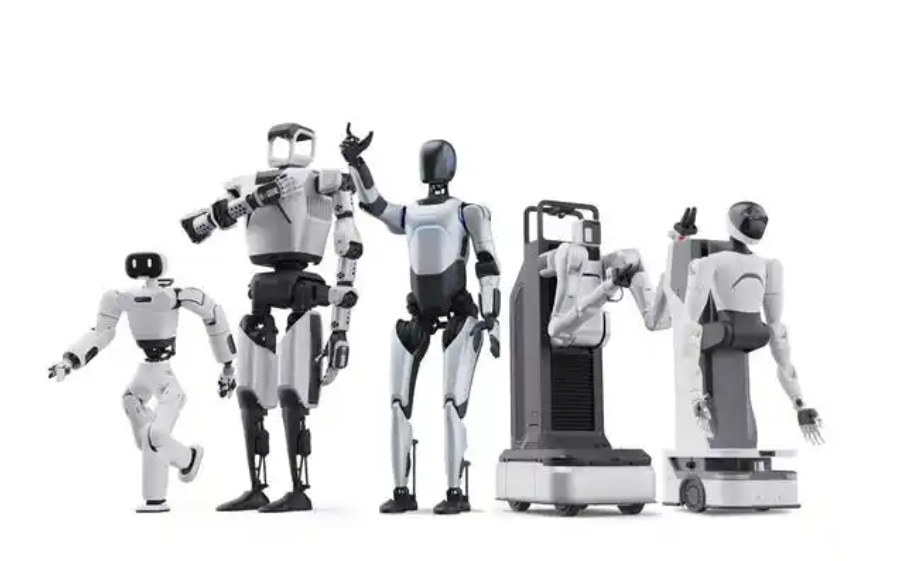
- A Winter Olympics Legacy Venue Becomes an Embodied Intelligence Testing Ground
The decision to place the Ice Ribbon Embodied Intelligence Innovation Workshop at the National Speed Skating Oval gives the venue a new role in the development of embodied intelligence. The Ice Ribbon is already a recognizable symbol of the Winter Olympics legacy. By turning part of its space into a working platform for embodied intelligence, the initiative seeks to transform a sports landmark into a living laboratory for robotics, automation, and intelligent physical systems. The announcement states that the workshop is supported by four co-builders and that the first five ecosystem enterprises have been approved to move in. For the embodied intelligence sector, this combination of venue, partners, and enterprises is significant because embodied intelligence needs more than algorithms and simulation. It needs physical environments where machines can perceive, move, manipulate, and interact with people and objects. The Ice Ribbon workshop is designed to provide exactly that kind of environment for embodied intelligence development and validation.
The use of the Ice Ribbon also reflects a broader trend in which major event venues are repurposed for technology innovation. The workshop does not simply occupy space; it connects the legacy of the Winter Olympics with the emerging needs of embodied intelligence. The National Speed Skating Oval is known for its distinctive design and its role during the Games. In its new function, it can host testing activities that require controlled but realistic settings. The workshop’s connection to the World Humanoid Robot Games further strengthens its position as an ecosystem engine for embodied intelligence. The Games can attract attention, participants, and technical exchange, while the workshop can provide a year-round base for testing, incubation, and supply chain collaboration. In this way, the Ice Ribbon becomes a bridge between public events and long-term embodied intelligence industry development.
- Four Partners and Five Inaugural Ecosystem Enterprises
The Ice Ribbon Embodied Intelligence Innovation Workshop is jointly built by the Zhongguancun Chaoyang Park Management Committee, Beiao Group, Olympic Village Subdistrict, and Chaobei Science and Technology Services. This four-party structure suggests that the initiative is not only a technical project but also a coordinated effort involving park administration, venue operations, local governance, and technology services. For embodied intelligence, such coordination matters because deployment often crosses the boundaries of laboratories, public spaces, commercial venues, and community environments. The first batch of five ecosystem enterprises has been approved to move in, according to the announcement. These enterprises are expected to participate in the workshop’s activities, although the announcement does not list their names. Their presence indicates that the platform is already moving from concept to occupancy, with the first phase of the R&D laboratory fully occupied.
The involvement of five ecosystem enterprises is important for embodied intelligence because early tenants can help define the practical needs of the industry. They can test components, integrate systems, collect feedback, and work with supply chain partners. The workshop’s four co-builders can provide different forms of support. The Zhongguancun Chaoyang Park Management Committee can help connect the initiative with innovation policies and industrial resources. Beiao Group can contribute venue and operational knowledge related to the Ice Ribbon and the Olympic area. Olympic Village Subdistrict can help link the workshop with local urban scenarios and community services. Chaobei Science and Technology Services can support technology services, enterprise services, and commercialization pathways. Together, these partners create a foundation for embodied intelligence collaboration that extends beyond a single laboratory.
Key facts about the Ice Ribbon Embodied Intelligence Innovation Workshop Category Announced Detail Name Ice Ribbon Embodied Intelligence Innovation Workshop Location National Speed Skating Oval, known as the Ice Ribbon Joint builders Zhongguancun Chaoyang Park Management Committee, Beiao Group, Olympic Village Subdistrict, and Chaobei Science and Technology Services Inaugural occupants First batch of five ecosystem enterprises approved to move in Ecological engine World Humanoid Robot Games Core focus Technology validation, scenario testing, commercialization of results, supply chain collaboration, and enterprise incubation Platform goal Connect technology, scenarios, supply chain, and market for embodied intelligence Functional zones Shared exchange area, obstacle testing area, scenario testing area, R&D laboratory, and results exhibition area Current status First-phase R&D laboratory fully occupied Future expansion More real-world scenarios in the Olympic Center area; Hall Five, Hall Three, and other competition and training facilities to open to resident enterprises; hotels, shopping malls, and parks to be linked into a complete ecological chain - Core Mission: Turning Embodied Intelligence Concepts into Validated Systems
The workshop’s stated focus areas are technology validation, scenario testing, commercialization of results, supply chain collaboration, and enterprise incubation. Together, these five areas describe a pipeline for embodied intelligence development. Technology validation helps determine whether a system works under expected conditions. Scenario testing examines whether it can operate in realistic environments. Commercialization of results helps move prototypes toward marketable products. Supply chain collaboration ensures that components, subsystems, and services can be produced and integrated. Enterprise incubation supports teams as they grow from early projects into sustainable businesses. For embodied intelligence, this pipeline is especially important because the field combines artificial intelligence, mechanical design, sensors, control systems, human-machine interaction, and software integration. A single breakthrough in one area is rarely enough. Embodied intelligence systems must work as complete physical agents.
The workshop’s goal of connecting technology, scenarios, supply chain, and market reflects the reality that embodied intelligence cannot develop in isolation. A robot or intelligent machine may perform well in a controlled laboratory, but it can encounter unexpected lighting, uneven floors, moving people, unfamiliar objects, and changing task requirements in the real world. The workshop’s scenario testing area is designed to introduce such complexity in a controlled way. By allowing companies to test retail shelves, guest room service counters, pharmacy cabinets, and conference office desks, the platform creates opportunities to observe how embodied intelligence systems handle everyday tasks. If companies need to test screwing or parcel opening, the workshop can modify the setup. This flexibility is central to the mission of embodied intelligence validation.
- Five Functional Zones Support the Embodied Intelligence Workflow
The workshop is divided into five functional zones: a shared exchange area, an obstacle testing area, a scenario testing area, an R&D laboratory, and a results exhibition area. Each zone corresponds to a different stage or form of embodied intelligence work. The shared exchange area can support communication among enterprises, researchers, partners, and visitors. The obstacle testing area can be used to examine mobility, navigation, and physical interaction under challenging conditions. The scenario testing area can reproduce realistic environments for task-oriented testing. The R&D laboratory can support development, integration, and experimentation. The results exhibition area can present outcomes to partners, customers, and the public. Together, these zones form a compact ecosystem for embodied intelligence development.
Functional zones and their announced roles Functional Zone Role in the Embodied Intelligence Workshop Shared exchange area Supports communication, collaboration, and exchange among enterprises, partners, and visitors involved in embodied intelligence. Obstacle testing area Provides space to test movement, navigation, and physical interaction under obstacle conditions relevant to embodied intelligence. Scenario testing area Offers adjustable real-world settings such as retail shelves, guest room service counters, pharmacy cabinets, and conference office desks for embodied intelligence testing. R&D laboratory Supports research, development, integration, and experimentation for embodied intelligence systems. Results exhibition area Presents embodied intelligence outcomes, prototypes, and solutions to partners, customers, and the public. The scenario testing area is particularly notable because it directly addresses the gap between laboratory performance and real-world deployment for embodied intelligence. The announcement states that the area includes retail shelves, guest room service counters, pharmacy cabinets, and conference office desks, and that these can be adjusted and combined according to enterprise needs. This means the workshop can simulate multiple sectors, including retail, hospitality, healthcare-related services, and office operations. For embodied intelligence, such scenario diversity is valuable because different tasks require different sensing, manipulation, and decision-making capabilities. A system that can restock a retail shelf may not automatically be able to handle a pharmacy cabinet or a conference office desk. By offering adjustable scenarios, the workshop helps embodied intelligence developers test and refine their systems across multiple use cases.
- Scenario Testing as a Bridge Between Laboratories and Markets
Scenario testing is one of the most practical ways to advance embodied intelligence. In a laboratory, conditions can be controlled and tasks can be repeated with minimal variation. In real environments, embodied intelligence systems face uncertainty. People move unpredictably. Objects are placed in different positions. Lighting changes. Surfaces vary. Tasks may be interrupted or combined. The workshop’s scenario testing area is designed to bring some of that uncertainty into a structured setting. The presence of retail shelves, guest room service counters, pharmacy cabinets, and conference office desks gives embodied intelligence teams a chance to test perception, grasping, navigation, and human-robot interaction in contexts that resemble actual operations. The ability to modify the setup for tasks such as screwing or parcel opening further expands the range of embodied intelligence applications that can be examined.
For enterprises working on embodied intelligence, scenario testing can reduce the risk of moving too quickly from a promising prototype to an unreliable product. It can also generate data that helps improve algorithms and hardware. When an embodied intelligence system fails in a test, the failure can reveal specific weaknesses in sensors, actuators, control policies, or human-machine interfaces. When it succeeds, the success can provide evidence for further investment and commercialization. The workshop’s results exhibition area can then help communicate those outcomes to partners and customers. In this way, the five functional zones support a cycle of development, testing, demonstration, and feedback for embodied intelligence.
- First-Phase R&D Laboratory Fully Occupied
The announcement states that the first-phase R&D laboratory of the Ice Ribbon Embodied Intelligence Innovation Workshop is fully occupied. This is a concrete indication of early demand for embodied intelligence facilities in the region. Full occupancy suggests that the first group of resident enterprises has already taken up the available laboratory space, and it may also indicate that the workshop is seen as a useful base for embodied intelligence research and development. The first batch of five ecosystem enterprises approved to move in forms the initial community. Their work can help shape the workshop’s future services, testing programs, and collaboration mechanisms. Because embodied intelligence is a multidisciplinary field, the mix of resident enterprises may influence which technical and application areas receive early attention.
Full occupancy of the first-phase R&D laboratory also creates a foundation for the next stage of the workshop’s development. The announcement notes that the workshop plans to open more real-world scenarios in the Olympic Center area for enterprise testing. It also states that Hall Five, Hall Three, and other competition and training facilities at the Ice Ribbon will be opened to resident enterprises of the workshop. In addition, hotels, shopping malls, parks, and other scenarios in the Olympic Center area will be linked into a complete ecological chain. These plans suggest that the workshop is intended to grow beyond its initial laboratory footprint and become part of a larger embodied intelligence testing and application network.
- Expansion into the Olympic Center Area
The planned expansion into the Olympic Center area is important for embodied intelligence because real-world scenarios are essential for testing and commercialization. The announcement says that the workshop plans to open more real-world scenarios in the Olympic Center area for enterprises to use in testing. It also says that Hall Five, Hall Three, and other competition and training facilities will be open to resident enterprises. Furthermore, hotels, shopping malls, parks, and other venues in the Olympic Center area will be connected into a complete ecological chain. For embodied intelligence, this means that testing can move from dedicated indoor areas to a wider urban environment. That wider environment can include hospitality, retail, public space, and recreation, each with different requirements for safety, navigation, interaction, and service.
The connection between the Ice Ribbon and the Olympic Center area gives the embodied intelligence workshop a geographical advantage. The area contains a mix of venues and supporting facilities that can be used for controlled and semi-controlled testing. Hall Five and Hall Three can provide large indoor spaces for competition and training-related activities. Hotels and shopping malls can offer service-oriented scenarios. Parks can offer outdoor navigation and interaction scenarios. When these locations are linked, they can form a complete ecological chain for embodied intelligence development, from research and laboratory testing to scenario validation and market demonstration. The announcement does not provide a timeline for all these expansions, but it clearly presents them as future directions.
- The World Humanoid Robot Games as an Ecological Engine
The Ice Ribbon Embodied Intelligence Innovation Workshop uses the World Humanoid Robot Games as an ecological engine. This connection places the workshop within a broader event and innovation ecosystem. The World Humanoid Robot Games can serve as a focal point for humanoid robotics and embodied intelligence, attracting teams, technologies, and public interest. The workshop can complement the Games by providing ongoing facilities for testing, incubation, and supply chain collaboration. While the Games may create moments of competition and demonstration, the workshop can support the longer process of turning ideas into reliable systems. For embodied intelligence, this combination of event-driven energy and persistent infrastructure can be valuable.
The World Humanoid Robot Games can also help highlight the practical challenges that embodied intelligence must address. Humanoid robots and other embodied intelligence systems must balance mobility, manipulation, perception, and interaction. They must operate safely around people and objects. They must manage energy, computation, and maintenance. By connecting the workshop to the Games, the initiative can help align testing activities with the kinds of tasks and performance expectations that appear in public competitions and demonstrations. This alignment can encourage enterprises to focus on measurable progress in embodied intelligence. It can also help the workshop build a community of practice that includes researchers, engineers, entrepreneurs, and end users.
- Supply Chain Collaboration for Embodied Intelligence
Supply chain collaboration is one of the workshop’s core focus areas. Embodied intelligence systems depend on a wide range of components and services, including sensors, actuators, computing platforms, power systems, materials, software frameworks, and integration expertise. No single enterprise can easily master every part of the supply chain. A workshop that brings together ecosystem enterprises, partners, and testing facilities can help reduce friction between different stages of development. It can allow suppliers to understand the needs of embodied intelligence companies, and it can help companies find components and services that match their requirements. This kind of collaboration can be especially important for early-stage embodied intelligence ventures, which may have strong technical ideas but limited resources for sourcing and integration.
Supply chain collaboration can also support standardization and interoperability in embodied intelligence. When multiple enterprises test in the same facility, they can share observations about interfaces, performance requirements, and safety practices. They can identify common bottlenecks and opportunities. The workshop’s shared exchange area can serve as a meeting point for these conversations. The R&D laboratory can provide space for joint experiments. The scenario testing area can reveal how components perform in realistic tasks. The results exhibition area can showcase supply chain solutions. In this way, the workshop can help build a more connected embodied intelligence supply chain in the region and beyond.
- Enterprise Incubation and the Growth of Embodied Intelligence Startups
Enterprise incubation is another central focus of the Ice Ribbon Embodied Intelligence Innovation Workshop. Embodied intelligence startups often face challenges that differ from those of pure software companies. They may need physical space, testing equipment, safety protocols, hardware partners, and access to real-world scenarios. They may also need to demonstrate their technology to customers who require evidence of reliability. The workshop’s combination of laboratory space, functional zones, and future access to Olympic Center area scenarios can help address some of these needs. The first batch of five ecosystem enterprises approved to move in represents the beginning of this incubation community.
Incubation in embodied intelligence is not only about providing office space. It is about creating conditions for iterative development. A startup working on embodied intelligence may need to test a robot arm, a mobile base, a perception system, or a complete service robot. It may need to adjust hardware and software together. It may need to run repeated trials under different conditions. The workshop’s obstacle testing area and scenario testing area can support such iteration. The R&D laboratory can support integration. The shared exchange area can support mentorship, partnership, and customer discovery. The results exhibition area can support demonstration and feedback. By linking these functions, the workshop can help embodied intelligence enterprises move from early prototypes toward market-ready solutions.
- Technology Validation and the Path to Reliable Embodied Intelligence
Technology validation is the first step in the workshop’s stated focus areas, and it is fundamental to embodied intelligence. Validation means testing whether a technology performs as intended under specified conditions. For embodied intelligence, validation can involve evaluating perception accuracy, motion control, manipulation success, navigation reliability, human-robot interaction safety, and system robustness. It can also involve checking whether different subsystems work together. The workshop’s obstacle testing area and scenario testing area can provide environments for these evaluations. The R&D laboratory can provide a controlled setting for detailed experiments. The results exhibition area can help document and communicate validation outcomes.
Reliable embodied intelligence requires more than one successful demonstration. It requires repeated evidence that a system can perform tasks across variations. The workshop can support this by allowing enterprises to adjust scenarios and test different combinations. For example, a retail shelf scenario can be changed to test different object shapes, positions, and weights. A guest room service counter can be rearranged to test different service tasks. A pharmacy cabinet can be used to examine precise handling and identification. A conference office desk can be used to test interaction with office equipment and materials. By varying these elements, the workshop can help embodied intelligence developers understand the boundaries of their systems and improve them over time.
- Commercialization of Results and Market Connections
Commercialization of results is another core focus of the Ice Ribbon Embodied Intelligence Innovation Workshop. For embodied intelligence, commercialization often requires close collaboration between technology developers and end users. A system may be technically impressive but still need refinement before it can be deployed in a retail store, hotel, pharmacy, office, or public space. The workshop’s scenario testing area can help bridge this gap by allowing enterprises to test in environments that resemble actual customer settings. The results exhibition area can help present solutions to potential buyers and partners. The shared exchange area can facilitate discussions about requirements, pricing, and deployment models. These activities can support the commercialization of embodied intelligence by making it easier for developers and users to understand each other.
Market connections are also important because embodied intelligence applications are diverse. Some systems may focus on logistics and material handling. Others may focus on service tasks, inspection, or assistance. Some may be humanoid, while others may use different physical forms. The workshop’s flexible scenario testing area can accommodate a range of embodied intelligence applications. Its connection to the Olympic Center area can provide access to hotels, shopping malls, parks, and other venues that represent potential markets. By linking technology, scenarios, supply chain, and market, the workshop aims to create a more complete pathway for embodied intelligence commercialization.
- From the Ice Ribbon to a Complete Embodied Intelligence Ecological Chain
The announcement describes a future in which the Ice Ribbon’s Hall Five, Hall Three, and other competition and training facilities will be opened to resident enterprises of the workshop. It also describes plans to link hotels, shopping malls, parks, and other scenarios in the Olympic Center area into a complete ecological chain. For embodied intelligence, this vision is significant because it suggests a continuum of testing environments. At one end, the R&D laboratory offers controlled conditions for precise development. In the middle, the obstacle testing area and scenario testing area offer structured but realistic challenges. At the other end, the Olympic Center area offers broader real-world environments for validation and demonstration. This continuum can support embodied intelligence at different stages of maturity.
A complete ecological chain for embodied intelligence would include technology providers, component suppliers, system integrators, testing facilities, application partners, and end users. The workshop is designed to connect these actors. The first batch of five ecosystem enterprises can form the initial core. The four co-builders can provide institutional and operational support. The World Humanoid Robot Games can provide an ecological engine. The Ice Ribbon can provide a landmark venue and testing infrastructure. The Olympic Center area can provide diverse scenarios. Together, these elements can help create a richer environment for embodied intelligence innovation than any single laboratory or company could create alone.
- Why Embodied Intelligence Needs Shared Testing Infrastructure
Embodied intelligence is a field that depends on physical interaction. Unlike purely digital artificial intelligence, embodied intelligence must sense and act in the physical world. This makes testing infrastructure especially important. Shared testing infrastructure can reduce the cost and complexity of developing embodied intelligence systems. Instead of each company building its own retail mock-up, hotel room, pharmacy cabinet, or office setup, the workshop can provide adjustable scenarios that serve multiple enterprises. This can save time and resources while also enabling comparison and learning across projects. Shared infrastructure can also improve safety by providing controlled environments for testing robots and intelligent machines around people and objects.
The workshop’s five functional zones reflect an understanding of these needs. The shared exchange area supports collaboration. The obstacle testing area supports physical challenge testing. The scenario testing area supports application-oriented testing. The R&D laboratory supports technical development. The results exhibition area supports communication and demonstration. For embodied intelligence, this combination can help teams move from isolated experiments to integrated development. It can also help build a community of practice in which enterprises learn from each other’s successes and failures. Over time, such a community can contribute to the growth of the embodied intelligence industry.
- The Role of Real-World Scenarios in Embodied Intelligence Development
Real-world scenarios are essential for embodied intelligence because they reveal the gap between controlled performance and practical capability. A robot may navigate a clean laboratory floor perfectly but struggle with a crowded shopping mall. It may pick up a standardized object but fail with a deformable package. It may recognize a face in good lighting but miss it in a dimly lit hotel corridor. The workshop’s scenario testing area is designed to expose embodied intelligence systems to a variety of tasks and settings. The announcement specifically mentions retail shelves, guest room service counters, pharmacy cabinets, and conference office desks. These settings represent different domains and different types of interaction. They also allow the workshop to adjust and combine elements based on enterprise needs.
If enterprises need to test screwing or parcel opening, the workshop can modify the setup. This flexibility is important because embodied intelligence applications are not limited to a single task. A system that can handle multiple tasks may be more valuable, but it is also more difficult to develop. By providing adjustable scenarios, the workshop can help embodied intelligence teams test multi-task capabilities. They can evaluate how well a system transitions between tasks, how it handles unexpected objects, and how it performs when conditions change. This kind of testing can help improve both hardware and software and can provide evidence for commercialization.
- Olympic Center Area as a Living Laboratory for Embodied Intelligence
The Olympic Center area offers a diverse set of environments that can serve as a living laboratory for embodied intelligence. Hotels, shopping malls, parks, and other venues present different challenges and opportunities. Hotels may require service robots to interact with guests and staff. Shopping malls may require navigation in crowded spaces and interaction with shoppers. Parks may require outdoor mobility and environmental awareness. By linking these scenarios, the workshop can help embodied intelligence developers test their systems in contexts that resemble real deployment. The announcement states that these scenarios will be linked into a complete ecological chain, suggesting a coordinated approach rather than isolated trials.
Using the Olympic Center area as a living laboratory also connects embodied intelligence with public experience. People visiting the area may encounter robots and intelligent systems during testing or demonstration. This can help raise awareness of embodied intelligence and its potential benefits. It can also provide valuable feedback from users and bystanders. At the same time, testing in public or semi-public spaces requires careful attention to safety, privacy, and social acceptance. The workshop’s structured approach, with functional zones and partner coordination, can help manage these issues. The combination of the Ice Ribbon, the World Humanoid Robot Games, and the Olympic Center area gives the embodied intelligence initiative a distinctive setting for development and demonstration.
- Coordination Among Government, Venue, Community, and Technology Services
The four co-builders of the Ice Ribbon Embodied Intelligence Innovation Workshop represent different types of expertise. The Zhongguancun Chaoyang Park Management Committee brings a connection to innovation and industrial development. Beiao Group brings venue and operations experience related to the Ice Ribbon and the Olympic area. Olympic Village Subdistrict brings local community and urban coordination. Chaobei Science and Technology Services brings technology and enterprise service capabilities. For embodied intelligence, this multi-party structure can help address challenges that go beyond technical development. Embodied intelligence deployment often involves permissions, safety reviews, space access, and coordination with local stakeholders. A partnership that includes government, venue, community, and technology service actors can help navigate these practical dimensions.
Coordination is also important for scaling embodied intelligence testing. If the workshop plans to open more real-world scenarios in the Olympic Center area, it will need to work with multiple venue operators and local authorities. The four co-builders can help facilitate these connections. They can also help ensure that embodied intelligence testing aligns with public safety and community needs. For enterprises, this coordination can reduce barriers to testing and commercialization. For the broader embodied intelligence ecosystem, it can create a model for how different stakeholders can work together to support innovation in physical environments.
- What the Unveiling Signals for the Embodied Intelligence Sector
The unveiling of the Ice Ribbon Embodied Intelligence Innovation Workshop signals that embodied intelligence is moving into a new phase of infrastructure development. The first batch of five ecosystem enterprises has been approved to move in. The first-phase R&D laboratory is fully occupied. Plans are in place to open more real-world scenarios in the Olympic Center area. Hall Five, Hall Three, and other competition and training facilities are expected to be opened to resident enterprises. Hotels, shopping malls, parks, and other scenarios are expected to be linked into a complete ecological chain. These are concrete steps that support the growth of embodied intelligence beyond isolated research projects.
For the embodied intelligence sector, such infrastructure can help address several persistent challenges. It can provide shared testing space. It can connect enterprises with supply chain partners. It can support enterprise incubation. It can help validate technology in realistic scenarios. It can facilitate commercialization by bringing developers and end users together. It can also create a visible hub for embodied intelligence activity, which may attract talent, investment, and collaboration. The workshop’s connection to the World Humanoid Robot Games and the Ice Ribbon gives it a unique identity within the broader embodied intelligence landscape.
- Understanding Embodied Intelligence as a Field
Embodied intelligence refers to intelligence that is expressed through a physical body interacting with the world. In practice, embodied intelligence brings together artificial intelligence, robotics, sensors, actuators, control systems, and human-machine interaction. The field seeks to create systems that can perceive their surroundings, make decisions, and act physically to achieve goals. Because embodied intelligence operates in the physical world, it faces challenges that are different from those of purely digital systems. It must handle uncertainty, noise, friction, gravity, and human behavior. It must also manage safety and reliability. The Ice Ribbon Embodied Intelligence Innovation Workshop is designed to support these unique needs by providing testing areas, laboratories, and scenarios where embodied intelligence systems can be developed and evaluated.
The workshop’s focus on embodied intelligence is aligned with a growing global interest in robots and intelligent machines that can work in human environments. From service robots in hotels to mobile manipulators in retail settings, embodied intelligence applications are diverse. Each application requires a combination of perception, planning, control, and interaction. The workshop’s functional zones allow teams to work on these capabilities in an integrated way. The obstacle testing area can challenge mobility and navigation. The scenario testing area can challenge task performance. The R&D laboratory can support detailed technical work. The results exhibition area can share progress. Together, these zones create a practical environment for embodied intelligence advancement.
- The Importance of Obstacle Testing for Embodied Intelligence
Obstacle testing is a critical part of embodied intelligence development because physical environments are rarely perfectly structured. Robots and intelligent machines must navigate around objects, avoid collisions, and adapt to uneven surfaces. They must also handle unexpected obstacles that appear in their path. The workshop’s obstacle testing area provides a dedicated space for these challenges. For embodied intelligence, obstacle testing can help evaluate sensor performance, motion planning, and control algorithms. It can also reveal whether a system can recover from errors or adjust its behavior when conditions change. By including obstacle testing as one of five functional zones, the workshop recognizes that embodied intelligence must be robust, not just capable in ideal conditions.
Obstacle testing can also support safety evaluation. When embodied intelligence systems operate around people, they must be able to stop, slow down, or change direction safely. They must detect obstacles and respond appropriately. The workshop’s controlled environment allows enterprises to test these behaviors before moving to more complex real-world scenarios. The results of obstacle testing can inform design improvements and help enterprises prepare for scenario testing in retail, hospitality, pharmacy, office, and other settings. In this way, obstacle testing contributes to the overall pipeline of embodied intelligence validation.
- Data, Feedback, and Iteration in Embodied Intelligence
Data and feedback are essential to embodied intelligence development. Every test in the workshop can generate information about how a system performs, where it fails, and how it responds to changes. This information can be used to refine algorithms, adjust hardware, and improve user interfaces. The workshop’s R&D laboratory, obstacle testing area, and scenario testing area can together support a cycle of data collection and iteration. Enterprises can test a system, observe the results, make changes, and test again. This iterative process is central to embodied intelligence because physical performance is difficult to predict from simulation alone.
The results exhibition area can also play a role in feedback by presenting outcomes to partners, customers, and other stakeholders. Their reactions and questions can provide additional input for embodied intelligence development. The shared exchange area can facilitate discussions that turn individual test results into shared learning. Over time, the workshop can accumulate practical knowledge about embodied intelligence in different scenarios. This knowledge can help enterprises avoid repeating common mistakes and can accelerate the development of reliable embodied intelligence solutions. The combination of data, feedback, and iteration makes the workshop more than a testing facility; it becomes a learning environment for embodied intelligence.
- Safety, Trust, and Human Interaction in Embodied Intelligence
Safety and trust are central concerns for embodied intelligence. When robots and intelligent machines operate near people, they must respect physical boundaries, avoid harm, and behave predictably. They must also communicate their intentions in ways that humans can understand. The Ice Ribbon Embodied Intelligence Innovation Workshop’s scenario testing area includes settings such as guest room service counters, retail shelves, pharmacy cabinets, and conference office desks. These settings involve human interaction and physical tasks. Testing embodied intelligence in such contexts can help developers evaluate safety and trust. It can also help identify where additional safeguards or design changes are needed.
Human interaction is especially important for embodied intelligence because many applications involve service, assistance, or collaboration. A robot may need to hand an object to a person, ask for clarification, or move aside when someone approaches. These interactions require more than technical capability; they require social awareness and appropriate behavior. The workshop’s shared exchange area and scenario testing area can support studies of human-robot interaction. Enterprises can observe how people respond to embodied intelligence systems and use that feedback to improve design. By addressing safety and trust early, the workshop can help embodied intelligence move toward broader acceptance and deployment.
- Talent, Knowledge, and Community in Embodied Intelligence
The Ice Ribbon Embodied Intelligence Innovation Workshop can also contribute to talent development and community building in embodied intelligence. By bringing together enterprises, researchers, and partners, the workshop creates opportunities for knowledge exchange. Engineers and developers working on embodied intelligence can learn from each other’s experiences. They can share methods for testing, integration, and deployment. They can discuss common challenges in perception, manipulation, navigation, and human interaction. The shared exchange area is designed to support this kind of community activity. Over time, such interactions can strengthen the local and regional embodied intelligence ecosystem.
Community building is important because embodied intelligence is a complex field that benefits from collaboration across disciplines. Robotics engineers, artificial intelligence researchers, designers, safety experts, and business developers all have roles to play. A workshop that hosts multiple enterprises and partners can create formal and informal opportunities for collaboration. It can also help attract new talent by providing a visible center for embodied intelligence work. The connection to the World Humanoid Robot Games can further enhance this community by linking the workshop to events, competitions, and public demonstrations. In this way, the workshop can support both technical progress and human capital development in embodied intelligence.
- Regional Innovation and Industry Development
The Ice Ribbon Embodied Intelligence Innovation Workshop is located within a broader regional innovation environment. Its co-builders include the Zhongguancun Chaoyang Park Management Committee, which suggests a connection to innovation resources and industrial development. For embodied intelligence, regional innovation ecosystems can provide access to talent, suppliers, customers, and capital. They can also support collaboration between startups, research institutions, and larger companies. The workshop’s focus on supply chain collaboration and enterprise incubation aligns with these regional innovation goals. By providing testing facilities and scenarios, the workshop can help embodied intelligence companies develop products closer to real market conditions.
Industry development in embodied intelligence also depends on infrastructure. Testing facilities, laboratories, and real-world scenarios are not always available to individual companies. A shared workshop can lower barriers to entry and allow more enterprises to participate in embodied intelligence development. It can also help connect embodied intelligence with traditional industries such as retail, hospitality, and services. The Olympic Center area provides a setting where these connections can be explored. Hotels, shopping malls, parks, and other venues can serve as early application environments for embodied intelligence. As the workshop expands, it can contribute to the growth of a regional embodied intelligence cluster.
- Public Engagement and Awareness of Embodied Intelligence
Public engagement is an important dimension of embodied intelligence development. As robots and intelligent machines become more common, people need opportunities to see, understand, and interact with them. The Ice Ribbon Embodied Intelligence Innovation Workshop can support public engagement through its results exhibition area and its connection to the World Humanoid Robot Games. Demonstrations and exhibitions can help the public learn about embodied intelligence and its potential uses. They can also help gather feedback about concerns and expectations. This feedback can inform the design of embodied intelligence systems and help build trust.
Public awareness can also support the growth of the embodied intelligence industry by attracting interest from students, entrepreneurs, and investors. A visible innovation platform at a landmark venue such as the Ice Ribbon can draw attention to embodied intelligence. When people see embodied intelligence systems performing useful tasks in realistic scenarios, they can better understand the technology’s possibilities and limitations. This understanding can lead to more informed public discussion and more effective collaboration between technology developers and society. The workshop’s location and its link to the Olympic Center area make it well positioned for such engagement.
- Challenges and Success Factors for the Embodied Intelligence Workshop
The Ice Ribbon Embodied Intelligence Innovation Workshop faces challenges common to embodied intelligence infrastructure. It must coordinate multiple partners with different priorities. It must provide testing environments that are safe, flexible, and useful. It must support enterprises at different stages of development. It must connect laboratory work with real-world scenarios. It must also manage expectations as it expands into the Olympic Center area. Success will depend on clear governance, effective communication, and continuous feedback from resident enterprises. The announcement provides a strong starting point with five functional zones, a first batch of five ecosystem enterprises, and a fully occupied first-phase R&D laboratory.
Another success factor is flexibility. Embodied intelligence is evolving quickly, and the needs of enterprises may change. The workshop’s ability to adjust scenario testing setups, such as for screwing or parcel opening, shows that flexibility is already part of its design. As the workshop grows, it may need to adapt its facilities and services to new embodied intelligence applications. It can also benefit from close ties to the World Humanoid Robot Games, which can provide insight into emerging challenges and performance expectations. By staying responsive to enterprise needs and technological change, the workshop can remain relevant to the embodied intelligence community.
- The Role of Legacy Venues in Technology Innovation
The use of the Ice Ribbon for embodied intelligence innovation illustrates how legacy venues can support technology development. Major event venues often have large spaces, distinctive architecture, and public recognition. After the events end, these venues can be repurposed for new activities. In this case, the National Speed Skating Oval becomes a base for embodied intelligence testing, incubation, and collaboration. This reuse can create value from existing infrastructure and connect the legacy of the Winter Olympics with future technology. For embodied intelligence, such venues can provide the physical space and visibility needed for testing and demonstration.
Legacy venues can also serve as symbols of transformation. The Ice Ribbon is known as a Winter Olympics landmark. By hosting an embodied intelligence innovation workshop, it gains a new identity as a center for robotics and intelligent systems. This dual identity can attract attention and support from different communities. It can also encourage other legacy venues to consider similar uses. The workshop’s connection to the Olympic Center area and the World Humanoid Robot Games strengthens this transformation. It shows that embodied intelligence can be integrated into existing urban and sports infrastructure rather than requiring entirely new campuses.
- Future Outlook for the Ice Ribbon Embodied Intelligence Innovation Workshop
The future outlook for the Ice Ribbon Embodied Intelligence Innovation Workshop will depend on how its initial activities develop and how its expansion plans are implemented. The announcement outlines a clear direction: more real-world scenarios in the Olympic Center area, access to Hall Five, Hall Three, and other competition and training facilities, and the linking of hotels, shopping malls, parks, and other venues into a complete ecological chain. If these plans proceed, the workshop can become a multi-site embodied intelligence testing and innovation network. It can support enterprises at different stages, from laboratory research to scenario validation to market demonstration.
The workshop can also contribute to the broader development of embodied intelligence by generating practical experience. Testing in retail, hospitality, pharmacy-related, office, and public environments can produce insights about what works and what does not. These insights can inform product design, safety practices, and business models. They can also help build confidence among users and regulators. As embodied intelligence continues to advance, platforms that combine technology, scenarios, supply chain, and market will be increasingly important. The Ice Ribbon Embodied Intelligence Innovation Workshop is positioned to become one such platform, using a Winter Olympics legacy venue and the Olympic Center area as assets for embodied intelligence development.
- Conclusion: A Platform Built for Embodied Intelligence Collaboration
The Ice Ribbon Embodied Intelligence Innovation Workshop brings together a landmark venue, four co-builders, an initial group of five ecosystem enterprises, five functional zones, and a plan to connect with the Olympic Center area. Its focus on technology validation, scenario testing, commercialization of results, supply chain collaboration, and enterprise incubation addresses key needs in the embodied intelligence field. The workshop’s use of the World Humanoid Robot Games as an ecological engine adds event-driven energy to its long-term infrastructure. Its location at the National Speed Skating Oval, known as the Ice Ribbon, gives it a recognizable identity and a connection to the Winter Olympics legacy.
For embodied intelligence enterprises, the workshop offers access to testing environments that can be adjusted to different tasks. For partners, it offers a platform for collaboration across government, venue, community, and technology services. For the broader embodied intelligence ecosystem, it offers a model of how physical spaces can be repurposed to support robotics and intelligent systems. As the workshop develops, its ability to link technology, scenarios, supply chain, and market will determine its impact. The announcement marks the beginning of that journey, and it places embodied intelligence at the center of a new innovation platform in Beijing.