
As researchers in the field of neurorehabilitation, we have long been fascinated by the potential of innovative approaches to address the persistent challenges in stroke recovery. Stroke remains a leading cause of long-term disability worldwide, with lower limb motor impairments significantly affecting patients’ quality of life and functional independence. In our clinical practice, we have observed the limitations of conventional rehabilitation methods and have been exploring how advanced interventions like Proprioceptive Neuromuscular Facilitation (PNF) and emerging robot technology can create synergistic effects in promoting neural recovery and functional improvement.
The pathophysiology of stroke involves complex disruptions in neural networks, neurotransmitter systems, and motor control mechanisms. When cerebrovascular accidents occur, they not only cause immediate tissue damage but also trigger cascading events that alter brain connectivity and chemical signaling. This understanding has guided our approach to rehabilitation, where we aim not merely to compensate for lost function but to actively promote neuroplasticity and system-wide recovery. The integration of robot technology into rehabilitation represents a paradigm shift from traditional methods, offering unprecedented precision, consistency, and measurability in therapeutic interventions.
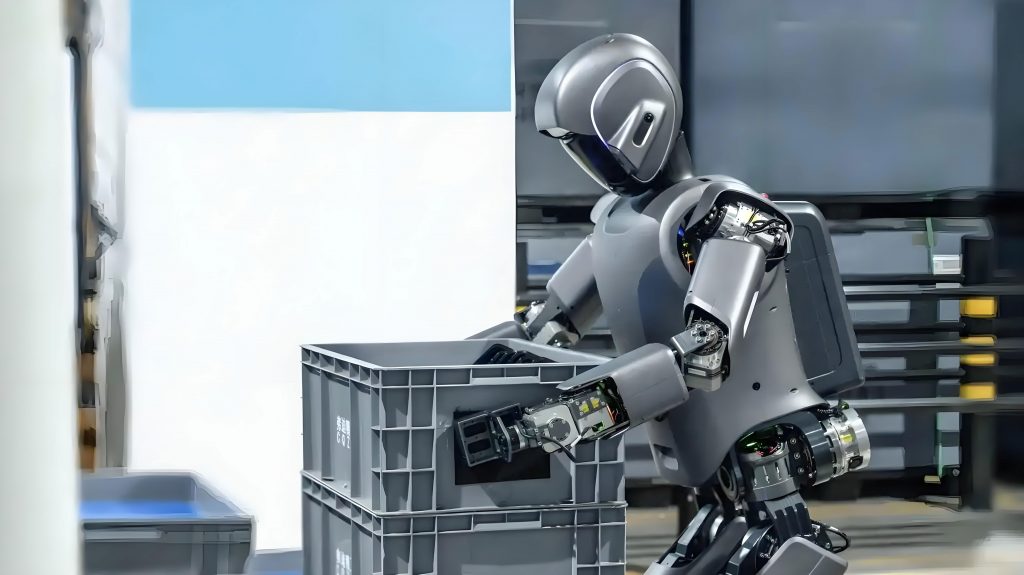
In designing our investigation, we recognized that both PNF techniques and lower limb exoskeleton robot technology target fundamental aspects of motor recovery but through different mechanisms. PNF operates on principles of neurophysiology, utilizing specific patterns of movement and sensory input to facilitate appropriate muscular responses and movement organization. The robot technology approach, in contrast, provides mechanical assistance that enables repetitive, task-specific training even when voluntary movement is limited. This complementary nature suggested that their combination might yield superior outcomes than either approach alone.
Our study methodology was structured to systematically evaluate these interventions across multiple dimensions of recovery. We employed a randomized controlled design with three distinct groups to isolate the effects of each approach and their combination. The assessment framework included quantitative measures of brain activity, neurotransmitter levels, and functional outcomes to provide a comprehensive picture of recovery mechanisms. The integration of robot technology allowed for precise control of movement parameters and objective measurement of performance metrics that are difficult to capture with conventional methods.
The neurophysiological basis of our interventions deserves particular emphasis. PNF techniques leverage the body’s inherent movement patterns and proprioceptive feedback systems to promote efficient motor recruitment and coordination. The diagonal and spiral patterns characteristic of PNF approximate natural movement combinations that activate multiple muscle groups in coordinated sequences. When combined with the consistent, programmable assistance provided by robot technology, these patterns can be executed with optimal alignment, timing, and intensity, potentially enhancing their neuroplastic effects.
Robot technology in rehabilitation represents more than merely automated movement assistance. Advanced exoskeleton systems incorporate sophisticated sensors that monitor patient effort and adaptation, allowing for real-time adjustment of support levels. This responsive feature creates an interactive therapeutic environment where the robot technology progressively challenges the patient as abilities improve, maintaining an optimal level of difficulty for promoting learning and neural adaptation. The data collection capabilities of modern robot technology also provide invaluable objective measures of progress that complement clinical assessment scales.
Our experimental protocol was designed to maximize the therapeutic potential of both approaches. For the PNF interventions, we implemented the classic lower extremity patterns (D1 flexion-extension, D2 flexion-extension) with careful attention to proper technique and patient positioning. The robot technology sessions utilized a commercially available lower limb exoskeleton system that was calibrated to each patient’s anthropometric measurements and functional capacity. The combined intervention group received both treatments in an integrated protocol that sequenced the approaches to leverage their complementary strengths.
The duration and intensity of our intervention—24 weeks of regular therapy—reflects current understanding of neuroplasticity timelines. Meaningful neural reorganization requires sustained, intensive practice over extended periods, particularly for complex functions like walking. The consistency afforded by robot technology addresses a common challenge in rehabilitation: maintaining treatment fidelity and intensity across sessions and therapists. Meanwhile, the hands-on, responsive nature of PNF techniques ensures attention to qualitative aspects of movement that may not be fully captured by automated systems.
To quantify brain activity changes, we employed electroencephalography (EEG) with specific focus on the brain symmetry index (BSI) and the ratio of slow-wave activity. The BSI provides a measure of interhemispheric balance, which is frequently disrupted after stroke and correlates with motor impairment severity. The calculation of BSI follows this formula:
$$ \text{BSI} = \frac{1}{N} \sum_{i=0}^{n} \left\| \frac{1}{M} \sum_{j=i}^{M} \frac{R_{i,j} – L_{i,j}}{R_{i,j} + L_{i,j}} \right\| $$
where $R_{i,j}$ and $L_{i,j}$ represent power in right and left hemisphere channels, respectively, with $N$ and $M$ defining the sample parameters. The slow-wave ratio, calculated as $(\delta + \theta)/(\alpha + \beta)$, reflects the predominance of pathological brain activity patterns associated with stroke. Reductions in both measures indicate normalization of brain electrical activity and improved neural efficiency.
Neurotransmitter assessment provided insight into the neurochemical environment supporting recovery. We measured levels of dopamine, glutamate, acetylcholine, serotonin, GABA, and norepinephrine—key players in motor control, learning, and mood regulation. The balance between excitatory and inhibitory neurotransmitters influences neural plasticity and functional outcomes. Robot technology-assisted training may optimize this balance by providing consistent, rewarded practice that engages dopaminergic reward pathways while minimizing frustration and anxiety through supported performance.
Functional outcomes were assessed using the lower extremity portion of the Fugl-Meyer assessment and the Holden functional ambulation scale. These tools capture different aspects of recovery: the Fugl-Meyer evaluates movement quality and coordination, while the Holden scale rates walking independence in practical contexts. The combination provides a comprehensive picture of how laboratory measures translate to real-world function.
Our results demonstrated significant improvements across all groups, with the combined intervention showing superior outcomes. The table below summarizes the EEG findings after 24 weeks of intervention:
| Group | BSI (Mean ± SD) | Slow-wave Ratio (Mean ± SD) |
|---|---|---|
| PNF Only | 0.41 ± 0.08 | 8.97 ± 2.49 |
| Robot Technology Only | 0.39 ± 0.12 | 9.02 ± 2.54 |
| Combined | 0.29 ± 0.05 | 6.53 ± 1.87 |
The neurotransmitter profiles revealed intriguing patterns that may explain the differential outcomes. The combined group showed significantly higher dopamine and serotonin levels alongside reduced glutamate, acetylcholine, GABA, and norepinephrine compared to the single-intervention groups. This neurochemical environment appears more conducive to learning and plasticity, with optimal levels of excitability and reinforcement. The relationship between neurotransmitter changes and functional improvements can be modeled using a multivariate equation:
$$ \Delta F = k_1 \cdot \Delta DA + k_2 \cdot \Delta 5HT – k_3 \cdot \Delta Glu – k_4 \cdot \Delta ACh – k_5 \cdot \Delta GABA – k_6 \cdot \Delta NE $$
where $\Delta F$ represents functional improvement, $\Delta DA$ is dopamine change, $\Delta 5HT$ is serotonin change, $\Delta Glu$ is glutamate change, $\Delta ACh$ is acetylcholine change, $\Delta GABA$ is GABA change, $\Delta NE$ is norepinephrine change, and $k_1$ through $k_6$ are weighting coefficients derived from regression analysis of our data.
The functional outcomes further supported the superiority of the combined approach. The table below presents the Fugl-Meyer lower extremity scores and Holden walking scale ratings after the intervention period:
| Group | Fugl-Meyer Score (Mean ± SD) | Holden Scale (Mean ± SD) |
|---|---|---|
| PNF Only | 21.69 ± 3.08 | 2.54 ± 0.26 |
| Robot Technology Only | 21.79 ± 3.16 | 2.64 ± 0.31 |
| Combined | 25.37 ± 3.42 | 3.02 ± 0.16 |
The mechanisms underlying these improvements warrant detailed consideration. PNF techniques likely promote recovery through their effects on proprioceptive feedback systems, muscle firing patterns, and interlimb coordination. The specific movement patterns used in PNF activate muscles in functional sequences that mirror real-world tasks, potentially facilitating transfer to daily activities. The manual techniques also allow therapists to provide immediate tactile and verbal feedback that shapes movement quality.
Robot technology contributes through several distinct mechanisms. First, the precise, consistent movement guidance ensures optimal biomechanical alignment during practice, reducing compensatory patterns that can impede recovery. Second, the adjustable assistance levels allow patients to experience successful movement even when voluntary control is limited, maintaining engagement and motivation. Third, the quantitative data collected by robot technology systems enables objective progress tracking and personalized parameter adjustment. Fourth, the repetitive nature of robot-assisted training promotes motor learning through massed practice, which is difficult to achieve with conventional methods due to therapist and patient fatigue.
The synergy between these approaches appears particularly powerful. PNF techniques address the qualitative aspects of movement—coordination, timing, and muscle activation sequences—while robot technology provides the quantitative precision and endurance needed for neuroplastic change. The combination may create optimal conditions for what is known as “assisted-as-needed” learning, where support is provided precisely when needed to ensure successful movement attempts while gradually challenging emerging abilities.
From a neurophysiological perspective, the combined intervention likely engages multiple plasticity mechanisms simultaneously. The PNF component enhances sensory input and proprioceptive awareness, priming the sensorimotor system for learning. The robot technology component then enables intensive practice of the primed patterns, strengthening the neural connections underlying them. This sequence aligns with current models of motor learning that emphasize the importance of sensory preparation before motor execution.
The neurotransmitter findings suggest that the combined approach creates a more favorable neurochemical environment for plasticity. Elevated dopamine and serotonin levels are associated with enhanced motivation, reward processing, and mood—factors known to influence learning capacity. Reduced levels of excitatory neurotransmitters may indicate more efficient neural processing with less “neural noise” interfering with signal transmission. The optimal balance achieved through combined therapy may thus support both the motivational and computational aspects of motor learning.
Our results have important implications for clinical practice and healthcare resource allocation. While robot technology represents a significant initial investment, its ability to deliver consistent, intensive therapy with reduced therapist burden may offer long-term economic advantages. The enhanced outcomes observed with combined therapy suggest that integrating robot technology into existing PNF-based programs could maximize functional recovery while potentially reducing overall treatment duration. This efficiency gain must be balanced against equipment costs and training requirements.
Several limitations of our approach should be acknowledged. The sample size, while adequate for detecting statistically significant differences, may limit generalizability to all stroke populations. The 24-week intervention period, while substantial, may not capture long-term outcomes beyond the active treatment phase. Additionally, the specific parameters of both PNF and robot technology applications (e.g., exact patterns, assistance levels, progression criteria) require further optimization through systematic parameter testing.
Future research directions should include investigation of optimal sequencing and dosing of the combined interventions. Different stroke subtypes, locations, and severity levels may respond differently to the various components of the approach. Personalized protocols based on individual patient characteristics, including neuroimaging and neurophysiological biomarkers, could further enhance outcomes. Technological advancements in robot technology, such as improved portability, comfort, and adaptability, will likely expand applicability and effectiveness.
The integration of robot technology with other emerging rehabilitation approaches represents another promising direction. Virtual reality, brain-computer interfaces, and non-invasive brain stimulation techniques might complement the effects of both PNF and robot-assisted training. Such multimodal approaches could target recovery mechanisms at multiple levels of the nervous system, from peripheral muscles to cortical reorganization.
From a theoretical perspective, our findings support contemporary models of neurorehabilitation that emphasize the importance of engaging multiple learning mechanisms simultaneously. The combination of bottom-up (sensorimotor) approaches like PNF with top-down (goal-directed) approaches enabled by robot technology appears to create conditions optimal for neural reorganization. This aligns with principles of neural network theory, which posit that recovery is enhanced when interventions engage distributed networks through multiple entry points.
The practical implementation of combined PNF and robot technology approaches requires consideration of several factors. Therapist training must encompass both traditional manual techniques and technology operation to ensure seamless integration. Treatment spaces need configuration to accommodate equipment while maintaining a therapeutic environment. Documentation systems should capture both qualitative observations from PNF sessions and quantitative data from robot technology outputs to inform clinical decision-making.
In conclusion, our investigation demonstrates that both PNF techniques and lower limb exoskeleton robot technology contribute significantly to post-stroke recovery, with their combination yielding superior outcomes across brain activity, neurotransmitter profiles, and functional measures. The complementary nature of these approaches suggests that their integration addresses multiple facets of the complex recovery process after stroke. As robot technology continues to advance, its role in rehabilitation will likely expand, offering new possibilities for enhancing and personalizing recovery. The optimal application of these technologies will require ongoing collaboration between clinicians, engineers, and researchers to ensure that technological advancements translate to meaningful functional improvements for individuals living with the consequences of stroke.
The potential of robot technology to transform rehabilitation extends beyond the specific application examined in our study. As systems become more sophisticated, affordable, and user-friendly, they may enable earlier initiation of intensive therapy, more precise targeting of specific impairments, and extended practice in home and community settings. The data collection capabilities of advanced robot technology systems also create opportunities for large-scale analysis of recovery patterns, potentially leading to more predictive and personalized rehabilitation protocols.
Our experience with integrating robot technology into traditional therapeutic approaches has reinforced our belief in the importance of combining technological innovation with sound neurophysiological principles. The most effective rehabilitation strategies will likely continue to blend the art of hands-on therapy with the science of automated assistance, creating synergistic effects that maximize recovery potential. As we move forward, maintaining this balance while embracing technological progress will be essential to advancing the field of neurorehabilitation and improving outcomes for stroke survivors worldwide.