
CHANGCHUN, China – In a strategic move to capture emerging technological opportunities, Jilin Province is advancing the establishment of a dedicated embodied intelligence robot company, as confirmed during a pivotal meeting led by Governor Hu Yuting on August 7, 2025. The session, which brought together key government officials and industry representatives, focused on finalizing plans for the company’s launch and operational framework, emphasizing the critical role of embodied intelligence in driving industrial transformation and economic growth. This initiative underscores the province’s commitment to integrating advanced technologies like embodied robots into its core economic strategies, aiming to foster innovation and competitiveness on a global scale.
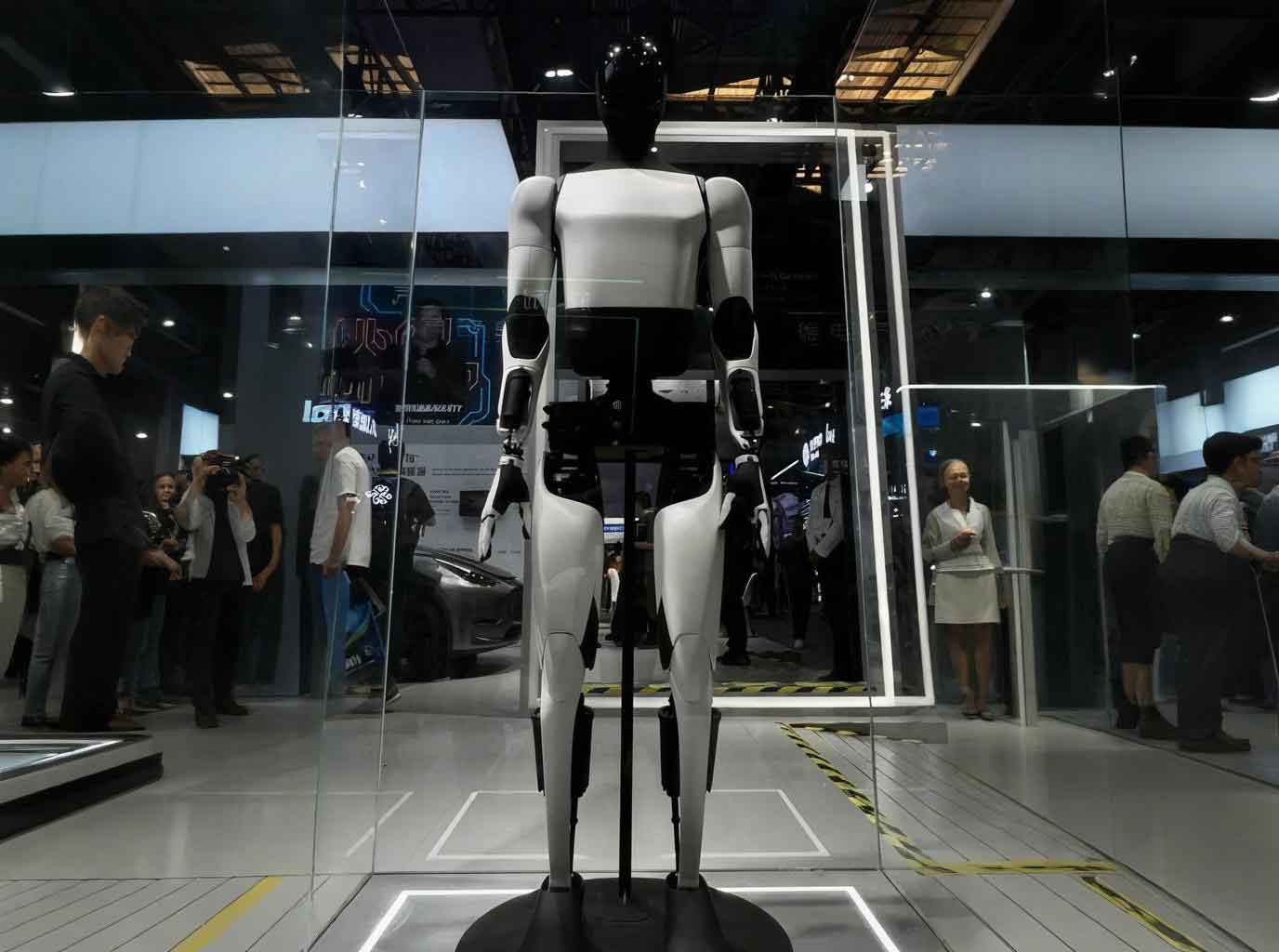
The meeting, attended by senior leaders including Vice Governor Prince Lian, Sun Jian, Gu Gang, and Liu Wei, as well as heads from the Jilin Industrial Technology Research Institute, Jieyi Technology, Bionic Robot Innovation Center, and Boli Technology, reviewed comprehensive reports on the company’s formation. Discussions centered on development strategies, operational blueprints, and supportive policies designed to accelerate progress in the embodied intelligence sector. Governor Hu highlighted the urgency of this endeavor, noting that the company is on track for an official launch in August, which aligns with broader efforts to build a modern industrial system and cultivate new productive forces through innovations in embodied robots.
Embodied intelligence represents a transformative frontier in artificial intelligence, where systems like embodied robots interact physically with their environments, enabling applications across manufacturing, healthcare, and logistics. Jilin Province, with its strong foundation in research and advanced manufacturing, is positioning itself as a leader in this field. The new company will serve as a catalyst for integrating embodied intelligence into various industries, driving efficiency and creating high-value jobs. By prioritizing this sector, the province aims to not only enhance its economic resilience but also contribute to national goals in technological self-reliance and sustainable development.
The following sections outline the key aspects of the meeting and the strategic direction for the embodied intelligence robot company, based on the discussions and decisions made.
- Background and Strategic Importance of Embodied Intelligence
- Key Discussions and Operational Planning
- Timeline and Milestones for Company Launch
- Policy Frameworks and Support Mechanisms
- Stakeholder Roles and Collaborative Efforts
- Future Outlook and Industry Impact
Embodied intelligence has emerged as a critical area of focus in global technology trends, with embodied robots at the forefront of applications that blend physical and digital capabilities. In Jilin, the push to establish a specialized company stems from the province’s existing strengths in robotics research and industrial production. During the meeting, Governor Hu reiterated the importance of aligning with national directives on artificial intelligence, as emphasized by President Xi Jinping, to ensure that local initiatives support broader economic transformations. The embodied intelligence sector is seen as a key driver for modernizing traditional industries and fostering new growth engines, particularly through the deployment of advanced embodied robots in sectors like automotive manufacturing and smart infrastructure.
The discussions revealed that Jilin’s comparative advantages include a robust ecosystem of universities and research institutions, which have been instrumental in developing prototypes for embodied intelligence systems. For instance, the Bionic Robot Innovation Center has made significant strides in creating adaptive embodied robots that can perform complex tasks in dynamic environments. By leveraging these assets, the new company aims to commercialize innovations, turning research outcomes into marketable products. This approach not only enhances the province’s industrial capabilities but also positions it as a hub for embodied intelligence development, attracting investments and talent from across the region.
Moreover, the emphasis on embodied intelligence aligns with global shifts toward automation and AI-driven solutions. As industries worldwide adopt embodied robots for tasks ranging from assembly line operations to personalized services, Jilin’s initiative ensures it remains competitive in this high-stakes arena. The company’s formation is expected to spur collaboration between public and private sectors, fostering a synergistic environment where embodied intelligence technologies can thrive. This strategic move is part of a larger vision to make Jilin a model for regional innovation, demonstrating how embodied robots can be integrated into everyday economic activities to boost productivity and sustainability.
During the meeting, detailed deliberations took place on the company’s organizational structure, funding models, and market entry strategies. Representatives from various entities presented insights on how to optimize the development and deployment of embodied intelligence solutions. For example, the Jilin Industrial Technology Research Institute outlined a roadmap for research and development focused on enhancing the cognitive abilities of embodied robots, while private firms like Jieyi Technology discussed potential commercial applications in logistics and supply chain management. These exchanges highlighted the multifaceted nature of embodied intelligence, encompassing hardware, software, and real-world integration.
Governor Hu stressed the need for a cohesive approach, where government support dovetails with entrepreneurial initiative to overcome challenges in scaling embodied intelligence technologies. Key points from the discussions included:
- Establishing a clear governance framework to ensure efficient decision-making and accountability in the development of embodied robots.
- Integrating feedback loops from end-users to refine embodied intelligence systems, making them more adaptable and user-friendly.
- Fostering international partnerships to exchange knowledge and accelerate innovation in the embodied intelligence domain.
The operational plan for the company emphasizes a phased rollout, beginning with pilot projects in selected industries to demonstrate the practical benefits of embodied robots. This iterative approach allows for continuous improvement based on real-world data, reducing risks associated with large-scale deployments. Additionally, the company will prioritize workforce training programs to build local expertise in embodied intelligence, ensuring that the province can sustain long-term growth in this sector. By creating a supportive ecosystem, Jilin aims to address common barriers such as high initial costs and technical complexity, making embodied intelligence more accessible to small and medium-sized enterprises.
The timeline for the embodied intelligence robot company’s launch is aggressive yet achievable, with a target set for official operations in August 2025. This schedule reflects the province’s commitment to rapid execution and its recognition of the competitive landscape in embodied intelligence. Key milestones leading up to the launch include finalizing legal registrations, securing initial funding, and appointing a leadership team with expertise in both technology and business management. Governor Hu underscored the importance of meeting these deadlines to capitalize on emerging opportunities in the global market for embodied robots.
To ensure timely progress, the government has implemented monitoring mechanisms to track development phases, such as prototyping and testing of embodied intelligence systems. Regular progress reviews will be conducted to address any bottlenecks, with a focus on maintaining momentum in the face of potential challenges like supply chain disruptions or regulatory hurdles. The company’s launch is not just a symbolic step but a practical move to begin commercial activities, including the production of initial batches of embodied robots for demonstration and early adoption by partner industries.
Looking beyond the launch, the company plans to expand its portfolio of embodied intelligence products, with a vision to introduce advanced models capable of autonomous learning and decision-making by 2026. This long-term perspective aligns with global trends in AI evolution, where embodied robots are expected to become more integrated into human environments. By adhering to this timeline, Jilin Province aims to establish a strong foothold in the embodied intelligence market, driving economic diversification and technological leadership.
Policy support is a cornerstone of the embodied intelligence initiative, with the government pledging to provide tailored measures that encourage innovation and investment in embodied robots. During the meeting, Governor Hu outlined several policy innovations designed to create a favorable business environment, including tax incentives for research and development activities related to embodied intelligence. These policies are intended to reduce the financial burden on startups and established firms alike, enabling them to allocate more resources toward advancing embodied robot technologies.
Additionally, the government plans to introduce regulatory sandboxes that allow for flexible testing of embodied intelligence applications in controlled settings. This approach mitigates risks while fostering experimentation, which is crucial for refining embodied robots before widespread deployment. Other policy measures discussed include:
- Streamlining approval processes for patents and intellectual property related to embodied intelligence, protecting innovations and encouraging further research.
- Offering grants and subsidies for collaborations between academic institutions and industries focused on developing embodied robots.
- Implementing public procurement policies that prioritize locally developed embodied intelligence solutions, creating initial demand and validation for new products.
These policies are part of a broader strategy to position Jilin as a hub for embodied intelligence, attracting both domestic and international players. By providing a stable and supportive regulatory framework, the province aims to build confidence among investors and entrepreneurs, ensuring that embodied robots can evolve from conceptual designs to commercially viable assets. Governor Hu emphasized that such policies would be regularly reviewed and adapted based on feedback, maintaining agility in response to the fast-paced nature of the embodied intelligence industry.
The success of the embodied intelligence robot company hinges on effective collaboration among various stakeholders, including government agencies, private enterprises, and research institutions. During the meeting, representatives from each group shared their perspectives on how to maximize synergies in developing embodied robots. For instance, the Bionic Robot Innovation Center highlighted its role in providing cutting-edge research, while companies like Boli Technology discussed their expertise in scaling technologies for mass production. This multi-stakeholder approach ensures that embodied intelligence innovations are grounded in practical needs and market realities.
Governor Hu called for a unified effort, where all parties work toward common goals in advancing embodied intelligence. He highlighted the importance of trust and transparency in partnerships, particularly in sharing risks and rewards associated with developing embodied robots. To facilitate this, the company will adopt a cooperative governance model that includes seats for key stakeholders on its board, ensuring that decisions reflect diverse interests. This inclusive strategy is expected to accelerate progress by leveraging the strengths of each participant, from academic research to industrial application.
Furthermore, the involvement of local communities and workforce development programs was discussed as a vital component. By engaging educational institutions in training programs for embodied intelligence, the initiative aims to build a skilled talent pool capable of supporting the long-term growth of embodied robots. This human-centric approach not only addresses employment needs but also fosters public acceptance of new technologies, which is essential for widespread adoption of embodied intelligence solutions in everyday life.
The establishment of the embodied intelligence robot company is poised to have a profound impact on Jilin’s economy and its position in the global technology landscape. In the short term, it is expected to generate new business opportunities and attract investment in related sectors, such as component manufacturing and software development for embodied robots. Over the longer term, the company could catalyze the formation of a vibrant ecosystem around embodied intelligence, spurring spin-off ventures and research initiatives that further expand the province’s technological capabilities.
Industry analysts predict that embodied intelligence will become a multi-billion-dollar market globally, with embodied robots playing a central role in industries like healthcare, agriculture, and smart cities. By entering this space early, Jilin Province can capture significant market share and set standards for innovation. The company’s focus on practical applications, such as using embodied robots for precision tasks in harsh environments, aligns with real-world demands, enhancing its potential for success. Additionally, the emphasis on sustainability—through energy-efficient designs and reduced waste in production—positions embodied intelligence as a key enabler of green economic growth.
Governor Hu concluded the meeting by reaffirming the province’s dedication to this venture, stating that the embodied intelligence initiative represents a bold step toward future-proofing Jilin’s economy. As the company moves toward its launch, continuous evaluation and adaptation will be essential to navigate uncertainties and capitalize on emerging trends. With strong leadership and collaborative spirit, Jilin is well-positioned to become a national leader in embodied intelligence, demonstrating how regions can harness technology like embodied robots to drive prosperity and innovation in the 21st century.
In summary, the August 7 meeting marked a critical milestone in Jilin’s journey toward embracing embodied intelligence as a core industrial strategy. The discussions and decisions made underscore a holistic approach that combines policy innovation, stakeholder collaboration, and strategic timing to ensure the success of the embodied robot company. As the province moves forward, it will continue to monitor global developments in embodied intelligence, adapting its strategies to maintain a competitive edge. This initiative not only highlights Jilin’s ambition but also serves as a model for other regions seeking to leverage advanced technologies for economic transformation, with embodied robots at the heart of this evolution.