
SHENZHEN – As DeepSeek’s groundbreaking advancements continue to dominate technology discourse, Shenzhen is leveraging its position as China’s leading innovation hub to establish itself as a globally influential center for industrial and technological advancement. During recent deliberations on the municipal government work report, deputies to the Shenzhen People’s Congress proposed comprehensive strategies to integrate humanoid robots across multiple sectors, positioning these advanced systems at the core of the city’s technological evolution.
-
Integration of Scientific and Industrial Innovation Systems
Deputies emphasized the critical need to merge technological breakthroughs with industrial applications to develop new productive forces. Deputy Li Shuangshuang advocated for creating municipal-level medical big data repositories to accelerate AI-medical device convergence, highlighting that secure data-sharing frameworks would enable faster development of diagnostic and therapeutic humanoid robot systems.
Deputy Zeng Shaoqiang proposed designating Bao’an District as a special pilot zone for “AI + Industry,” leveraging its comprehensive manufacturing ecosystem to test humanoid robots in precision assembly and quality control scenarios. “By demonstrating humanoid robot applications in Bao’an’s factories, we can create replicable models for city-wide industrial transformation,” Zeng stated.
Port modernization emerged as another priority, with Deputy Hu Zhaoyang recommending green and smart port upgrades through marine technology investments. Meanwhile, Deputy Min Qishuang identified cross-border applications for humanoid robots in low-altitude economies: “Luohu District’s three border checkpoints offer ideal testing grounds for deploying humanoid robots in customs logistics and emergency medical delivery systems between Shenzhen and Hong Kong.”
-
Cultivating Disruptive Innovations in Humanoid Robotics
Congress representatives identified scene-specific applications as crucial for advancing humanoid robot capabilities. Deputy Yang Rui outlined multidimensional implementation strategies: “In educational settings, humanoid robots can serve as teaching assistants; in eldercare facilities, they provide companionship and basic support; and in medical institutions, they assist in rehabilitation therapies.” Yang emphasized that humanoid robot deployment across these scenarios would significantly reduce labor costs while enhancing service quality.
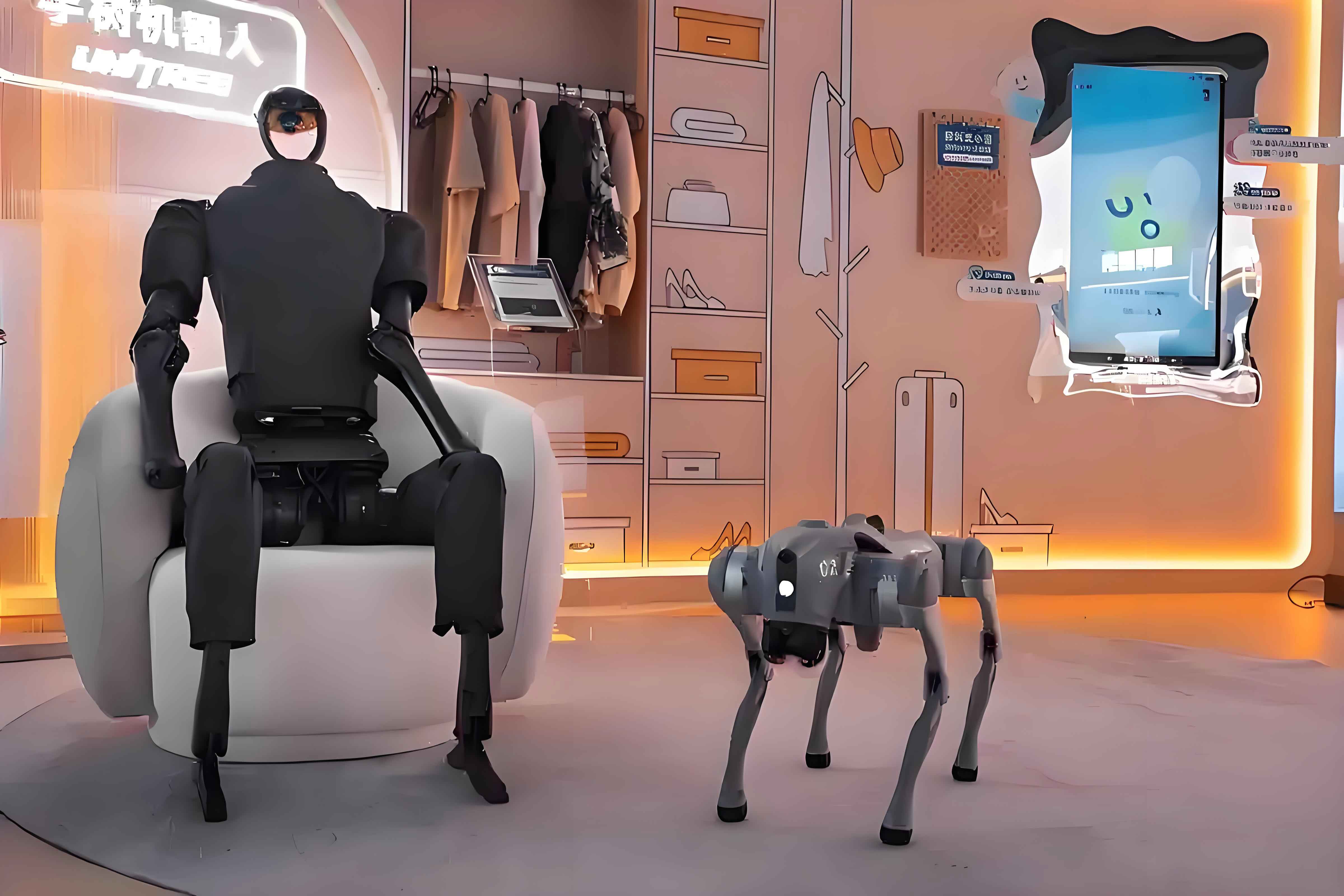
Despite progress, Deputy Zhang Ju highlighted persistent challenges: “Critical deficiencies in core algorithms and key components, coupled with shortages of high-end talent, hinder humanoid robot development.” He proposed establishing a dedicated Shenzhen Artificial Intelligence Robot Fund to finance core technology R&D and support upstream-downstream enterprises in the humanoid robot supply chain.
Addressing talent gaps, Deputy Liu Jian advocated for recruiting fundamental science experts: “Breakthroughs in embodied intelligence require advanced mathematics and physics knowledge. Attracting elite researchers will enable Shenzhen to develop next-generation humanoid robots capable of revolutionizing multiple industries.”
-
Realigning Innovation Resources Toward Enterprise Development
Recognizing enterprises as primary innovation drivers, deputies urged policy realignments to support technology firms. Deputy Li Jichao recommended expanding subsidies and affordable R&D spaces for SMEs, particularly specialized tech enterprises and high-growth companies in innovation districts. “Targeted support for emerging enterprises will cultivate future unicorns in the humanoid robot sector,” Li asserted.
Deputy Zhang Weimin proposed establishing industrial synergy alliances to integrate production, education, research, and financing resources. “Cross-sector collaboration platforms will accelerate humanoid robot commercialization and position Shenzhen as the nucleus of emerging intelligent manufacturing clusters,” he explained.
With Shenzhen’s AI industry expanding rapidly, Deputy Guo Bingang emphasized talent acquisition: “We face severe shortages of AI specialists, especially interdisciplinary experts capable of advancing humanoid robot technologies.” He called for enhanced recruitment policies to attract global innovators.
Deputy Xia Yuhua advocated foundational reforms: “We must embed technological education earlier by creating interactive STEM spaces in primary and secondary schools. Early exposure to humanoid robot programming will cultivate future innovators who can sustain Shenzhen’s technological leadership.”
As deliberations concluded, consensus emerged that integrating humanoid robots across healthcare, manufacturing, education, and urban management systems represents Shenzhen’s strategic pathway toward technological sovereignty. The city’s comprehensive approach – combining targeted enterprise support, specialized funding mechanisms, talent cultivation, and cross-sector pilot programs – establishes a replicable model for humanoid robot adoption that could redefine urban technological ecosystems globally.