
The accelerated integration of the digital and physical worlds, propelled by rapid advancements in artificial intelligence, is fundamentally reshaping service marketing paradigms. The widespread deployment of intelligent robots across sectors such as customer service, healthcare, education, and finance is exerting a profound influence on daily life and work. This article delves into the impact of intelligent robots on consumer happiness, moving beyond mere functional utility to explore the psychological and experiential dimensions of this interaction. From a theoretical standpoint, I will examine the essence of human-robot interaction (HRI) and its primary manifestations in empowering service marketing. I will then dissect the principal pathways through which intelligent robots can enhance consumer happiness, focusing on consumer psychology and key design elements. Finally, by revisiting the rich conceptualization of consumer happiness, I aim to illuminate the developmental trajectory for intelligent robots in serving humanity’s pursuit of a better life, providing a theoretical reference for related work and research.
The transformation is already significant. Once confined to basic mechanical functions, contemporary intelligent robots are increasingly tasked with emotional labor, featuring deep learning and social interaction capabilities, thus becoming indispensable aids. The market reflects this shift; the service robot sector is projected to grow exponentially. This evolution sees intelligent robots transitioning from simple mechanical interfaces towards more anthropomorphic forms of interaction, enabling social and emotional exchanges. Investigating how these intelligent robots affect consumer happiness is therefore crucial for injecting new vitality into service marketing in the new era.
Human-Robot Interaction: Conceptual Foundations and Service Applications
Human-Robot Interaction (HRI) pertains to the design, understanding, and evaluation of systems where humans and robots engage in interaction and collaboration. From a perceptual perspective, HRI describes the psychological responses of users—their assessment of the cooperation, interaction, and cognitive as well as affective engagement with the robotic technology. Since the advent of early social robots, intelligent robots have evolved to possess greater mobility and personality, capable of responding to and triggering human emotions, thereby motivating users to establish long-term social relationships with them.
In the context of service marketing, HRI can be operationalized through several key perceptual dimensions that shape the user experience:
| Dimension | Definition | Impact on Service Perception |
|---|---|---|
| Anthropomorphism | Attribution of human-like characteristics, form, or behavior to the robot. | Increases relatability and can trigger social response rules. |
| Animacy | The perception of the robot as being lively and alive. | Influences emotional response and engagement. |
| Likeability | The capacity to create a positive first impression. | Leads to more favorable overall evaluations of the service encounter. |
| Perceived Intelligence | The judged capability of the robot to act smartly, often task-related. | Directly affects trust in the robot’s ability to perform services effectively. |
| Perceived Safety | The sense of security (physical and data-related) during interaction. | A fundamental prerequisite for adoption and positive experience. |
Research indicates that anthropomorphism and perceived intelligence are often the most salient dimensions for consumers when evaluating service robots. These dimensions uniquely influence consumer satisfaction, enhance experiential aspects (sensory, affective, behavioral, intellectual), and can induce specific psychological effects. For instance, incorporating emotional elements, such as a cheerful tone in a chatbot’s messages, can foster more positive and happier consumer emotions. However, HRI is not universally positive. Service failures in AI-driven interactions can lead to customer frustration, especially when co-creation efforts fall short of expectations. Interestingly, some research suggests that such failures might not always translate into negative word-of-mouth in the same way human service failures do, pointing to a different psychological dynamic in human-robot service recovery.
Mechanisms of Influence: How HRI Affects Consumer Happiness
The pathway from interaction with an intelligent robot to enhanced consumer happiness is multifaceted, operating through distinct psychological and design-led channels.
The Psychological Pathway: Social Responses and Emotional Connection
This pathway is grounded in the Computers Are Social Actors (CASA) paradigm, which posits that individuals instinctively apply social rules and expectations to computers and robots. Consequently, an intelligent robot is perceived as an automated social entity. When a service robot performs social tasks, it can foster positive affect in consumers. A key mechanism here is anthropomorphism. By simulating human-like interactions, the robot creates a facsimile of face-to-face communication. This allows the intelligent robot to engage in behaviors that build rapport, share positive affect, and make the consumer feel understood. This perceived social and emotional intelligence enhances the robot’s interpersonal communication competence.
The sequence can be modeled as a function of anthropomorphic design (A) leading to perceived social warmth (W) and trust (T), which subsequently enhances affective happiness (H_aff).
$$ H\_{aff} = f(A) \rightarrow \Delta W, \Delta T $$
Where a higher degree of effective anthropomorphism (A) increases perceived warmth (W) and trust (T), leading to a rise in affective happiness (H_aff). This pathway catalyzes feelings of trust, empathy, compassion, and perceived warmth in the consumer, fulfilling social-emotional needs and contributing to a sense of value and belonging, thereby boosting happiness.
The Design Factors and Technical Competence Pathway
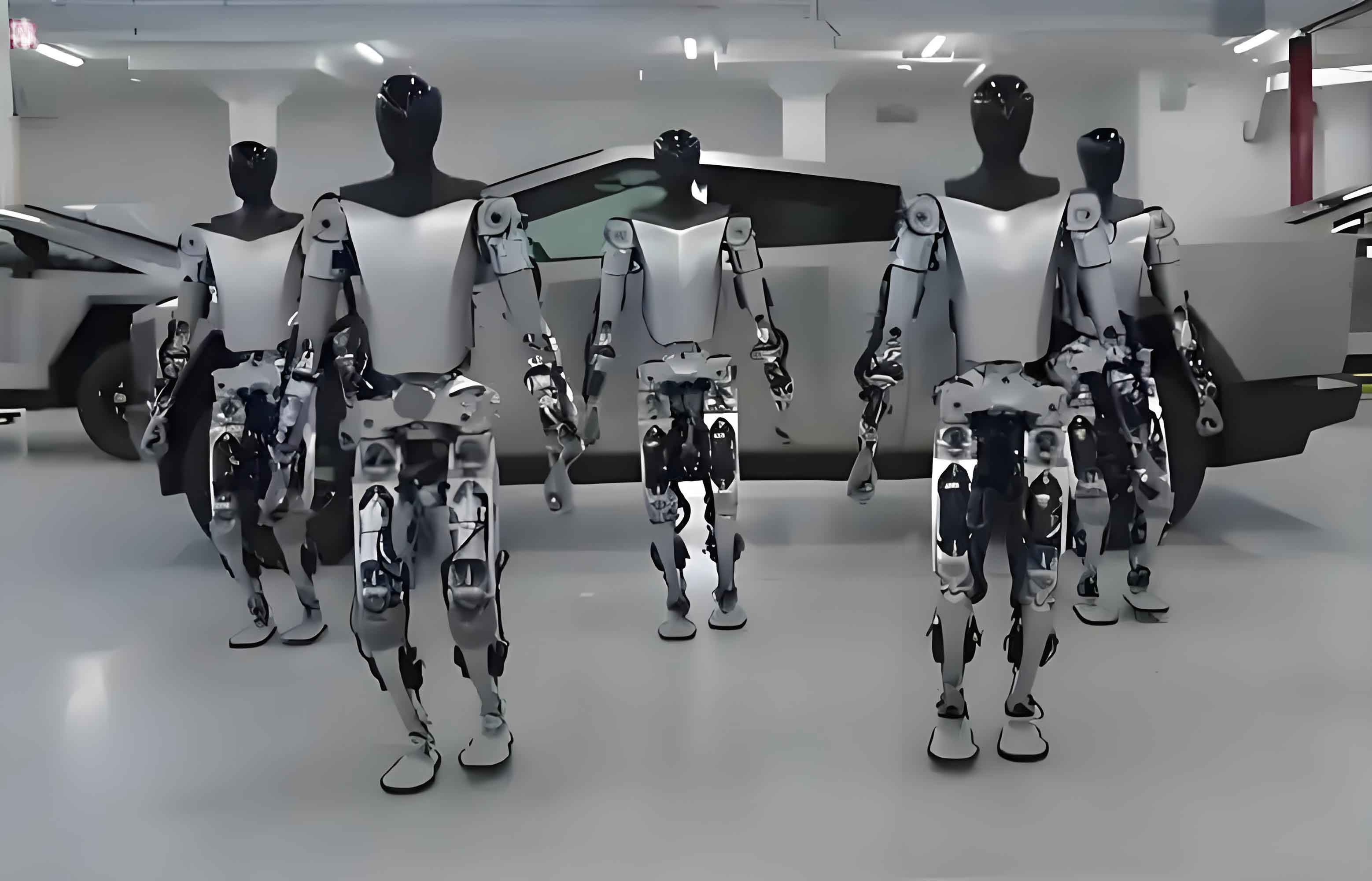
This pathway is explained by the Automated Social Presence (ASP) model and the Technology Acceptance Model (TAM). Here, the intelligent robot is viewed as a specialized technological tool that enhances service quality through high-level automation, performing functions previously done by humans. Its value lies in its technical competence, which can be task-oriented (e.g., efficient information retrieval, accurate transaction processing) or emotion-oriented (e.g., mood detection, empathetic response).
The ASP model suggests that the robot’s intelligent attributes form the basis for human perception and evaluation of service quality. From a TAM perspective, the design of the robot’s task types and interface directly influences its perceived usefulness and perceived ease of use. A well-designed intelligent robot that efficiently and accurately meets consumer needs enhances the user’s sense of control and efficacy.
This relationship can be expressed as a function of technical competence (C_tech) influencing perceived control (PC) and satisfaction (S), which drive cognitive-evaluative happiness (H_cog).
$$ H\_{cog} = g(C\_{tech}) \rightarrow \Delta PC, \Delta S $$
Superior technical competence (C_tech) strengthens perceived control (PC) and service satisfaction (S), resulting in higher cognitive evaluations of happiness (H_cog). In essence, when an intelligent robot demonstrates high proficiency, it better fulfills or exceeds consumer expectations, leading to satisfaction—a key cognitive component of happiness.
The following table summarizes and contrasts these two primary pathways:
| Aspect | Psychological Pathway (Social-Emotional) | Design & Competence Pathway (Cognitive-Evaluative) |
|---|---|---|
| Core Theory | Computers Are Social Actors (CASA) Paradigm | Automated Social Presence (ASP), Technology Acceptance Model (TAM) |
| Key Robot Attribute | Anthropomorphism, Interpersonal Cues | Perceived Intelligence, Technical Reliability, Ease of Use |
| Primary Competence | Interpersonal Communication Competence | Technical/Professional Competence |
| Consumer Perception | Warmth, Trust, Empathy, Social Connection | Usefulness, Ease of Use, Efficiency, Control |
| Type of Happiness | Affective Happiness (Feeling good) | Cognitive Happiness (Evaluation of life/service satisfaction) |
| Influence Mechanism | Fulfills social-emotional needs, builds rapport. |
Defining and Measuring Consumer Happiness in Service Encounters
To fully grasp the impact of intelligent robots, one must understand the multifaceted nature of consumer happiness. In marketing, it is conceptualized through two primary philosophical lenses, both relevant to service interactions with robots:
1. Hedonic Perspective (Subjective Well-Being): This view defines consumer happiness as the overall satisfaction and positive affective experiences (joy, comfort, pleasure) derived from consumption activities. In a service context, it focuses on the pleasantness of the experience itself.
2. Eudaimonic Perspective (Psychological Well-Being): This view goes beyond momentary pleasure. It defines happiness as encompassing personal growth, meaning, and the realization of one’s potential through effort. In services, this could relate to feelings of achievement, learning, or self-efficacy gained from the interaction.
In the specific context of services, Customer Service Well-Being (CSW) emerges as a key construct. It is defined as a positive subjective, affective, and cognitive evaluation arising from the characteristics of a service experience—including its interactive, relational, procedural, and processual nature. This means happiness is not just an outcome but is embedded in the process of interacting with the service provider, whether human or machine.
Therefore, a comprehensive measurement of happiness in HRI should capture both its affective and cognitive components across the service journey. The table below outlines potential measurement approaches aligned with the two pathways:
| Happiness Component | Associated Pathway | Example Measurement Metrics |
|---|---|---|
| Affective Happiness (Hedonic, Feeling-based) |
Psychological (Social-Emotional) | Positive Affect (PANAS scale), Emotional Arousal during interaction, Perceived Warmth, Sense of Connection. |
| Cognitive Happiness (Evaluative, Satisfaction-based) |
Design & Competence | Service Satisfaction, Goal Achievement, Perceived Control, Perceived Usefulness, Overall Life/Situation Satisfaction attributed to the service. |
| Eudaimonic Happiness (Meaning & Growth) |
Can be triggered by both pathways | Perceived Personal Growth from the interaction, Sense of Accomplishment, Feeling of Learning or Enhanced Self-Efficacy. |
A simplified integrative model capturing the overall impact can be represented as:
$$ Consumer\\,Happiness\\,(CH) = \\alpha(H\_{aff}) + \\beta(H\_{cog}) + \\gamma(H\_{eud}) $$
Where \( H\_{aff} \) is Affective Happiness, \( H\_{cog} \) is Cognitive Happiness, \( H\_{eud} \) is Eudaimonic Happiness, and \( \\alpha, \\beta, \\gamma \) are weighting coefficients that may vary across individuals and service contexts. The interaction with an intelligent robot provides inputs to each of these components via the described pathways.
Synthesis and Discussion: Balancing the Pathways
The rapid development of intelligent robots is fundamentally altering service relationships, characteristics, and the entire process from pre- to post-service. Understanding their impact on happiness requires this dual-pathway lens. The influence is complex and contingent. A highly intelligent and technically competent robot can boost cognitive happiness by fulfilling needs efficiently. A highly anthropomorphic and socially skilled robot can boost affective happiness by providing warm, trustworthy interaction. Critically, these pathways are not mutually exclusive; the most impactful intelligent robot likely excels in both domains, providing a holistic enhancement to consumer happiness.
However, failure is possible on either front. If the robot’s technical competence is low (e.g., frequent errors, slow response), it undermines perceived control and usefulness, reducing cognitive happiness and causing frustration. If its anthropomorphism is awkward or its social cues are inappropriate (e.g., uncanny valley effect, misplaced empathy), it can erode trust and create discomfort, reducing affective happiness. Therefore, the net effect on consumer happiness is a function of the robot’s performance along both its technical and interpersonal dimensions. The optimal design must carefully balance and integrate these aspects based on the specific service context.
Conclusion and Implications
Artificial intelligence is making services more efficient and convenient, unlocking vast opportunities for innovation that profoundly affect service quality and customer experience. In future service landscapes, intelligent robots will serve as essential complements to human service forces. For businesses, integrating these technologies is key to maintaining competitive advantage.
From the perspective of enhancing consumer happiness, this analysis underscores the paramount importance of strengthening and optimizing the service competence of intelligent robots. As interactions shift from human-to-human to human-to-robot, consumers will critically evaluate the robot’s competence on two fronts. When technical competence is high, cognitive happiness is elevated. When interpersonal communication competence is high, affective happiness is elevated.
Thus, I recommend that enterprises, guided by their specific service characteristics, strategically prioritize the enhancement of both the intelligent (perceived intelligence, reliability, usefulness) and anthropomorphic (warmth, social skill, appropriate emotional expression) attributes of their service robots. Investing in this dual-competence model is the pathway to unlocking the full, happiness-enhancing potential of robot-assisted service, steering AI development towards the fundamental goal of serving humanity’s need for a better and more fulfilling life.