
The humanoid robot industry in China is witnessing a remarkable surge in capital investment, with funding events skyrocketing in 2025. According to recent data, the sector has already recorded 107 financing deals by early August, totaling approximately 278.79 billion yuan, far surpassing the 72 deals and 130.23 billion yuan raised throughout the entire previous year. This explosive growth underscores the escalating confidence of investors in the potential of humanoid robot technologies, driven by advancements in artificial intelligence and robotics. The trend highlights a significant shift from conceptual hype to tangible commercial applications, as companies race to develop and deploy humanoid robots across various industries.
1. Soaring Investment in the Humanoid Robot Landscape
The humanoid robot sector has experienced a dramatic increase in funding activities since the beginning of 2025, reflecting a broader global interest in humanoid robot innovations. In July alone, 21 financing events occurred, averaging nearly two deals every three days, indicating a sustained upward trajectory. This momentum has continued into August, with multiple companies securing substantial investments. The table below summarizes the funding trends over recent years, illustrating the rapid expansion of the humanoid robot market:
| Year | Number of Funding Events | Total Funding (billion yuan) |
|---|---|---|
| 2023 | 42 | 130.23 |
| 2024 | 72 | 130.23 |
| 2025 (as of August 7) | 107 | 278.79 |
Monthly data for 2025 reveals a consistent climb in humanoid robot financing: January saw 8 deals, February 12, March 13, April 14, May 15, June 18, and July 21. Notably, July featured several high-value transactions, including 10 billion yuan for Zhongqing Robot, 6 billion yuan for Qianxun Intelligence, 1 billion USD for Xinghai Tu, 5 billion yuan for Xingdong Jiyuan, and 5 billion yuan for Yun Shenchu Technology. These investments have propelled valuations to new heights, with companies like Zhiyuan Robot reaching 160 billion yuan and Yushu Technology hitting 130 billion yuan by July. In August, further deals have emerged, such as Fourier’s E+ round of 3 billion yuan, boosting its valuation to 85 billion yuan, and Zhiyuan Robot’s undisclosed funding that elevated its worth to 180 billion yuan. The influx of capital is not only fueling research and development but also enabling humanoid robot firms to expand their ecosystems through strategic investments in other startups, fostering collaboration and innovation across the industry.
2. Key Players and Valuation Milestones in the Humanoid Robot Industry
Several humanoid robot companies have emerged as leaders, attracting significant attention and funding. Zhiyuan Robot, for instance, made headlines with its potential backdoor listing, triggering a series of stock market rallies, while Yushu Technology confirmed its IPO plans after multiple speculations. The success of these firms is partly attributed to the listing of Ubtech, the first humanoid robot company to go public on the Hong Kong Stock Exchange, which set a precedent for the sector. The valuation of humanoid robot enterprises has become a key indicator of market confidence; in July, two companies achieved valuations exceeding 100 billion yuan, and nine others were valued between 10 billion and 100 billion yuan. This trend underscores the growing appetite for humanoid robot investments, as venture capitalists and corporate investors seek to capitalize on the next wave of technological disruption. Moreover, established humanoid robot players are increasingly investing in other ventures, such as Zhiyuan Robot partnering with various manufacturers to form subsidiaries and fund startups like Lingchu Intelligence and Xier Robot, thereby strengthening the entire humanoid robot ecosystem.
3. Commercial Deployment of Humanoid Robots: Moving Beyond Demonstrations
The humanoid robot sector is rapidly transitioning from experimental showcases to practical applications, addressing skepticism about their real-world utility. Earlier this year, incidents like Yushu Technology’s G1 humanoid robot stumbling during a marathon sparked debates over stability, but many companies are now proving the commercial viability of humanoid robots. For example, Galaxy General Robot, praised by industry leaders, has deployed its humanoid robot, Galbot, in unmanned retail environments. In a demonstration at a recent international AI conference, Galbot efficiently managed a convenience store, handling tasks such as inventory management, product retrieval, and customer service for over 5,000 types of goods. Since March, Galaxy General Robot has operationalized Galbot in nearly ten stores in Beijing, achieving full automation in spaces up to 50 square meters. Similarly, Ubtech secured a major order worth 90.5115 million yuan for robot equipment, highlighting the growing demand for humanoid robot solutions in industrial settings. Other firms, like Songyan Power, have reported mass production milestones, delivering 105 humanoid robots in July alone and accumulating orders for over 2,000 units valued at more than 1 billion yuan. These developments indicate that the humanoid robot industry is entering a phase of tangible commercial adoption, with applications spanning logistics, healthcare, and retail, thereby solidifying the role of humanoid robots in everyday life.
4. Major Events and Market Dynamics for Humanoid Robots
Industry gatherings have played a pivotal role in showcasing the progress of humanoid robot technologies. The upcoming 2025 World Artificial Intelligence Conference is set to feature more than 150 humanoid robots, marking the largest such exhibition in China and highlighting the sector’s rapid evolution. Such events provide a platform for companies to demonstrate advancements in humanoid robot capabilities, from mobility to AI integration. Additionally, corporate activities reflect the intense competition; in July, Yushu Technology and Zhiyuan Robot were among the beneficiaries of a 1.24 billion yuan procurement deal by China Mobile, followed by Ubtech’s significant contract win. The market response has been positive, with stock prices often rallying on news of large orders or funding rounds. Analysts from institutions like Morgan Stanley have noted that the humanoid robot field is shifting from a phase of technological enthusiasm to one of commercial implementation, predicting widespread adoption in China in the latter half of 2025. This aligns with the broader trend of humanoid robots becoming integral to various sectors, driven by innovations in embodied AI and robotics that enhance productivity and efficiency.
5. Innovations and Future Prospects for Humanoid Robot Companies
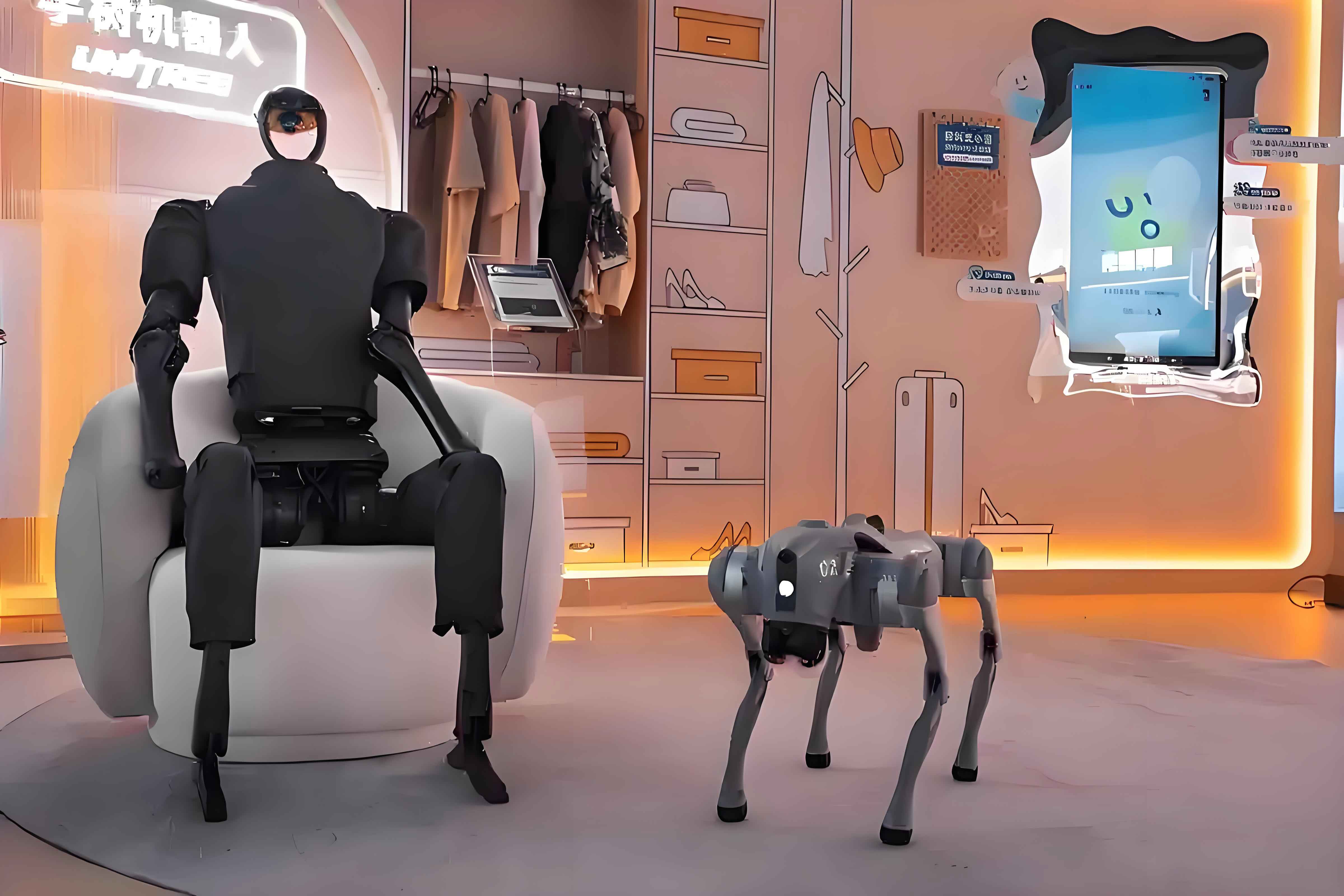
Yushu Technology continues to lead with product launches and strategic moves, recently unveiling the Unitree A2, a quadruped robot dog designed for industrial applications, weighing approximately 37 kilograms with a maximum speed of 5 meters per second and a range of 20 kilometers. Although pricing and availability remain undisclosed, the A2 emphasizes practical use cases. Earlier, in July, Yushu introduced the Unitree R1 humanoid robot, priced starting at 39,900 yuan, featuring 26 joints and integrated multimodal AI for voice and image recognition. This aggressive pricing strategy, significantly lower than previous models, positions Yushu as a disruptor in the humanoid robot market, making advanced robotics more accessible to developers and researchers. Financially, Yushu reported revenues exceeding 10 billion yuan in 2024, with profitability and over 50,000 units of its Unitree Go1 robot sold globally, capturing more than 60% of the consumer legged robot market. The company’s IPO plans, filed with the China Securities Regulatory Commission, aim for a submission by October 2025, which could enhance funding for R&D in areas like high-torque motors and lightweight materials. Analysts believe that Yushu’s potential listing could mirror the impact of Tesla in the electric vehicle sector, accelerating industry consolidation and emphasizing performance over speculation in the humanoid robot arena.
In conclusion, the humanoid robot sector in China is experiencing a transformative period characterized by robust capital investment, rapid technological advancements, and increasing commercial deployments. With funding events surpassing 100 in 2025 and valuations reaching unprecedented levels, the industry is poised for significant growth. Companies are moving beyond mere demonstrations to deliver practical solutions, as seen in retail, industrial, and service applications. The ongoing developments, including product innovations and IPO activities, suggest that the humanoid robot market is maturing, with a focus on scalability and real-world impact. As the year progresses, the emphasis will likely remain on achieving widespread adoption and proving the long-term value of humanoid robots in diverse settings.