
BEIJING, August 18, 2025 – The inaugural World Humanoid Robot Games, the first-ever comprehensive sports event dedicated entirely to humanoid robots, successfully concluded on August 17, 2025, after three days of intense and innovative competitions at the National Speed Skating Oval, famously known as the “Ice Ribbon,” in Beijing. This groundbreaking spectacle brought together 280 teams from 16 countries, engaging in 26 distinct categories across 487 matches, showcasing the remarkable advancements in humanoid robot capabilities, particularly in intelligent decision-making, motion coordination, and collaborative functionalities. The event served as a global platform to highlight the rapid evolution of humanoid robot technology, drawing attention from researchers, developers, and enthusiasts worldwide who are keen on the progress of humanoid robots in simulating human-like activities.
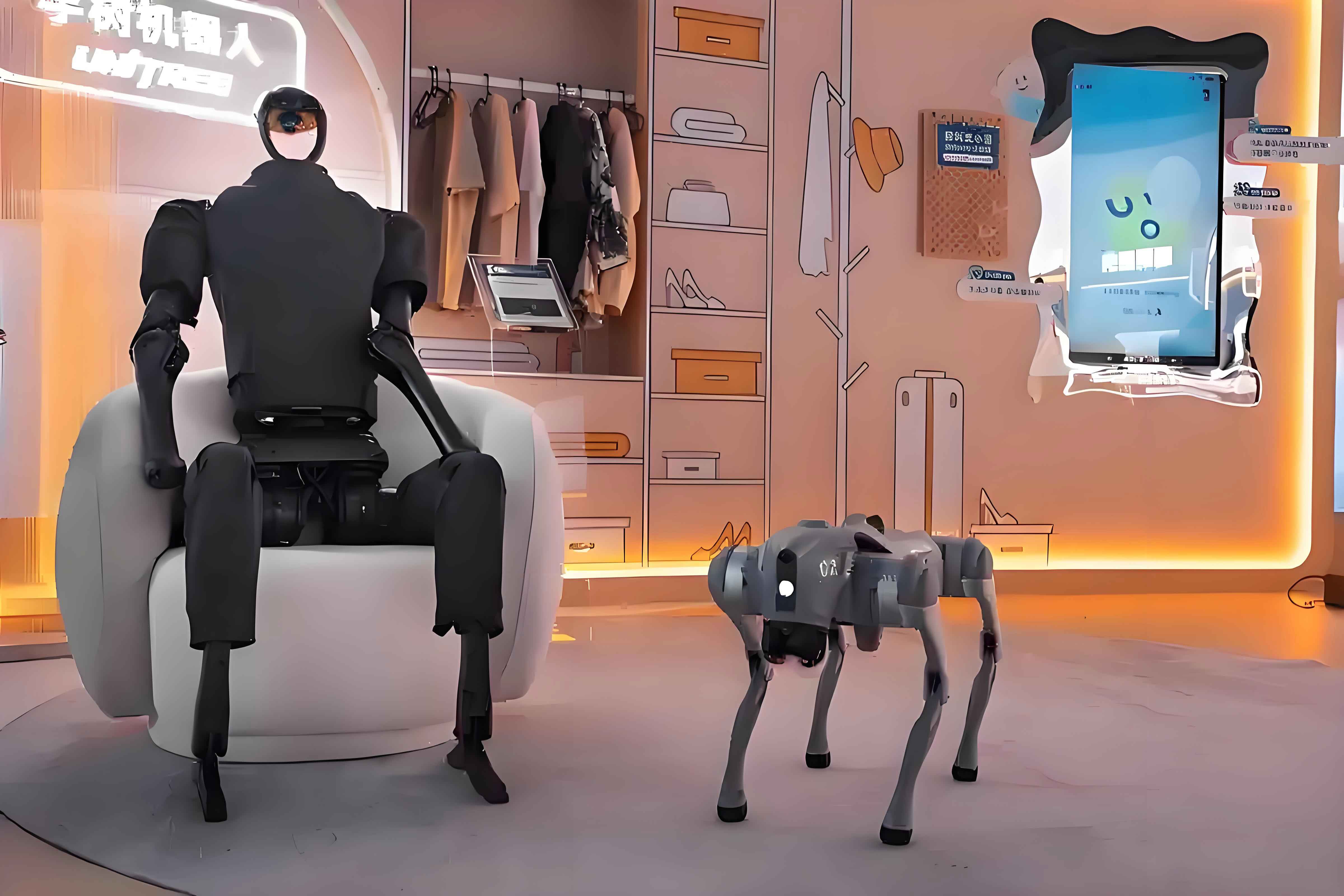
The seamless execution of the World Humanoid Robot Games was the result of an extensive and meticulous 90-day preparation period undertaken by the Beijing Olympic Group, under the strategic leadership of Chairman Zhao Dongwei. Every aspect of the event was carefully planned and refined to create an optimal environment for the humanoid robots and their technical teams. From the specific type of grass used in the humanoid robot football fields to the precise materials of the running tracks, and even the objects involved in scenario-based competitions such as capsule sorting and luggage handling by service humanoid robots, no detail was overlooked. This rigorous approach ensured that the humanoid robot performances were not only smooth and efficient but also provided a captivating experience for audiences, blending human oversight with the autonomous capabilities of humanoid robots in a dynamic sports setting.
In an exclusive interview with Financial Times held just before the commencement of the games, Chairman Zhao Dongwei provided deep insights into the motivations, preparations, and anticipated impacts of this pioneering humanoid robot event. He emphasized that the World Humanoid Robot Games was designed to be more than just a competition; it was a strategic initiative to propel the humanoid robot industry forward by testing limits, fostering global partnerships, and inspiring innovation in humanoid robot design and application. The following sections delve into the key aspects discussed during the interview, outlining the core elements that made this humanoid robot event a historic milestone.
1. Reasons for Hosting the World Humanoid Robot Games
- The primary reason for organizing the World Humanoid Robot Games was to conduct a comprehensive assessment of the current development level of humanoid robots. By subjecting humanoid robots to a variety of athletic challenges, such as running, jumping, and other sports disciplines, the event aimed to evaluate their physical prowess, stability, and adaptability in real-world scenarios. This evaluation is crucial for identifying areas where humanoid robot technology can be enhanced, particularly in terms of mobility, energy efficiency, and sensor integration for humanoid robots.
- Another significant objective was to establish a robust international platform for exchange and collaboration among humanoid robot developers, researchers, and enthusiasts. In an era where technological advancements in humanoid robots are accelerating globally, this platform facilitates the sharing of knowledge, best practices, and innovative solutions related to humanoid robots. It encourages cross-border partnerships that can lead to breakthroughs in humanoid robot capabilities, ensuring that the humanoid robot community grows collectively rather than in isolation.
- Additionally, the games were strategically planned to stimulate the growth and commercialization of the humanoid robot industry. By showcasing the practical applications and entertainment value of humanoid robots in a high-profile event, it aims to attract investments, spur research and development, and increase public awareness about the potential of humanoid robots in various sectors beyond sports, such as healthcare, logistics, and service industries. This, in turn, could accelerate the adoption of humanoid robots worldwide, creating new markets and opportunities for humanoid robot manufacturers.
2. Preparatory Efforts by the Beijing Olympic Group
- The scale of participation in the World Humanoid Robot Games far exceeded initial expectations, with 280 teams from 16 countries and regions registering for the event, compared to an original estimate of only 100 teams. This overwhelming response underscores the global interest and enthusiasm for humanoid robot competitions, highlighting the universal appeal of humanoid robots as a field of innovation and competition.
- A diverse range of 127 humanoid robot brands were represented at the games, including well-known names like TianGong, YuShu, and JiaSu JinHua, each bringing their unique humanoid robot models to compete. With over 500 humanoid robots participating in the various events and more than 2,000 technical and support personnel involved in ensuring their optimal performance, the logistical demands were immense. The Beijing Olympic Group had to coordinate everything from transportation and setup to maintenance and troubleshooting for these humanoid robots, requiring a highly organized and responsive team.
- To accommodate this large-scale humanoid robot event, the organizers made significant investments in venue adaptations and support services. The National Speed Skating Oval was transformed into a specialized arena for humanoid robot competitions, with modifications such as enhanced flooring for humanoid robot mobility, climate control systems to maintain ideal temperature and humidity levels for humanoid robot operations, and dedicated areas for teams to calibrate and prepare their humanoid robots. These efforts ensured that the humanoid robots could perform at their best, minimizing technical issues and maximizing the competitive spirit of the games.
3. Unique Venue Requirements for Humanoid Robot Competitions
- Hosting a humanoid robot competition presents distinct challenges that differ significantly from traditional sports events. Humanoid robots are highly sensitive to environmental factors such as temperature, humidity, and lighting, which can directly impact their performance, reliability, and longevity. For instance, fluctuations in temperature might cause overheating in the electronic components of humanoid robots, while high humidity could lead to short circuits or corrosion in humanoid robot systems.
- Originally, some events were planned for outdoor venues like the Bird’s Nest stadium, but this was reconsidered due to Beijing’s unpredictable August weather, which often includes rain. Moisture from rain poses a serious risk to humanoid robots, potentially damaging their sensors, actuators, and control units. As a result, all competitive events were moved indoors to the National Speed Skating Oval, providing a controlled environment that protected the humanoid robots from weather-related hazards and ensured consistent conditions for all participants.
- Beyond weather considerations, the venue underwent specific adaptations to address other humanoid robot-specific needs. For example, lighting systems were optimized to improve the object recognition capabilities of humanoid robots, as poor lighting could hinder their ability to navigate or interact with objects. Additionally, ventilation and cooling solutions were implemented to manage the heat generated by humanoid robots during intense activities, preventing overheating and ensuring that the humanoid robots could operate smoothly throughout the competitions. These modifications highlight the intricate planning required to host a successful humanoid robot event, where the well-being of the humanoid robots is paramount.
4. Highlights of the World Humanoid Robot Games
- The World Humanoid Robot Games featured an extensive array of events categorized into four main types: competitive events, demonstration events, scenario-based events, and peripheral events. Competitive events included traditional track and field activities such as the 100-meter dash, 1500-meter run, 4×100 meter relay, high jump, and long jump, all performed by humanoid robots. These events tested the speed, agility, and endurance of humanoid robots, pushing the boundaries of what humanoid robots can achieve in athletic contexts. Additionally, sports like gymnastics, martial arts, and football were incorporated, requiring humanoid robots to demonstrate complex movements, balance, and strategic thinking.
- Scenario-based events provided a practical dimension to the games, simulating real-world tasks where humanoid robots could showcase their utility. For example, in material handling events, humanoid robots were tasked with transporting objects of varying weights and sizes, demonstrating their strength and precision. In medicine sorting scenarios, humanoid robots organized capsules and other items, highlighting their potential in healthcare settings. Hotel service events involved humanoid robots assisting with luggage and other guest needs, underscoring the applicability of humanoid robots in the hospitality industry. These scenarios not only added diversity to the games but also emphasized the broader societal benefits of advancing humanoid robot technology.
- One of the most notable highlights, as emphasized by Chairman Zhao, was the humanoid robot football match. This event featured a five-versus-five fully autonomous format, with ten humanoid robots competing simultaneously on the field—a world first that surpassed previous records of three-versus-three matches. The humanoid robot football competition required advanced algorithms for team coordination, real-time decision-making, and individual skill execution, making it a comprehensive test of humanoid robot intelligence and mobility. Spectators were treated to an engaging display of humanoid robots passing, dribbling, and scoring goals, all without human intervention, setting a new benchmark for autonomous humanoid robot sports and inspiring future innovations in humanoid robot teamwork.
5. Impact on the Humanoid Robot and Artificial Intelligence Industries
- Chairman Zhao expressed strong optimism that the World Humanoid Robot Games would act as a significant catalyst for the humanoid robot industry. By providing a comprehensive testing ground, the event enables developers to identify strengths and weaknesses in humanoid robot designs, leading to targeted improvements in research and development. This iterative process is essential for enhancing the performance, reliability, and affordability of humanoid robots, ultimately driving the evolution of more advanced and accessible humanoid robot models for various applications.
- Moreover, the international scope of the games facilitates valuable knowledge exchange and collaboration within the global humanoid robot community. Advanced humanoid robot technologies and methodologies from different countries can be shared, compared, and adopted, fostering a synergistic environment that accelerates innovation. For instance, exposure to cutting-edge humanoid robot designs from international teams may inspire domestic developers to refine their approaches, while Chinese advancements in humanoid robot technology can be disseminated globally, contributing to the overall progress of the humanoid robot sector. This cross-pollination of ideas is vital for addressing common challenges, such as improving the energy efficiency, durability, and AI integration of humanoid robots.
- Beyond immediate technical benefits, the games are expected to have a lasting impact on the artificial intelligence industry, as humanoid robots rely heavily on AI for autonomy and adaptability. The competitions highlight the importance of robust AI algorithms in enabling humanoid robots to perceive their environment, make decisions, and execute tasks efficiently. As the humanoid robot field grows, it will likely spur increased investment in AI research, particularly in areas like machine learning, computer vision, and natural language processing, which are critical for enhancing the capabilities of humanoid robots. This, in turn, could lead to spillover effects in other AI-driven industries, reinforcing the interconnectedness of humanoid robot development and broader technological advancements.
In summary, the World Humanoid Robot Games 2025 represent a monumental achievement in the realm of robotics and artificial intelligence, setting a precedent for future events that blend sports, technology, and international cooperation. The successful execution of this humanoid robot extravaganza not only demonstrated the current capabilities of humanoid robots but also ignited excitement for their future potential. As the first global event of its kind, it has paved the way for continued innovation and collaboration in the humanoid robot industry, promising to reshape how humanoid robots are perceived and utilized in society. The lessons learned and connections forged during these games will undoubtedly influence the trajectory of humanoid robot development for years to come, solidifying Beijing’s role as a hub for technological excellence and a driving force in the evolution of humanoid robots.