
In the global economic landscape, a clear dichotomy exists between developed and developing nations regarding industrial evolution. Developed countries typically possess mature traditional industries that provide a solid foundation and a conducive social environment for emerging sectors to flourish seamlessly. In contrast, developing nations often find themselves in a transitional phase where traditional industries are still evolving, while the concept and trajectory of emerging industries remain nebulous and滞后. China’s experience epitomizes this challenge. The very notion of emerging industries in China emerged against a backdrop of underdeveloped traditional sectors, imposing a “dual task” of simultaneously enhancing traditional industries and cultivating strategic emerging industries. As China navigates this critical period of industrial restructuring and upgrading, its emerging industries, including the pivotal robot sector, are expanding rapidly through exploration and innovation. However, due to their nascent stage, they retain characteristics of immaturity. A deep understanding of policy orientations and the historical development of the high-end manufacturing—robot industry both domestically and internationally is essential to harness existing foundations for the robust advancement of the China robot industry.
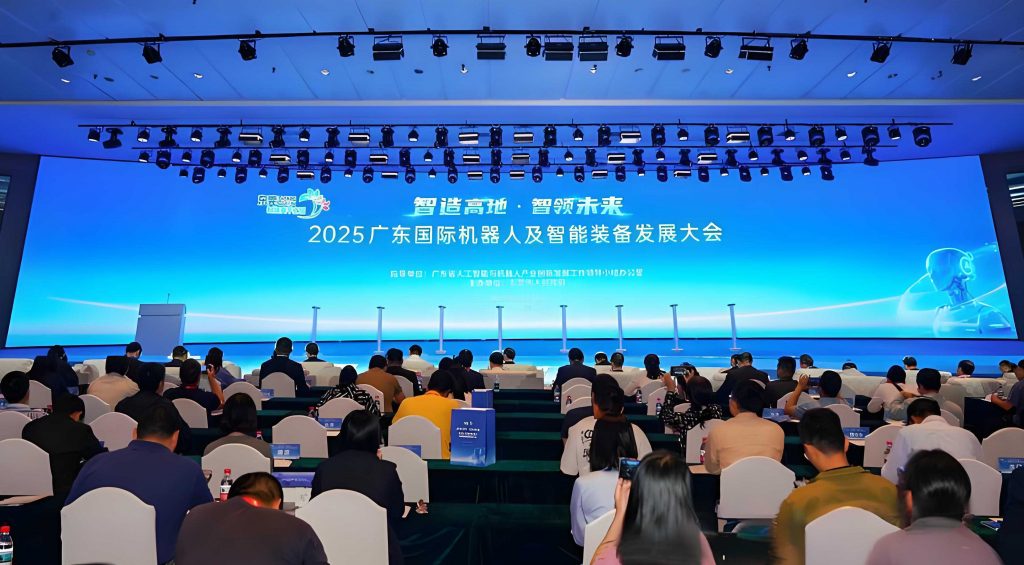
The China robot industry has become a central pillar in China’s economic transformation strategy. With rapid technological progress and increasing integration into various sectors, from manufacturing to services, the China robot sector is poised to redefine productivity and competitiveness. However, the path forward requires careful navigation of domestic necessities and international dynamics. This news article delves into the research background, necessity analyses, and institutional innovation recommendations to illuminate the trajectory of the China robot industry and its role in fostering emerging industrial growth.
1. Research Background
The concept of strategic emerging industries is fundamental to China’s shift toward a more sustainable and innovative economy. These industries are defined by their foundation in significant technological breakthroughs and pressing developmental needs. Encompassing fields such as new-generation information technology, energy conservation and environmental protection, new energy, biotechnology, high-end equipment manufacturing, new materials, and new-energy vehicles, they are characterized by high knowledge and technology intensity, low material resource consumption, substantial growth potential, and comprehensive benefits. The rise of these sectors is instrumental in shifting China’s economic model away from a reliance on scale expansion, excessive resource use, and environmental degradation toward a sustainable paradigm emphasizing efficiency, quality, and效益. Within this broad spectrum, the China robot industry stands out as a critical component of high-end equipment manufacturing, driving intelligent transformation across the economy.
1.1 Connotation of Strategic Emerging Industries: Strategic emerging industries represent a deliberate pivot from traditional growth drivers. They are not merely new sectors but are strategically selected based on their potential to address national challenges and seize future opportunities. For China, these industries are vital for escaping the middle-income trap and achieving high-quality development. The China robot industry, as a subset of high-end equipment manufacturing, epitomizes this strategic focus. By integrating advanced technologies such as artificial intelligence, IoT, and precision engineering, the China robot sector aims to revolutionize production processes, enhance service delivery, and foster innovation. The development of the China robot industry aligns with broader goals of reducing resource dependency, improving environmental outcomes, and boosting economic resilience.
1.2 Necessity Analysis: The imperative to develop strategic emerging industries stems from both domestic economic realities and international pressures. This analysis highlights the dual necessity of fostering strategic emerging industries and specifically advancing the China robot industry.
- Economic Reasons: Innovation is the bedrock of sustained national progress. Since its reform and opening-up, China has ascended to become the world’s manufacturing hub, yet this dominance is qualitatively flawed. The “large but not strong” characterization underscores a reliance on low-value-added activities, limited innovation, and a position in the lower echelons of global value chains. To transition from manufacturing giant to powerhouse, China must embrace new development philosophies and continuously engage with unfolding economic and technological revolutions. The China robot industry is a critical vehicle for this transition, offering pathways to enhance productivity, foster innovation, and move up the value chain. By investing in robotics, China can address productivity gaps, reduce inefficiencies, and create higher-value products, thereby elevating its economic standing.
- International Environment: The global industrial landscape is in flux. Developed nations are championing new industrial revolutions, with robotics often at the forefront. The United States, for instance, regards robot industry advancement as a cornerstone of its “re-industrialization” strategy, aiming to reshore manufacturing and bolster technological leadership. Similarly, countries like Germany with Industry 4.0 and Japan with robotic innovation initiatives are setting high standards. Simultaneously, developing countries are accelerating their industrialization, competing on cost and scale. This dual pressure—advanced technology from above and low-cost competition from below—squeezes China’s traditional manufacturing base. Thus, accelerating industrial upgrading, nurturing strategic emerging industries like the China robot sector, and leveraging green manufacturing, intelligent upgrades, and smart technologies are not just advisable but urgent for maintaining competitive parity and achieving sustainable growth. The China robot industry must evolve rapidly to keep pace with global trends and secure a leadership role.
1.3 Necessity of Developing the Robot Industry: Specific drivers underscore the urgency of fostering the China robot industry. These factors highlight why the China robot sector is not just an economic opportunity but a societal imperative.
- Gradual Disappearance of Demographic Dividend and Population Aging: Demographic shifts are reshaping societies worldwide. China, after decades of benefiting from a vast labor force, now faces a shrinking working-age population and rapid aging. The elderly cohort is expanding, straining healthcare and social security systems. A shortage of care personnel exacerbates the challenge, leading to conflicts between rising elderly needs and limited medical resources. Here, service and medical robots present a viable solution. By deploying robots for elderly assistance, rehabilitation, and medical procedures, China can mitigate caregiver shortages, improve service quality, and address social welfare needs. The development of such robots is thus not just an industrial opportunity but a societal imperative for China robot integration. For instance, robotic aides in nursing homes or surgical robots in hospitals can enhance care efficiency and safety, making the China robot industry a key player in tackling aging-related challenges.
- Rising Labor Costs and Declining Labor Supply: Economic development has driven up wages, particularly in coastal manufacturing hubs. Surveys indicate that labor costs now erode thin profit margins in labor-intensive industries, with many manufacturers operating at gross margins below 5%. Even minor wage increases can render operations unviable, impacting competitiveness. Compounding this, the demographic dividend is waning, leading to labor shortages. Younger generations, with altered work expectations, are less inclined toward factory jobs, making recruitment difficult for traditional manufacturing roles. Automation, through robots, offers a respite. By replacing human labor with machines, manufacturers can stabilize costs, ensure production continuity, and enhance efficiency. The China robot industry is pivotal in providing these automation solutions, making its growth essential for sustaining manufacturing competitiveness. As businesses recognize the necessity of automation, demand for China robot technologies surges, driving industry expansion.
- Manufacturing Industry Upgrade: Beyond cost savings, robots enable qualitative leaps in manufacturing. Industrial restructuring and policy support have catalyzed the China robot industry’s expansion. Robots enhance precision, reduce errors, lower defect rates, and improve safety by taking over hazardous tasks. As China continues to invest in R&D, the costs of robot adoption are expected to decline, making automation accessible to more enterprises. This not only cuts manufacturing expenses but also boosts flexibility, allowing for customized production and faster response to market changes. The widespread application of China robot systems in industries like automotive, electronics, and logistics demonstrates their transformative potential. By integrating robotics, China can shift from labor-intensive models to technology-driven manufacturing, enhancing its global standing. The vast potential of the China robot market lies in its ability to transform manufacturing from a cost-centric to a value-driven endeavor, fostering long-term economic resilience.
2. Institutional Innovation Recommendations
To realize the full potential of the China robot industry, institutional innovations are paramount. These encompass both market cultivation and regulation mechanisms, designed to create a supportive ecosystem for growth. The following recommendations outline strategies for fostering the China robot sector through policy, incentives, and legal frameworks.
2.1 Market Cultivation Institutional Innovation—Effective Industrial Policies and Preferential Measures: Cultivating a thriving robot industry requires proactive government intervention through tailored policies and incentives. These measures aim to stimulate investment, innovation, and market development for the China robot industry.
- Establishment of Industrial Development Special Funds: Financial support is foundational for the China robot industry. Central and local governments should establish dedicated funds channeling capital into the robot ecosystem and related sectors. These funds can foster产业链 integration, bolster leading firms, and build critical infrastructure such as R&D centers and testing facilities. By subsidizing technological innovation and commercialization efforts, such funds reduce the financial risks associated with innovation, accelerating breakthroughs and market penetration for the China robot industry. For example, grants or low-interest loans can enable startups to develop cutting-edge China robot solutions, while public-private partnerships can fund large-scale projects. This financial backing ensures that the China robot sector has the resources to compete globally and drive domestic economic transformation.
- Formulation of Industrial Policies Suitable for Robot Industry Development: Policy frameworks must align with the unique needs of the China robot industry. First, policies should incentivize technopreneurship, enabling engineers and scientists to secure funding and launch ventures while protecting their intellectual property. This encourages a culture of innovation within the China robot ecosystem. Second, promote a collaborative model where enterprises lead, academia contributes research, and government facilitates. Encourage universities and research institutes to deepen engagement in robot R&D, with findings rapidly transferred to companies for application. This synergy speeds up innovation cycles and market readiness for China robot products. Third, liberalize import policies to attract foreign expertise, technology, and investment. By welcoming global players, China can diversify its robot market, absorb best practices, and integrate into international supply chains, fostering a dynamic and competitive China robot industry. Adjusting tariffs and streamlining approval processes for advanced robot components can further enhance this integration.
- Corresponding Economic Preferential Policies: Tangible economic incentives complement broader policies for the China robot industry. First, in fiscal and tax policies: For enterprises engaged in China robot technology R&D and application, increase tax deductions for their independent innovation investments, implement partial or full tax exemption policies. Provide financial subsidies to China robot producers to lower production costs and encourage scaling. Further, raise export tax rebate rates for China robot products, incentivizing global market participation and enhancing competitiveness. Second, in investment and financing policies: Encourage local governments to support the China robot industry through flexible methods like equity investments or venture capital funds. Governments can leverage their capital advantages to alleviate funding concerns, enabling firms to focus on R&D and application. This boosts the innovation capacity of the China robot sector. Third, in government procurement and SME support: Governments at all levels should prioritize procurement of domestic China robot products or set quotas for their use. This creates stable demand, encouraging quality improvements and market confidence. Simultaneously, implement support policies for SMEs in the China robot industry, offering funding, technical assistance, and market access to foster a vibrant ecosystem. Encouraging mergers and collaborations can also strengthen the China robot industry’s structure and sustainability.
2.2 Market Regulation Institutional Innovation—Formulation of Laws, Regulations, and Industry Standards: As the China robot industry expands, regulatory frameworks must evolve to ensure order, safety, and trust. Standardization and legal clarity are crucial for long-term growth.
- Industry Standard Construction: Standardization is urgent for the China robot industry. Currently, hardware and software interoperability issues arise from proprietary systems, raising costs and hindering integration across different China robot platforms. By establishing national standards for robot design, communication protocols, safety, and performance, China can reduce compatibility barriers, lower entry costs, and foster a cohesive market. Standards also facilitate exports by aligning with international norms, boosting the global competitiveness of China robot products. Accelerating the development of these standards through industry collaboration and government oversight will ensure that the China robot industry operates efficiently and safely, promoting widespread adoption.
- Integration of Institutions: The interdisciplinary nature of the China robot industry demands coordinated governance. Policies from information technology, manufacturing, labor, and safety sectors must converge to support robot development. For instance, data privacy regulations affect AI-driven China robots, while labor laws address human-robot collaboration and workforce transitions. An integrated institutional approach ensures comprehensive support, minimizing regulatory gaps and promoting harmonious growth of the China robot industry. By fostering inter-agency cooperation and policy alignment, China can create a seamless environment for innovation and deployment in the China robot sector.
- Formulation and Improvement of Relevant Laws and Regulations: Legal certainty is crucial for the China robot industry’s stability. Specific laws governing robot safety, liability, ethics, and worker displacement are needed to address emerging challenges. Legislation should define rights and responsibilities for manufacturers, users, and affected workers, providing a stable environment for investment and innovation. For example, laws could mandate safety certifications for China robots or establish guidelines for ethical AI use. By enacting forward-looking laws, China can build confidence among stakeholders and guide the China robot industry toward responsible and sustainable expansion. This legal foundation will also protect consumers and workers, ensuring that the growth of the China robot sector benefits society as a whole.
3. Conclusion
The trajectory of China’s economic transformation is inextricably linked to the fortunes of its emerging industries, with the robot sector occupying a central role. By embracing the dual task of traditional industry upgrade and strategic emerging industry cultivation, China can navigate the complexities of global competition and domestic challenges. The development of the China robot industry is not merely an economic imperative but a strategic necessity to address demographic shifts, labor constraints, and manufacturing modernization. Through institutional innovations—spanning market cultivation policies, economic incentives, standard-setting, and legal frameworks—China can create an enabling environment for robotics to flourish. As the world advances into the Industry 4.0 era, China must seize the moment, leveraging its scale and policy agility to foster a world-leading robot industry. This will not only drive economic prosperity but also cement China’s position as a pioneer in the next industrial revolution, with the China robot industry at its core. The ongoing efforts to understand policy directions and historical contexts will continue to inform strategies for optimizing the growth of the China robot sector, ensuring it contributes significantly to sustainable development and global leadership.
Author: Ding Jiaxin, School of Economics, Zhongnan University of Economics and Law, Wuhan