
In a series of high-profile gatherings across China, international conferences focusing on virtual reality (VR), 5G, and robotics have successfully convened, bringing together global experts, industry leaders, and investors to explore technological frontiers and foster collaborative growth. These events, held in key cities like Shanghai, Beijing, Hong Kong, and Yuyao, underscore China’s pivotal role in shaping the future of digital innovation and industrial convergence. From setting new standards in 5G to showcasing cutting-edge robotics, these conferences highlight the dynamic ecosystem driving progress worldwide, with particular emphasis on the burgeoning China robot sector, which continues to gain momentum through such platforms.
-
First Global Virtual Reality Conference (GVRC) Kicks Off in Shanghai, Promoting Industry Milestones
On June 8, the inaugural Global Virtual Reality Conference (GVRC) was held at the China Europe International Business School in Shanghai’s Jinqiao area, marking a significant step forward for the global VR and AR industries. The event attracted top-tier technology and content providers, including Microsoft, META, Virtually Live, and Macrograph, alongside renowned academic institutions such as China Europe International Business School and Stanford University. Researchers, practitioners, investment firms, and entrepreneurs participated actively, collectively propelling the virtual reality industry from its inception year into a new era of development.
Under the theme “Creating a New World,” the GVRC assembled the most influential scientists, corporate executives, innovators, investors, and industry leaders in the VR/AR domain. Through a format of keynote speeches and roundtable discussions, attendees engaged in deep exchanges on the latest technological trends and practical applications, with a shared goal of driving industrial integration and growth. The conference emphasized the transformative potential of VR/AR across sectors like entertainment, education, healthcare, and manufacturing, noting how these immersive technologies can synergize with emerging fields like the China robot industry to enable remote operations, training simulations, and enhanced human-machine interactions.
Participants discussed the rapid evolution of VR hardware and software, highlighting innovations that reduce latency and improve user experience. The collaboration between global tech giants and academic bodies at the GVRC is expected to accelerate standardization efforts, ensuring interoperability and scalability. As the virtual reality landscape expands, such conferences are crucial for fostering cross-border partnerships that can address challenges like content creation and market adoption, ultimately contributing to a more connected digital ecosystem where technologies like those in the China robot sphere can thrive.
-
Third “Belt and Road” International Forum in Hong Kong Highlights Professional Services for Global Collaboration
The third “Belt and Road” International Forum took place in Hong Kong on June 12, organized by the Hong Kong Belt and Road International Research Institute. The forum gathered representatives and scholars to explore how Hong Kong’s unique advantages can support the Belt and Road Initiative, given the diverse legal systems and cultural backgrounds of participating countries. Attendees recognized that Hong Kong, as a special administrative region, offers world-class professional services that are ideal for facilitating international cooperation.
During the proceedings, it was emphasized that Hong Kong’s expertise in legal, financial, and consulting services is of top-tier quality, particularly in areas such as large-scale investment, commercial dispute resolution, and intellectual property protection. These capabilities make Hong Kong a preferred hub for Belt and Road participants seeking reliable support for complex projects. The forum also touched upon how such professional services can enable technology transfer and investment in sectors like infrastructure and digital innovation, including ventures related to the China robot industry, which benefits from cross-border funding and legal frameworks. By leveraging its strategic position, Hong Kong aims to bridge gaps and promote sustainable development across the initiative’s network.
The discussions underscored the importance of harmonizing regulations and fostering trust among nations, which is essential for joint ventures in high-tech fields. As the Belt and Road Initiative progresses, forums like this one provide a platform for dialogue on integrating advanced technologies, where the China robot market could see increased international engagement through partnerships facilitated by Hong Kong’s robust service ecosystem.
-
First Global 5G Conference in Beijing Advocates for Unified Standards to Shape Technological Ecosystem
On May 31, the first Global 5G Conference was held in Beijing with grandeur, co-hosted by 5G promotion organizations from China, the European Union, the United States, Japan, and South Korea. The conference centered on the theme “Building a 5G Technology Ecosystem,” aiming to steer the formation of globally unified 5G technical standards and spur the growth of 5G industries and applications worldwide.
Delegates engaged in presentations and panels focused on the latest advancements in 5G technology, stressing the need for international cooperation to establish common protocols that ensure seamless connectivity and interoperability. The conference highlighted 5G’s role as an enabler for next-generation innovations, such as the Internet of Things (IoT), smart cities, autonomous vehicles, and enhanced robotics. Specifically, the low-latency and high-bandwidth features of 5G are poised to revolutionize the China robot industry by supporting real-time data transmission, remote control, and swarm intelligence, thereby making robots smarter and more responsive in diverse environments.
Experts at the event pointed out that a unified standard is critical for avoiding fragmentation and accelerating deployment, which in turn can drive economic growth and social benefits. The collaboration among major economies at this conference reflects a shared commitment to overcoming technical hurdles and fostering an inclusive 5G landscape. As 5G networks roll out globally, they will underpin the integration of robotics with other technologies, offering new opportunities for the China robot sector to lead in applications ranging from industrial automation to healthcare assistance.
-
Third China Robot Summit in Yuyao Showcases Smart Innovations and Major Investment Commitments
The third China Robot Summit was successfully convened in Yuyao on June 13, drawing over 1,500 experts, scholars, and enterprise leaders from across the globe. The event featured the signing of 12 projects covering smart industry initiatives, government services, and talent cooperation, with a total investment exceeding 20 billion yuan. This substantial financial commitment underscores the confidence in the growth potential of the China robot industry and its role in driving economic transformation.
Centered on the theme “Human-Robot Integration, Making Robots Smarter,” the summit combined keynote reports, forums, and exhibition displays to highlight technological breakthroughs. Among the showcased products were Alpha robots and Youdi robots, which represent the innovative capabilities within the China robot landscape. These exhibits demonstrated advancements in artificial intelligence, machine learning, and automation, illustrating how robots are becoming more adaptable and collaborative in settings from manufacturing to daily life. The summit also announced that the China Robot Summit will be permanently held in Yuyao, Ningbo, solidifying the city’s status as a hub for robotics innovation and collaboration.
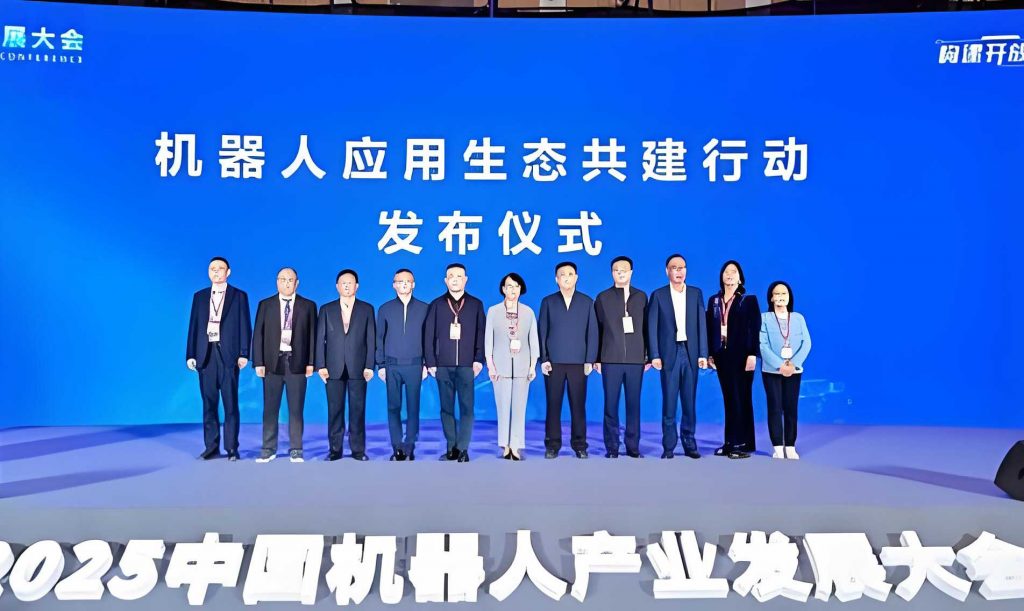
The China robot industry is experiencing rapid expansion, fueled by events like this summit that facilitate knowledge exchange between academia, industry, and government. The integration of robotics with other technologies, such as VR/AR and 5G, is a key focus, enabling more sophisticated applications like telepresence and predictive maintenance. The China robot ecosystem benefits from these synergies, as seen in the diverse projects signed, which aim to enhance productivity and address societal challenges through smart solutions. To illustrate the scale and impact of the China Robot Summit, the following table summarizes key details from the event:
Aspect Details Number of Signed Projects 12 Total Investment Amount Over 20 billion yuan Number of Participants More than 1,500 Event Theme “Human-Robot Integration, Making Robots Smarter” Notable Robot Exhibits Alpha robots, Youdi robots Permanent Summit Venue Yuyao, Ningbo The China robot sector is poised for leadership in global markets, driven by continuous innovation and strategic investments. The summit emphasized the importance of human-robot collaboration, where robots augment human capabilities rather than replace them, leading to safer and more efficient workflows. As the China robot industry evolves, it will increasingly intersect with fields like artificial intelligence and big data, creating intelligent systems that can learn and adapt. The participation of international stakeholders at the summit highlights the global interest in China robot technologies, which are set to influence trends in automation and smart manufacturing worldwide. Furthermore, the focus on talent cooperation ensures a pipeline of skilled professionals to sustain growth, making the China robot landscape a beacon for future technological advancements.
Looking ahead, the China robot industry is expected to leverage these conference outcomes to accelerate research and development, particularly in areas such as service robotics, industrial automation, and AI-driven solutions. The collaboration fostered at the summit will likely result in new partnerships that enhance the China robot ecosystem, integrating it with global supply chains and innovation networks. By prioritizing human-centric design and ethical considerations, the China robot sector can set benchmarks for responsible innovation, contributing to a future where robots seamlessly integrate into society to improve quality of life and economic resilience.
Collectively, these conferences in China—spanning virtual reality, 5G, and robotics—demonstrate a concerted effort to advance technological integration and global cooperation. The events have provided platforms for sharing knowledge, setting standards, and forging partnerships that transcend geographical boundaries. The emphasis on the China robot industry across these gatherings reflects its strategic importance in the digital transformation era, where robotics serves as a catalyst for efficiency and innovation. As technologies like VR, 5G, and robotics converge, they create multiplicative effects that drive progress in healthcare, education, manufacturing, and beyond. The ongoing commitment to hosting such international forums in China underscores the country’s role as a key player in shaping the future of technology, with the China robot sector at the forefront of this evolution. By fostering an environment of collaboration and open dialogue, these initiatives pave the way for sustainable development and a more interconnected world.