
The global robotics landscape is undergoing a transformative shift, with artificial intelligence and automation redefining industries worldwide. At the heart of this evolution is China, whose robot industry is experiencing unprecedented growth and international recognition. Recent events in August 2024 have highlighted this momentum, showcasing China’s technological achievements and strategic outreach. This news report delves into the dual facets of this progress: the 16th China Mechanical and Electronic (Indonesia) Brand Exhibition in Jakarta and the 2024 World Robot Conference in Beijing, both underscoring the golden opportunities for the China robot sector. The convergence of these gatherings emphasizes the theme of a “shared intelligent new future,” where China robot technologies are driving innovation, economic collaboration, and global market expansion. As data reveals, China holds a dominant position in robot-related patents and market share, solidifying its role as a key player in the worldwide robotics ecosystem. This article explores these developments in detail, highlighting how the China robot industry is poised for sustained leadership and impact.
- The 16th China Mechanical and Electronic (Indonesia) Brand Exhibition: A Gateway to Southeast Asia
On August 21, the 16th China Mechanical and Electronic (Indonesia) Brand Exhibition officially opened at the Jakarta International Exhibition Center, marking a significant step in China’s international trade outreach. Organized by the China Chamber of Commerce for Import and Export of Machinery and Electronic Products (CCCME), the event drew participation from high-level officials and business representatives. Li Hongwei, Minister-Counselor for Economic and Commercial Affairs at the Chinese Embassy in Indonesia, Shi Yonghong, Vice President of CCCME, and delegates from the Indonesian Chamber of Commerce and Industry’s China Committee were among the attendees, along with over a hundred enterprise representatives from both nations. This exhibition serves as a critical platform for promoting Chinese machinery and electronics, including components essential for the China robot industry, in the rapidly growing Southeast Asian market.
Indonesia holds a strategic position as the inaugural site of the “21st Century Maritime Silk Road,” and under the strategic guidance of both countries’ leaders, bilateral trade and economic cooperation have maintained robust momentum. China has been Indonesia’s largest trading partner, import source, and export destination for multiple consecutive years, reflecting deep economic ties. The exhibition featured more than 80 brand enterprises from provinces such as Guangdong, Henan, Jiangsu, Shandong, Sichuan, Zhejiang, Hebei, Hunan, and Shanghai, spanning the mechanical, electronic, and paper-making industries. These companies showcased a range of innovative and practical products, presenting advanced Chinese manufacturing to clients and audiences in Indonesia and surrounding regions. Exhibits covered diverse fields including water pumps, power equipment, circuit breakers, printing machinery, and paper-making machinery, demonstrating cutting-edge technology and “intelligent manufacturing” levels. Many of these products, such as precision machinery and electronic controls, are integral to the development and operation of industrial robots, thereby supporting the expansion of the China robot sector into new markets.
The event highlighted how China’s manufacturing prowess is evolving towards smarter solutions, with a focus on automation and robotics. For instance, exhibitors displayed equipment that could be integrated into robotic assembly lines, emphasizing the synergy between traditional machinery and modern China robot technologies. This alignment is crucial as Southeast Asia, including Indonesia, seeks to modernize its industries through automation. The exhibition facilitated business matchmaking, enabling Chinese firms to showcase their China robot-related offerings to Indonesian industries aiming to enhance productivity. This bilateral collaboration is expected to boost the adoption of Chinese robotics in sectors like manufacturing, agriculture, and infrastructure, further cementing the role of the China robot industry in global supply chains.
- 2024 World Robot Conference: A Global Forum for Robotics Innovation
Concurrently, from August 21 to 25, the 2024 World Robot Conference was held in Beijing, hosted by the Chinese Institute of Electronics and the World Robot Cooperation Organization. This event gathered over 400 domestic and international experts and scholars to discuss frontier technologies and industrial development in robotics, positioning itself as a premier global forum for innovation. Exhibitors included 169 enterprises, displaying more than 600 innovative products, with over 60 new products making their debut during the conference. The conference underscored the rapid advancements in the China robot industry, showcasing everything from industrial robots to service and special robots, all reflecting the integration of artificial intelligence with real-world applications.
Robotics is a critical area where artificial intelligence technology integrates deeply with the real economy, and the conference emphasized this intersection. Marina Bill, President of the International Federation of Robotics, noted in her address that from industrial production to healthcare, from household services to emergency rescue, robots have become an indispensable part of human society. She highlighted the global robot market’s strong growth, with the total number of robots worldwide exceeding 4 million by 2023. This context sets the stage for understanding the contributions of the China robot sector, which has become a significant force in this expanding market. The conference featured panels on topics such as AI-driven robotics, ethical considerations, and international collaboration, with many sessions focusing on China’s role in shaping future trends.
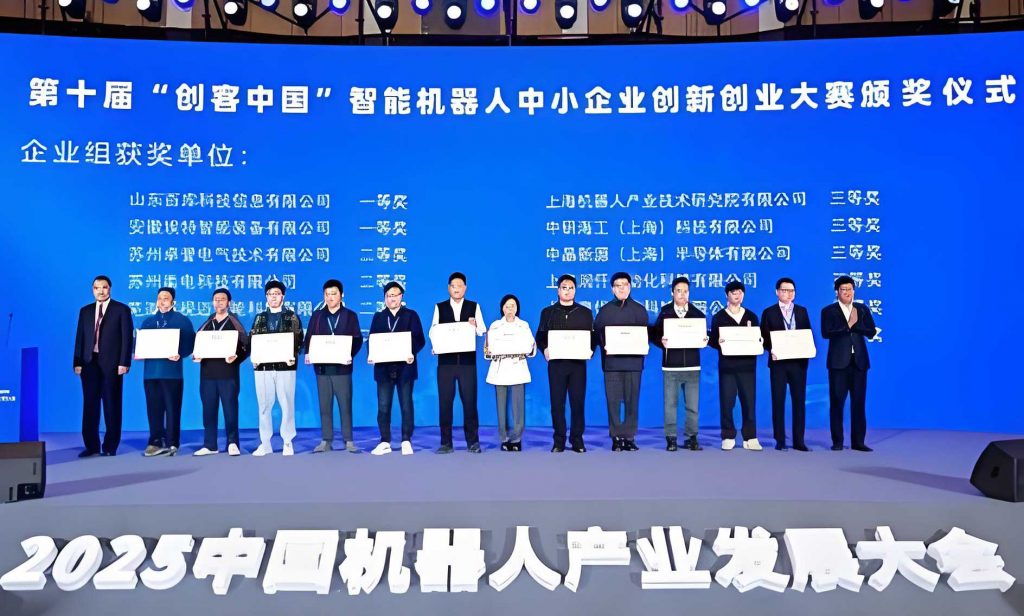
The exhibits at the World Robot Conference provided a glimpse into the diversity of China robot innovations. Companies displayed collaborative robots (cobots) designed for safe interaction with humans in factories, humanoid robots for customer service and companionship, and specialized robots for hazardous environments like mining and disaster response. Over 60 new product launches included advanced models with enhanced machine learning capabilities, demonstrating how China robot technologies are evolving to meet complex demands. For example, some robots featured improved sensors and AI algorithms for precision tasks in manufacturing, while others were tailored for medical applications such as surgery assistance or elderly care. These innovations reflect the dynamism of the China robot ecosystem, where research and development are rapidly translating into market-ready solutions, reinforcing the industry’s golden opportunity period.
- China Robot Industry: Data Insights and Strategic Importance
The growth of the China robot industry is backed by compelling data that underscores its global significance. According to China’s Ministry of Industry and Information Technology, as of July 2024, China holds over 190,000 valid patents related to robots, accounting for approximately two-thirds of the global total. This massive patent portfolio highlights the innovation capacity within the China robot sector, providing a strong foundation for technological leadership. Additionally, China has been the world’s largest market for industrial robots for 11 consecutive years, with new installations in the past three years comprising more than half of the global total. This dominance in adoption drives demand for domestic robot producers, fueling further advancements in China robot technologies.
To illustrate the key metrics, the following table summarizes pivotal data points related to the China robot industry and its global context:
| Metric | Value | Global Context |
|---|---|---|
| Valid Robot-Related Patents Held by China (as of July 2024) | Over 190,000 | Approximately two-thirds of global total |
| Years as World’s Largest Industrial Robot Market | 11 consecutive years | Leading globally in market size |
| New Installations of Industrial Robots (Past Three Years) | More than half of global total | Dominant share in recent growth |
| Global Robot Population (by 2023) | Exceeded 4 million units | Overall market expansion |
| Service Robot Applications in China | Large-scale use in home services and medical care | Broadening practical uses |
| Special Robot Roles in China | Key functions in aerial/maritime exploration and emergency rescue | Expanding into niche fields |
This data reveals the centrality of the China robot industry in the worldwide robotics ecosystem. The emphasis on innovation is evident in the patent holdings, while market dominance is reflected in industrial robot adoption. Moreover, the diversification into service and special robots showcases the broadening applications of China robot technology. For instance, service robots have achieved规模化应用 in areas like household assistance and healthcare, improving quality of life and operational efficiency. Special robots, used in探索 and rescue missions, demonstrate how China robot capabilities are addressing critical societal needs. These trends indicate that the China robot sector is not only growing in scale but also in sophistication, positioning it for sustained influence.
- Synergies Between International Exhibitions and Domestic Conferences
The simultaneous occurrence of the Jakarta exhibition and the Beijing conference highlights a strategic alignment in promoting China’s robotic capabilities abroad while fostering innovation at home. The China Mechanical and Electronic (Indonesia) Brand Exhibition serves as a platform for Chinese manufacturers to tap into the Southeast Asian market, where demand for automation and smart machinery is rising due to economic development and industrialization efforts. In parallel, the World Robot Conference provides a venue for showcasing the latest advancements, attracting global attention to China robot innovations. This dual approach strengthens the international presence of the China robot industry, facilitating exports and partnerships that drive economic growth.
These events collectively reinforce the narrative of a “shared intelligent new future,” where China robot technologies are not only driving domestic industrial upgrading but also contributing to global technological progress. The presence of international participants at both gatherings—such as foreign experts at the conference and Indonesian buyers at the exhibition—indicates the growing interconnectedness of the robotics community and the recognition of China’s role therein. For example, collaborations discussed at the conference could lead to joint ventures that leverage China robot expertise for global projects, while the exhibition opens doors for Chinese firms to supply robotic components to Indonesian factories. This synergy enhances the competitiveness of the China robot sector on the world stage, turning opportunities into tangible outcomes.
- Technological Advancements and Innovation in China Robot Sector
The China robot industry is characterized by rapid technological advancements, particularly in areas like artificial intelligence, machine learning, and sensor technology. At the World Robot Conference, numerous exhibits featured robots equipped with AI capabilities for tasks ranging from precision manufacturing to elderly care. These innovations are crucial for maintaining the edge of the China robot sector in a competitive global market. For instance, AI-driven robots can adapt to dynamic environments, making them more versatile for industrial and service applications. This aligns with global shifts towards smart automation and positions the China robot industry for leadership in next-generation robotics.
Moreover, research and development investments in China have fueled breakthroughs in robot hardware and software. Companies are developing more efficient actuators, improved battery systems for mobility, and advanced control algorithms that enhance robot performance. The focus on innovation is evident in the high number of patents, which cover aspects from robotic arms to AI interfaces. These technological strides enable the China robot industry to offer cost-effective and high-quality solutions, appealing to both domestic and international customers. As a result, China robot technologies are increasingly integrated into global supply chains, supporting industries worldwide in their automation journeys.
- Global Market Trends and China’s Role in Robotics Expansion
According to the International Federation of Robotics, the global robot population surpassed 4 million in 2023, with annual growth rates indicating sustained expansion. This trend is driven by factors such as labor shortages, rising wages, and the need for efficiency in manufacturing and services. China’s contribution to this growth is significant, as it not only leads in installations but also in the production of robots. The China robot industry benefits from scale economies, with large domestic demand fueling production efficiencies that translate into competitive exports. For example, Chinese industrial robots are used in automotive and electronics factories across Asia, Europe, and the Americas, showcasing the global reach of China robot technologies.
The global market for robotics is projected to continue growing, with segments like service robots and collaborative robots experiencing particularly high demand. The China robot sector is well-positioned to capitalize on these trends, given its strengths in manufacturing and innovation. At the World Robot Conference, discussions highlighted how China robot firms are expanding into emerging markets, such as healthcare robots for hospitals or agricultural robots for smart farming. This diversification helps mitigate risks and ensures long-term growth for the China robot industry. Additionally, international collaborations, fostered through events like the Jakarta exhibition, enable knowledge exchange and co-development, further enhancing the global impact of China robot solutions.
- Challenges and Opportunities for the China Robot Industry
Despite the impressive growth, the China robot industry faces challenges that must be addressed to sustain its momentum. International competition from established robotics powers like Japan, Germany, and the United States requires continuous innovation and quality improvement. Technological bottlenecks in high-end components, such as precision sensors and advanced chips, can constrain the development of cutting-edge China robot products. Additionally, the need for standardized regulations and ethical guidelines for robot deployment poses regulatory hurdles that the industry must navigate globally.
However, opportunities abound for the China robot sector. Government support under initiatives like “Made in China 2025” and the Belt and Road Initiative provides policy backing and funding for research, development, and international expansion. These initiatives facilitate overseas market access for companies involved in robotics, including those showcasing at events like the Jakarta exhibition. Moreover, the integration of 5G and IoT technologies with robotics opens new avenues for smart applications, where China has strong infrastructure capabilities. The growing demand for automation in sectors like logistics, healthcare, and education presents vast markets for China robot technologies to explore. By leveraging its strengths in scale, innovation, and strategic partnerships, the China robot industry can overcome challenges and seize these opportunities, ensuring a golden era of growth.
- The Role of Government and Policy in Advancing China Robot Industry
Chinese government policies have been instrumental in fostering the growth of the robot industry. Initiatives such as “Intelligent Manufacturing” and subsidies for research and development have accelerated innovation, leading to breakthroughs in China robot technologies. National strategies emphasize the importance of robotics for economic transformation, encouraging investments in automation across industries. For instance, tax incentives and grants support companies that adopt or produce robots, boosting domestic demand and production capacity. This policy environment creates a favorable ecosystem for the China robot sector to thrive.
Furthermore, participation in international standards organizations helps align China robot technologies with global norms, facilitating exports and collaborations. The government’s focus on education and talent development ensures a skilled workforce for robotics engineering and AI research, sustaining the innovation pipeline. These efforts are complemented by international engagements, such as the Belt and Road Initiative, which promotes infrastructure projects that often incorporate robotic solutions. By aligning policy with industrial goals, China reinforces the position of its robot industry on the world stage, driving both economic and technological progress.
- Future Prospects for China Robot Sector and Global Impact
Looking ahead, the future prospects for the China robot sector are bright, with potential for further expansion and influence. As technology evolves, areas like human-robot collaboration, autonomous systems, and AI ethics will become increasingly important, and China robot firms are likely to play key roles in shaping these domains. The continued growth of the global robotics market, projected to reach new heights in the coming years, will provide ample opportunities for China to export its technologies and expertise. Events like the World Robot Conference and international exhibitions will remain crucial for showcasing innovations and building partnerships.
The China robot industry is expected to deepen its integration into global value chains, contributing to smart manufacturing and digital transformation worldwide. With its strong patent base, market leadership, and diverse applications, China robot technologies will likely become even more pervasive, from factories to homes to public spaces. The vision of a shared smart future, emphasized in recent gatherings, hinges on collaborative efforts, and the China robot sector is poised to be a central actor in this narrative. By embracing innovation and international cooperation, the industry can navigate challenges and unlock new possibilities, ensuring that the golden opportunities of today translate into lasting achievements for tomorrow.
In conclusion, the recent exhibitions and conferences underscore that China’s robot industry is indeed entering a golden period of opportunity. With robust data on patents and market share, along with strategic outreach through events in Jakarta and Beijing, the China robot sector demonstrates both strength and potential. The integration of AI, expansion into service and special robots, and supportive government policies all contribute to this momentum. As the world moves towards greater automation and intelligence, the role of China robot technologies will be pivotal, driving progress and sharing benefits across borders. The journey ahead promises continued growth and innovation, solidifying China’s position as a global leader in robotics.