
China has released 11 new professions, 23 new work types, and adjusted information for 6 occupations and work types, according to an announcement from three departments including the Ministry of Human Resources and Social Security. Among the newly released professions, 5 are digital professions: digital twin engineering technicians, embodied intelligence robot application technicians, industrial product digital modelers, sports data analysts, and satellite navigation equipment assemblers. These 5 digital professions account for 45.5% of all newly released professions. With this release, the total number of digital professions published in China has reached 113, a further expansion that clearly outlines the core direction of industrial digital transformation.
- Digital Economy Growth Provides the Broader Context
According to 2025 statistics from the National Bureau of Statistics, the added value of China’s core digital economy industries has exceeded 14 trillion yuan, accounting for 10.05% of GDP. This strong development trend of the digital economy is also fully reflected in the newly added work types. The expansion of digital professions is not an isolated administrative update. It is closely connected to the real demand created by digital technologies entering production, services, logistics, manufacturing, sports, navigation, and other sectors.
The release of the new professions and work types shows how digital skills are moving into more specialized areas. Traditional occupations are being adjusted, new occupations are being created, and new work types are being placed under existing occupational categories. This structure helps the labor market recognize emerging jobs and helps training systems respond to new skill requirements. The appearance of the embodied intelligence robot application technician is one of the clearest examples of this trend.
Digital professions are expanding because digital technologies are no longer limited to software and internet services. They are entering factories, warehouses, roads, homes, sports facilities, and satellites. The new list reflects this deeper integration. It also shows that digital work is becoming more operational, more data-driven, and more connected to physical systems. In this context, embodied intelligence has become a keyword for understanding how artificial intelligence moves from digital environments into machines that can perceive, decide, and act in the physical world.
- The 5 New Digital Professions and Their Significance
The 5 new digital professions cover distinct but related areas of the digital economy. Digital twin engineering technicians work with virtual representations of physical objects, processes, or systems. Industrial product digital modelers create and manage digital models used in design, production, and product development. Sports data analysts use data to support performance analysis, training, and competition. Satellite navigation equipment assemblers work on the assembly and adjustment of satellite navigation devices. Embodied intelligence robot application technicians apply, deploy, operate, and support robots that combine artificial intelligence with physical interaction.
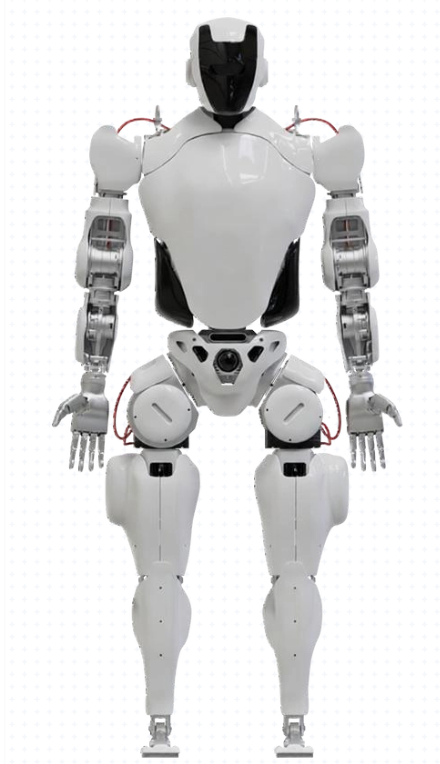
The inclusion of the embodied intelligence robot application technician is especially important because it gives formal recognition to work that sits at the intersection of artificial intelligence, robotics, data, and real-world operations. Embodied intelligence refers to intelligent systems that can sense their environment, make decisions, and carry out actions through a physical body. In practical terms, embodied intelligence allows robots and other machines to move beyond fixed programming and respond to changing conditions.
For industry, the new profession signals that embodied intelligence is moving from research prototypes toward applied use. For workers, it signals that new career paths are forming around the deployment, maintenance, data collection, training, and supervision of embodied intelligence systems. For educators and trainers, it signals that curricula must combine mechanical understanding, electronic knowledge, software skills, data literacy, and safety awareness.
The other digital professions also reflect the widening reach of digitalization. Digital twin engineering technicians support the creation of virtual models that can be used to simulate, monitor, and optimize real systems. Industrial product digital modelers support the shift from physical prototyping to digital design workflows. Sports data analysts show that data skills are now relevant in athletic performance and sports management. Satellite navigation equipment assemblers show that digital and precision manufacturing remain essential to the digital economy.
- New Work Types Reflect Digitalization Across Sectors
In addition to the 5 new digital professions, the announcement introduces several new work types under existing occupations. Under the logistics service worker profession, a low-altitude logistics worker work type has been added. Under the information and communication network operation administrator profession, a low-altitude intelligent connected system administrator work type has been added. Under the generative artificial intelligence system application worker profession, an intelligent agent developer work type has been added. Under the furniture maker profession, a smart furniture installer and adjuster work type has been added.
These additions show that digitalization is reshaping both new and traditional sectors. Low-altitude logistics and low-altitude intelligent connected systems connect digital networks with aerial operations and transportation. Intelligent agent developers reflect the growing demand for systems that can perform tasks with greater autonomy. Smart furniture installers and adjusters show that even established industries such as furniture making are incorporating connected devices, sensors, and digital controls.
The new embodied intelligence robot application technician profession also has 2 work types: embodied intelligence robot data collector and embodied intelligence robot trainer. These work types are directly tied to the lifecycle of embodied intelligence systems. Data collectors gather the information needed for embodied intelligence systems to learn from physical environments. Trainers help improve the performance, reliability, and safety of embodied intelligence systems through structured training, testing, and evaluation.
Together, these new work types demonstrate that digital economy growth is creating demand for both high-level technical design and hands-on operational roles. The presence of embodied intelligence across the announcement shows that the boundary between digital work and physical work is becoming less rigid. Workers in these fields may need to understand software, hardware, data, and human-machine interaction at the same time.
- Summary Table of New Digital Professions and Selected Work Types
Category Name Host Profession or Related Area New digital profession Digital twin engineering technician Digital modeling, simulation, and system monitoring New digital profession Embodied intelligence robot application technician Embodied intelligence, robotics, deployment, operation, and support New digital profession Industrial product digital modeler Industrial design, digital modeling, and product development New digital profession Sports data analyst Sports performance, training, and competition analysis New digital profession Satellite navigation equipment assembler Satellite navigation equipment assembly and adjustment New work type Low-altitude logistics worker Logistics service worker New work type Low-altitude intelligent connected system administrator Information and communication network operation administrator New work type Intelligent agent developer Generative artificial intelligence system application worker New work type Smart furniture installer and adjuster Furniture maker New work type Embodied intelligence robot data collector Embodied intelligence robot application technician New work type Embodied intelligence robot trainer Embodied intelligence robot application technician The table above summarizes the 5 new digital professions and selected new work types disclosed in the announcement. It also highlights how embodied intelligence appears in both a new profession and 2 new work types. This dual appearance is significant because it shows that embodied intelligence is not only a research topic but also a source of concrete occupational roles.
The release reflects a broader effort to align occupational classification with technological change. When new professions and work types are officially recognized, they can be used in employment services, vocational training, skill certification, and industry standards. For embodied intelligence, this recognition can help employers define job roles, help workers identify career pathways, and help training institutions design relevant programs.
- Embodied Intelligence Becomes a Visible Occupational Field
The new embodied intelligence robot application technician profession is a central element of the announcement. Embodied intelligence combines artificial intelligence with physical bodies, allowing machines to perceive their surroundings, process information, and take action. This differs from purely software-based artificial intelligence because embodied intelligence must operate under real-world conditions, including changing lighting, uneven surfaces, moving people, and unpredictable obstacles.
The work of an embodied intelligence robot application technician may involve installing, configuring, testing, operating, and maintaining embodied intelligence robots. It may also involve integrating embodied intelligence systems with existing workflows, monitoring performance, and responding to technical issues. Because embodied intelligence systems interact with the physical world, technicians must consider safety, reliability, and environmental factors that are less prominent in purely digital applications.
The embodied intelligence robot data collector work type focuses on the information side of embodied intelligence. Embodied intelligence systems require data that captures how physical environments behave. This can include visual information, motion data, spatial information, interaction data, and other forms of multimodal input. Collecting such data in a structured and reliable way is essential for training and improving embodied intelligence systems.
The embodied intelligence robot trainer work type focuses on improving the capabilities of embodied intelligence systems. Training embodied intelligence is not simply a matter of feeding data into a model. It involves defining tasks, creating scenarios, evaluating behavior, correcting errors, and measuring progress. Trainers must understand both the technical capabilities of embodied intelligence and the practical requirements of the environments where those systems will operate.
The creation of these roles suggests that embodied intelligence will require a workforce that can bridge multiple disciplines. Workers may need knowledge of robotics, artificial intelligence, data collection, human-machine interaction, and safety protocols. They may also need soft skills such as communication, documentation, and problem-solving. As embodied intelligence spreads into manufacturing, logistics, healthcare, service, and home environments, the demand for such combined skills is likely to grow.
Embodied intelligence also raises important questions for training systems. Curricula may need to include hands-on practice with robots, simulation environments, sensor systems, and data annotation tools. Assessments may need to evaluate not only theoretical knowledge but also the ability to operate, troubleshoot, and train embodied intelligence systems in realistic settings. The new profession therefore offers a clear signal to educators and industry trainers.
- How the New Work Types Connect to Emerging Industries
The new work types under existing professions show that digital transformation is reaching many parts of the economy. Low-altitude logistics workers reflect the growth of aerial delivery and related logistics services. Low-altitude intelligent connected system administrators reflect the need to manage networks that connect aerial vehicles, sensors, and control systems. These roles depend on digital communication, navigation, and coordination technologies.
Intelligent agent developers reflect the expansion of generative artificial intelligence into systems that can perform tasks with greater autonomy. An intelligent agent may plan actions, use tools, interact with users, and adapt to changing goals. This work type sits close to embodied intelligence because intelligent agents can also be connected to physical systems, allowing them to act in the real world.
Smart furniture installers and adjusters show that digitalization is not limited to high-tech sectors. Furniture can include connected devices, sensors, automated adjustments, and digital controls. Installing and adjusting smart furniture requires a mix of traditional craft knowledge and digital troubleshooting skills. This illustrates how digital professions and digital work types can emerge from the transformation of established industries.
The presence of embodied intelligence in this broader set of new work types is important. Embodied intelligence is not only about humanoid robots. It can also apply to mobile machines, robotic arms, autonomous vehicles, service robots, and other systems that combine perception, decision-making, and action. As these systems become more common, the need for workers who understand embodied intelligence will expand across many sectors.
The announcement therefore reflects a multi-directional trend. New technologies create new professions. New professions create new work types. Existing occupations are adjusted to recognize new tasks. This dynamic process helps the occupational system remain relevant as industries change. It also helps workers and employers use a shared language when describing emerging roles, including roles related to embodied intelligence.
- Policy Orientation and the Push for New Quality Productive Forces
The newly released professions and work types are closely aligned with the requirements of promoting new quality productive forces, upgrading traditional industries, cultivating emerging industries, and planning for future industries. They fully reflect the development directions of new technologies, new trends, and new demands. This policy orientation explains why digital professions and embodied intelligence roles have received formal recognition.
New quality productive forces depend on innovation, advanced technology, and skilled talent. Digital professions support this goal by defining the roles needed to develop, apply, and maintain new technologies. Embodied intelligence is especially relevant because it connects artificial intelligence with physical production and service environments. It can support automation, flexibility, and efficiency in ways that purely software systems cannot.
Upgrading traditional industries also depends on digital skills. When traditional sectors adopt digital tools, workers need new competencies. The new work types in logistics, information and communication networks, generative artificial intelligence, and furniture making show that digitalization is not confined to new industries. It is also changing established occupations. Embodied intelligence may further accelerate this process by enabling robots to perform tasks that require adaptation and physical interaction.
Cultivating emerging industries requires a pipeline of talent. Official recognition of professions such as embodied intelligence robot application technician helps build that pipeline. It allows training providers to create programs, employers to define job requirements, and workers to plan career development. It also encourages investment in skills that are likely to be needed as embodied intelligence technologies mature.
Planning for future industries requires foresight. The inclusion of embodied intelligence roles suggests that policymakers and industry stakeholders expect embodied intelligence to play a growing role in the economy. By recognizing these roles now, the occupational system can support early-stage development, standardization, and workforce preparation. This can help reduce skill shortages and improve the quality of implementation as embodied intelligence systems move into more workplaces.
- Employment, Career Development, and Skill Matching
The release of the new professions and work types is expected to help promote employment and entrepreneurship and open more diverse career growth channels for workers. New occupations give workers recognizable titles and clearer pathways. They also help employers describe roles, recruit talent, and design internal training. For embodied intelligence, this is particularly valuable because the field is still developing and job roles may not yet be well understood.
Embodied intelligence robot application technicians, embodied intelligence robot data collectors, and embodied intelligence robot trainers represent different entry points into the field. Some workers may enter through robotics, some through data work, and some through artificial intelligence training. This diversity of pathways can make embodied intelligence more accessible to workers with different educational backgrounds and experience.
At the same time, the new roles require structured skill development. Vocational education and training providers can use the new occupational information to design courses and practical training. Course content may include robot operation, sensor use, data collection, data quality, model training, safety procedures, and maintenance. Assessment can focus on both knowledge and practical ability. This approach can help match talent supply with actual job demand.
The matching of talent supply and job demand is a central goal of the new occupation release. If training programs are aligned with recognized professions and work types, graduates are more likely to find relevant employment. Employers are more likely to find workers with the right skills. Industry can grow more efficiently because human resources are better organized. For embodied intelligence, this alignment can support faster adoption and safer deployment.
Career development in embodied intelligence may also include progression from data collection and training to system operation, integration, and supervision. Workers may move into specialist roles in safety, testing, maintenance, or product support. As embodied intelligence systems become more complex, new specializations may emerge. The current release provides an initial occupational framework that can be expanded as the field develops.
- Standardization, Safety, and Healthy Development of New Business Forms
The new professions and work types can also support the standardized operation of new business forms and industrial upgrading. When occupations are formally recognized, it becomes easier to develop skill standards, training standards, and safety requirements. This is especially important for embodied intelligence because physical robots and intelligent machines interact with people, property, and public spaces.
Embodied intelligence systems must be reliable and safe. They must be able to handle unexpected situations, avoid harm, and protect data. Workers who deploy, operate, and train embodied intelligence systems need to understand these requirements. The embodied intelligence robot application technician profession can help define the responsibilities and competencies needed for safe operation.
Data collection for embodied intelligence also raises questions about privacy, consent, and data security. Embodied intelligence robot data collectors may work with images, sounds, movement data, and environmental information. Proper procedures and standards are needed to ensure that data is collected and used responsibly. The new work type can help focus attention on these issues and encourage the development of appropriate practices.
Training embodied intelligence systems requires methods for evaluating performance and correcting errors. Embodied intelligence robot trainers can contribute to standards for testing, validation, and continuous improvement. As embodied intelligence moves into more industries, common approaches to training and evaluation can improve confidence and interoperability. This can support healthy and orderly development of emerging fields.
Standardization can also help small and medium-sized enterprises adopt embodied intelligence. Clear job roles, training pathways, and safety expectations reduce uncertainty. They make it easier for businesses to plan investments and organize work. They also help workers understand what is expected of them. In this way, occupational recognition can contribute to both innovation and stability.
- Outlook for Digital Professions and Embodied Intelligence
The total number of digital professions in China has reached 113, and the latest release shows that expansion is continuing. The 5 new digital professions account for 45.5% of the new professions in this announcement, indicating that digital skills remain central to occupational change. Embodied intelligence is part of this expansion and is likely to become more prominent as robots and intelligent machines become more capable.
Embodied intelligence may influence many future occupations. It can support manufacturing, logistics, healthcare, agriculture, construction, retail, hospitality, and home services. As embodied intelligence systems become more adaptable, they may take on tasks that require movement, perception, and interaction. This will create demand for workers who can design, deploy, maintain, train, and supervise embodied intelligence systems.
The new profession and its 2 work types provide an initial map of this emerging field. The embodied intelligence robot application technician focuses on application and operation. The embodied intelligence robot data collector focuses on data. The embodied intelligence robot trainer focuses on improvement and evaluation. Together, they show that embodied intelligence requires a combination of technical, data, and operational skills.
For workers, the message is that digital skills are increasingly valuable across sectors. For employers, the message is that formal occupational recognition can help structure teams and training. For educators, the message is that curricula should include practical, interdisciplinary learning. For policymakers, the message is that continued monitoring and updating of occupational information will be necessary as embodied intelligence and other digital technologies evolve.
The release of 11 new professions, 23 new work types, and adjustments to 6 occupations and work types is therefore more than a list. It is a signal of how the economy is changing and how work is being reorganized. The inclusion of embodied intelligence roles shows that the digital future is not only virtual. It is also physical, interactive, and closely connected to the real world. As China’s digital economy continues to develop, embodied intelligence and related digital professions are likely to play an increasingly important role in employment, education, industry, and innovation.