
TAIYUAN, September 4 – The Shanxi Transformation and Comprehensive Reform Demonstration Zone, Shenzhen UBTECH Technology Co., Ltd., and Beijing Hehaoruisheng Technology Industry Development Co., Ltd. held a signing ceremony on September 2 for the Shanxi Embodied Intelligence Innovation Center and Industrial Energy Mining Special Robot Intelligent Manufacturing Project. The signing and landing of the project mark an important breakthrough for Shanxi in the future industry layout of embodied intelligence and humanoid robots.
The project will be located in Xiaohe Emerging Industry Park, with an expected total investment of 1.5 billion yuan, and will be built in two phases. Phase I will build a data collection and scenario testing center and create the Shanxi embodied intelligence industry platform. Phase II will build a UBTECH robot factory and seek to create a core intelligent manufacturing base for robots in North China.
UBTECH is a domestic pioneer in the field of industrial humanoid robots and one of the few companies globally with full-stack humanoid robot technology capabilities. It possesses strong core research and development strength and technological advantages. Beijing Hehaoruisheng focuses on scientific research and technical services. Shanxi has abundant mining, energy, and industrial scenario resources, which provide broad testing scenarios and application space for the iteration of embodied intelligence technology.
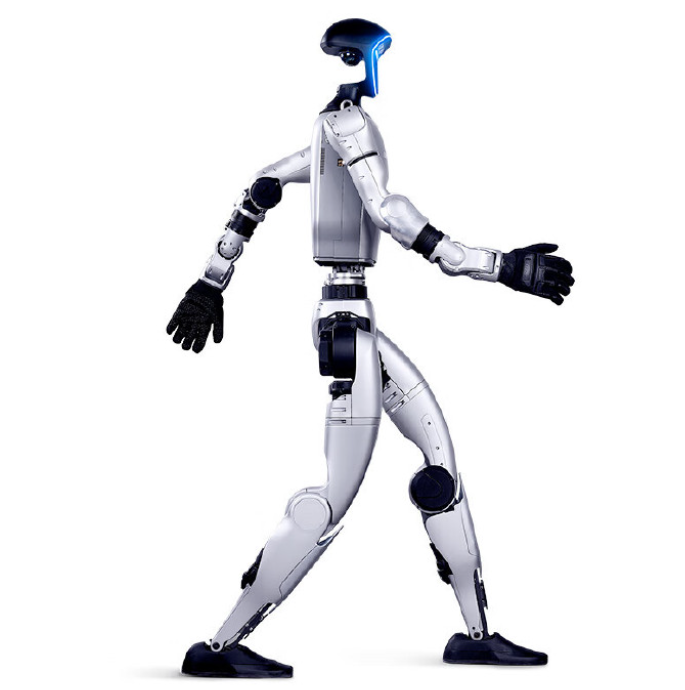
The agreement brings together a major robotics company, a technology services partner, and a regional development platform. Together, they are positioned to advance embodied intelligence from laboratory research toward real-world industrial and energy applications. The project also places humanoid robotics and embodied intelligence at the center of Shanxi’s longer-term future industry planning.
-
Signing Ceremony Defines a New Milestone for Shanxi’s Future Industry Strategy
The signing ceremony for the Shanxi Embodied Intelligence Innovation Center and Industrial Energy Mining Special Robot Intelligent Manufacturing Project was held on September 2. The event was jointly organized by the Shanxi Transformation and Comprehensive Reform Demonstration Zone, Shenzhen UBTECH Technology Co., Ltd., and Beijing Hehaoruisheng Technology Industry Development Co., Ltd. The project name itself reflects two connected ambitions: first, to establish an embodied intelligence innovation center in Shanxi, and second, to develop intelligent manufacturing for special robots used in industrial, energy, and mining environments.
For Shanxi, the agreement is more than a single industrial investment. It signals a strategic move into future industries that combine artificial intelligence, robotics, advanced manufacturing, and real-world operational data. Embodied intelligence is especially relevant to this direction because it focuses on systems that can perceive their surroundings, make decisions, and act physically rather than merely process information in digital environments. Humanoid robots are one of the most visible expressions of embodied intelligence, but the broader field also includes specialized robots designed for difficult, dangerous, or highly structured tasks.
The project is expected to support the development of an embodied intelligence industry platform in Shanxi. That platform is intended to connect data collection, scenario testing, technology iteration, and manufacturing. By linking these activities, the initiative can help transform regional industrial scenarios into sources of innovation for embodied intelligence. In turn, embodied intelligence can help improve safety, efficiency, and operational intelligence in mining, energy, and industrial settings.
The presence of UBTECH is significant because the company is described as a domestic pioneer in industrial humanoid robots and one of the few global companies with full-stack humanoid robot technology capabilities. Full-stack capability suggests strength across multiple layers of robotics, including hardware, software, motion control, perception, and intelligence. For an embodied intelligence ecosystem, this range of capabilities can support integration between robots, sensors, data systems, and application scenarios.
Beijing Hehaoruisheng’s focus on scientific research and technical services adds another dimension. The development of embodied intelligence requires not only robot hardware but also research collaboration, technical support, testing methodologies, and service models. The participation of a company focused on scientific research and technical services can help bridge the gap between prototype development and practical deployment. This is important for embodied intelligence because real-world environments are often unpredictable and require continuous adaptation.
The Shanxi Transformation and Comprehensive Reform Demonstration Zone serves as the host platform for the project. Its role is to facilitate the landing of the initiative and to support the broader industrial ecosystem around embodied intelligence. The combination of a demonstration zone, a humanoid robotics pioneer, and a research and technical services company creates a multi-layered partnership. Each participant contributes a different type of capacity, and together they can support the project’s two-phase structure.
-
Three Partners Bring Complementary Strengths to Embodied Intelligence
The first partner, Shenzhen UBTECH Technology Co., Ltd., is identified as a domestic pioneer in industrial humanoid robots and one of the few companies globally with full-stack humanoid robot technology capabilities. Its core research and development strength and technological advantages are central to the project. In the context of embodied intelligence, this means the project can draw on capabilities related to robot bodies, motion, perception, decision-making, and task execution. Humanoid robots are especially complex because they must operate in environments designed for humans while maintaining balance, safety, and adaptability.
The second partner, Beijing Hehaoruisheng Technology Industry Development Co., Ltd., focuses on scientific research and technical services. This focus is relevant to embodied intelligence because the field depends on iterative experimentation, scenario design, data analysis, and technical integration. A company with scientific research and technical service capabilities can help structure the innovation process, support testing activities, and assist in translating research outcomes into deployable systems. For embodied intelligence, the distance between a laboratory demonstration and a reliable industrial application can be substantial. Technical services and research support can help narrow that distance.
The third participant, the Shanxi Transformation and Comprehensive Reform Demonstration Zone, provides the regional platform for the project. Its involvement connects the initiative to Shanxi’s industrial landscape and development strategy. The demonstration zone can serve as an organizing framework for the embodied intelligence innovation center and the intelligent manufacturing project. It can also help align the project with broader regional goals related to advanced manufacturing, energy transformation, and future industry cultivation.
Together, the three partners cover essential elements of an embodied intelligence value chain. UBTECH contributes robotics and humanoid technology. Beijing Hehaoruisheng contributes research and technical services. The demonstration zone contributes regional coordination and industrial positioning. This combination is important because embodied intelligence is not a single technology. It is an integration of artificial intelligence, mechanical systems, sensors, control systems, data infrastructure, and domain knowledge. The more effectively these elements are connected, the more likely it is that embodied intelligence can move from concept to practical deployment.
The project’s focus on industrial energy mining special robots also reflects the practical orientation of embodied intelligence. Mining and energy operations often involve hazardous, remote, or physically demanding environments. Robots equipped with embodied intelligence can potentially assist with inspection, monitoring, material handling, maintenance, and emergency response. These tasks require not only mechanical strength but also environmental awareness and adaptive decision-making. That is precisely where embodied intelligence can add value.
-
Project Location and Two-Phase Construction Framework
The project will be located in Xiaohe Emerging Industry Park. The expected total investment is 1.5 billion yuan. The project is planned in two phases. Phase I will build a data collection and scenario testing center and create the Shanxi embodied intelligence industry platform. Phase II will build a UBTECH robot factory and seek to create a core intelligent manufacturing base for robots in North China.
The two-phase structure reflects a logical progression. Phase I focuses on data, scenarios, testing, and platform development. These are foundational activities for embodied intelligence because embodied systems learn from interaction with physical environments. Before large-scale manufacturing can be effective, the project needs to understand which tasks, environments, and operational requirements are most relevant. A data collection and scenario testing center can provide controlled and semi-controlled environments for refining embodied intelligence capabilities.
Phase II shifts toward manufacturing. The UBTECH robot factory is intended to support the production of robots and related systems. If Phase I generates insights about scenarios, data, and testing, Phase II can translate those insights into manufactured products and deployable solutions. The goal of creating a core intelligent manufacturing base for robots in North China indicates a regional ambition. It suggests that the project is not only about local testing but also about building production capacity that can serve a wider geographic area.
The project’s name combines an innovation center with intelligent manufacturing. This combination is important for embodied intelligence because innovation alone is not enough. Embodied intelligence must ultimately be embodied in reliable hardware that can operate in real conditions. An innovation center can develop algorithms, models, and testing methods. A manufacturing base can produce the robots and components needed to apply those methods at scale. The two phases therefore support each other.
Project Element Details Project Name Shanxi Embodied Intelligence Innovation Center and Industrial Energy Mining Special Robot Intelligent Manufacturing Project Signing Date September 2 Location Xiaohe Emerging Industry Park Expected Total Investment 1.5 billion yuan Phase I Data collection and scenario testing center; Shanxi embodied intelligence industry platform Phase II UBTECH robot factory; core intelligent manufacturing base for robots in North China Key Participants Shanxi Transformation and Comprehensive Reform Demonstration Zone; Shenzhen UBTECH Technology Co., Ltd.; Beijing Hehaoruisheng Technology Industry Development Co., Ltd. The project’s location in an emerging industry park also suggests an ecosystem approach. Emerging industry parks often aim to cluster related companies, research bodies, and service providers. For embodied intelligence, clustering can be beneficial because the field requires collaboration across robotics, artificial intelligence, sensors, software, and industrial applications. A park setting can make it easier for different actors to interact, share testing facilities, and develop common standards.
The investment figure of 1.5 billion yuan indicates the scale of the planned commitment. However, the significance of the project is not only financial. It also lies in the strategic alignment of partners and the phased development model. Phase I creates the knowledge and testing foundation for embodied intelligence. Phase II creates the manufacturing capacity to produce robots and related systems. This sequence can help reduce risk and improve the chances of successful commercialization.
-
Why Shanxi’s Mining, Energy, and Industrial Scenarios Matter for Embodied Intelligence
Shanxi has abundant mining, energy, and industrial scenario resources. These resources provide broad testing scenarios and application space for the iteration of embodied intelligence technology. In practical terms, this means the region offers a wide range of environments where embodied intelligence can be tested, refined, and eventually deployed. Mining, energy, and industrial operations often involve complex equipment, challenging terrain, safety risks, and repetitive or physically demanding tasks. These conditions are well suited to robotics and embodied intelligence because they require both physical action and environmental understanding.
Embodied intelligence is particularly relevant when a system must operate in an unstructured or semi-structured environment. Traditional automation often works best in fixed, highly controlled settings where tasks are repetitive and the environment changes little. Mining, energy, and industrial environments are different. They can include dust, heat, vibration, heavy machinery, confined spaces, and changing operational conditions. A robot with embodied intelligence can potentially perceive these conditions, adjust its behavior, and continue working safely. This makes the region’s industrial scenarios valuable for testing embodied intelligence in realistic settings.
Data collection is a critical part of this process. Embodied intelligence systems learn from sensor data, movement data, and task outcomes. The more varied and realistic the data, the more robust the resulting models can become. A data collection and scenario testing center in Shanxi can gather information from mining, energy, and industrial contexts. This data can then support the development of embodied intelligence algorithms and robot behaviors. Over time, the platform can help create a loop in which real-world scenarios inform research, and research improves real-world performance.
Application space is equally important. Testing alone does not create value. The project’s focus on industrial energy mining special robots suggests that the partners intend to apply embodied intelligence to practical tasks. These may include inspection, monitoring, maintenance, material handling, and operations in hazardous areas. By focusing on special robots rather than only general-purpose humanoid robots, the project can address specific industry needs while still benefiting from advances in humanoid robotics and embodied intelligence.
The combination of mining, energy, and industrial scenarios also supports cross-sector learning. A capability developed for one environment may be adapted to another. For example, perception systems designed for low-visibility conditions in mining may have relevance for energy infrastructure inspection. Motion control developed for uneven industrial terrain may be useful in other outdoor or semi-outdoor settings. This cross-sector potential increases the value of a regional embodied intelligence platform.
Shanxi’s industrial base can also serve as a demanding customer for embodied intelligence solutions. When local industries face safety, efficiency, or labor challenges, they can provide requirements that guide robot development. This demand-driven approach can help ensure that embodied intelligence research remains focused on practical outcomes. It can also help accelerate adoption because solutions are developed in close proximity to the environments where they will be used.
Shanxi Scenario Domain Relevance to Embodied Intelligence Potential Focus Areas Mining Hazardous, unstructured, and sensor-rich environments that require perception and adaptive action Inspection, monitoring, material handling, safety support Energy Complex infrastructure and operational settings where reliability and remote operation matter Maintenance, inspection, emergency response, operational support Industrial Repetitive, physically demanding, and precision-oriented tasks that can benefit from robotic embodiment Logistics, assembly support, machine tending, quality-related tasks -
Embodied Intelligence, Humanoid Robots, and the Shift from Automation to Physical Autonomy
Embodied intelligence refers to artificial intelligence that is connected to a physical body and can interact with the real world. Instead of only processing text, images, or data, an embodied intelligence system uses sensors and actuators to perceive, move, and manipulate. This physical connection creates both opportunities and challenges. The opportunity is that the system can act directly in the world. The challenge is that the real world is unpredictable, noisy, and full of edge cases.
Humanoid robots are a prominent form of embodied intelligence because they are designed to operate in environments built for humans. A humanoid robot may need to walk, balance, grasp objects, avoid obstacles, and understand human instructions. These capabilities require the integration of many technologies, including perception, planning, control, and machine learning. UBTECH’s description as a domestic pioneer in industrial humanoid robots and one of the few companies globally with full-stack humanoid robot technology capabilities highlights the complexity of this field.
The shift from traditional automation to embodied intelligence is not simply a matter of adding more sensors or software. It involves a different approach to machine behavior. Traditional automation often follows fixed rules and repeated motions. Embodied intelligence aims to handle variation, uncertainty, and unstructured tasks. In mining, energy, and industrial settings, this flexibility can be valuable because conditions change and tasks are not always identical.
Full-stack humanoid robot technology capability is important because embodied intelligence cannot be separated into isolated parts. Perception without action cannot complete a task. Action without perception can be dangerous. Decision-making without reliable hardware cannot be deployed. A full-stack approach can help ensure that these elements work together. It can also support faster iteration because teams can optimize the whole system rather than only one component.
The project’s focus on industrial energy mining special robots suggests a pragmatic application of embodied intelligence. Special robots can be designed for particular tasks and environments, which may make them easier to deploy than general-purpose humanoid robots in the near term. At the same time, advances in humanoid robotics can contribute to special robots through shared technologies such as perception, motion control, and human-robot interaction. The two categories can reinforce each other.
Embodied intelligence also has implications for safety. In dangerous environments, robots can potentially reduce human exposure to hazards. However, this requires high reliability. An embodied intelligence system must understand its limits, detect failures, and respond safely. Testing centers and scenario-based validation are therefore essential. The data collection and scenario testing center planned in Phase I can play a critical role in establishing safety and reliability standards for embodied intelligence applications.
-
Data Collection and Scenario Testing as the Foundation of Embodied Intelligence
Phase I of the project is centered on a data collection and scenario testing center. This is a logical starting point for embodied intelligence because data and testing are foundational. Embodied intelligence systems learn from interaction. They need examples of objects, surfaces, movements, obstacles, tasks, and outcomes. They also need to be tested in conditions that resemble the environments where they will eventually operate.
A data collection center can gather multiple types of information. These may include visual data, depth data, motion data, force data, and operational data from machines and processes. In mining, energy, and industrial settings, such data can be diverse and complex. By collecting it in a structured way, the project can create datasets that support the development of embodied intelligence models. These models can then be evaluated in scenario testing environments before being deployed in real operations.
Scenario testing is important because embodied intelligence must handle situations that are difficult to predict. A robot may encounter poor lighting, dust, uneven ground, moving equipment, or unexpected human presence. Testing in realistic scenarios can reveal weaknesses that would not appear in simplified laboratory conditions. It can also help developers refine algorithms for perception, planning, and control. Over time, scenario testing can support the creation of safer and more reliable embodied intelligence systems.
The Shanxi embodied intelligence industry platform is expected to connect these activities. A platform can serve as a shared resource for data, testing methods, technical standards, and collaboration. It can bring together robot developers, industry users, research institutions, and service providers. This kind of coordination is valuable because embodied intelligence is interdisciplinary. No single organization is likely to possess all the necessary expertise and resources.
Data collection and scenario testing also support a cycle of continuous improvement. Real-world operations generate data. That data is used to train and refine embodied intelligence models. The models are tested in scenarios that reflect real-world conditions. Successful improvements are then deployed back into operations. This cycle can accelerate innovation and make the technology more adaptable. For Shanxi, the cycle can transform local industrial scenarios into a competitive advantage for embodied intelligence development.
The platform can also help address common challenges in embodied intelligence, such as data quality, data labeling, simulation-to-reality transfer, and safety validation. These challenges are not unique to Shanxi, but the region’s industrial diversity provides a strong testing ground. By focusing on practical scenarios, the project can generate insights that are relevant to both local industries and the broader robotics sector.
-
From Testing Platform to Intelligent Manufacturing: The Second Phase
Phase II of the project will build a UBTECH robot factory and seek to create a core intelligent manufacturing base for robots in North China. This phase represents the transition from platform development to production. Once Phase I has established data collection, scenario testing, and industry platform capabilities, Phase II can focus on manufacturing the robots and systems needed for deployment.
A robot factory is not simply a production line. In the context of embodied intelligence, manufacturing involves precision components, sensors, actuators, control systems, software integration, and quality assurance. The factory can also serve as a site for final testing and calibration. Because embodied intelligence systems must operate in the physical world, manufacturing quality directly affects performance and safety. A dedicated factory can help ensure that robots meet the required standards.
The goal of creating a core intelligent manufacturing base for robots in North China suggests a regional role. Such a base can support the production of robots for multiple industries and applications. It can also attract suppliers, service providers, and skilled workers. Over time, this can contribute to the formation of a robotics cluster. Clusters are often important in advanced manufacturing because they enable knowledge sharing, supply chain efficiency, and workforce development.
Phase II also complements Phase I. The testing center can provide feedback to the factory about design improvements, reliability issues, and scenario requirements. The factory can produce updated robot versions that incorporate this feedback. This feedback loop between testing and manufacturing is essential for embodied intelligence because the technology evolves through iteration. The closer the testing and manufacturing activities are, the faster the iteration can occur.
The UBTECH robot factory is expected to be a central part of the project. UBTECH’s experience in industrial humanoid robots and full-stack humanoid robot technology can inform factory design, production processes, and quality control. Beijing Hehaoruisheng’s research and technical service capabilities can support the integration of new technologies into manufacturing. The demonstration zone can facilitate coordination and infrastructure. Together, these contributions can help the factory become more than a production site; it can become a hub for embodied intelligence manufacturing innovation.
The intelligent manufacturing base can also support the development of special robots for industrial energy mining applications. These robots may require different configurations from general-purpose humanoid robots. A flexible manufacturing base can accommodate different product lines and customization needs. This flexibility is important because mining, energy, and industrial users often have specific requirements. The ability to adapt production to these requirements can improve adoption and customer value.
-
Building a Regional Robotics Manufacturing Base in North China
The project’s ambition to create a core intelligent manufacturing base for robots in North China has regional implications. North China includes diverse industrial economies and significant energy and manufacturing activity. A robotics manufacturing base in Shanxi can serve as a supplier of robots, components, and systems to this broader region. It can also act as a center for technical support, integration, and service.
Regional manufacturing capacity is important for embodied intelligence because deployment requires more than prototypes. Industries need reliable access to robots, spare parts, maintenance, and upgrades. A local manufacturing base can reduce lead times and improve responsiveness. It can also support collaboration between robot developers and industry users. When manufacturers and users are geographically closer, it can be easier to test new ideas, gather feedback, and refine products.
The base can also contribute to supply chain development. Robot manufacturing requires a range of components, including sensors, motors, controllers, structural parts, and computing modules. As production grows, demand for these components can support local suppliers. This can create a broader industrial ecosystem around robotics and embodied intelligence. Such an ecosystem can be valuable for long-term competitiveness because it reduces dependence on distant supply chains and fosters local innovation.
Workforce development is another regional benefit. Robotics manufacturing and embodied intelligence require engineers, technicians, software developers, data specialists, and maintenance personnel. A major project can stimulate training and education programs. It can also create career pathways in advanced manufacturing. For Shanxi, this can support the transition toward higher-value industries while building on existing industrial strengths.
The regional base can also serve as a demonstration site. When local industries see robots and embodied intelligence systems operating in real conditions, they may be more willing to adopt similar solutions. Demonstration effects can accelerate diffusion of technology. They can also help set expectations about performance, safety, and return on investment. A successful base can become a reference point for other regions in North China and beyond.
Finally, the regional base can support standards and best practices. Embodied intelligence is still an emerging field, and standards for safety, interoperability, and performance are evolving. A manufacturing base that works closely with testing centers and industry users can contribute practical experience to standards development. This can help ensure that robots are safe, reliable, and compatible with existing industrial systems.
-
Industrial Impact and Skills Development in the Embodied Intelligence Era
The landing of the Shanxi embodied intelligence project can have a broad industrial impact. Mining, energy, and industrial sectors may benefit from improved safety, efficiency, and operational insight. Robots equipped with embodied intelligence can potentially take on tasks that are dangerous, repetitive, or physically demanding. This can reduce human exposure to hazards and allow workers to focus on higher-level monitoring, maintenance, and decision-making.
At the same time, the adoption of embodied intelligence creates new skill requirements. Workers may need to understand how to operate, supervise, and maintain robots. Engineers may need to integrate robots with existing equipment and data systems. Data specialists may need to manage and analyze the data generated by embodied intelligence systems. Technical service providers may need to offer support for deployment, troubleshooting, and upgrades.
The project’s partners are well positioned to contribute to skills development. UBTECH’s robotics expertise can support training in humanoid and industrial robot technologies. Beijing Hehaoruisheng’s research and technical services can support curriculum development, testing methodologies, and technical assistance. The demonstration zone can help coordinate with educational institutions and industry groups. Over time, this can create a talent pipeline for embodied intelligence in Shanxi.
Skills development is not only about technical training. It also involves safety awareness, human-robot collaboration, and change management. As robots become more capable, human roles may shift. Some tasks may be automated, while new tasks may emerge. Effective adoption requires planning and communication. It also requires trust. People need to understand what embodied intelligence can and cannot do, and they need confidence that robots will operate safely.
Industrial impact can also extend to productivity and quality. Embodied intelligence systems can operate continuously, maintain consistent performance, and collect detailed operational data. This data can be used to identify inefficiencies, predict maintenance needs, and improve processes. In mining and energy, even small improvements in safety and reliability can have significant value. In industrial settings, robots can support flexible production and reduce bottlenecks.
The project’s focus on special robots for industrial energy mining applications suggests that impact will be targeted rather than generic. By addressing specific industry needs, the project can demonstrate concrete value. Success in these demanding environments can then support expansion into other sectors. This staged approach can help manage risk and build credibility for embodied intelligence.
-
Safety, Reliability, and Commercialization Pathways for Embodied Intelligence
Safety and reliability are central to the commercialization of embodied intelligence. In mining, energy, and industrial environments, robots may operate near people, heavy machinery, and hazardous materials. A failure could have serious consequences. Therefore, embodied intelligence systems must be designed with robust safety mechanisms, clear operational limits, and reliable failure detection.
Scenario testing is a key part of safety validation. By testing robots in representative environments, developers can identify potential hazards and improve responses. Testing can also help establish operational procedures. For example, a robot may need to stop, request assistance, or switch to a safe mode when it encounters an uncertain situation. These behaviors should be designed and validated before deployment.
Reliability is also important for commercial adoption. Industries need robots that work consistently over long periods. They need predictable maintenance and support. They need spare parts and upgrades. A manufacturing base, such as the planned UBTECH robot factory, can support these needs by providing production capacity and quality control. A testing center can support reliability by running endurance and stress tests.
Commercialization pathways for embodied intelligence may vary by application. Some customers may purchase robots outright. Others may prefer robots-as-a-service models, where they pay for outcomes or usage. Still others may need customized systems integrated with existing equipment. The project’s partners can explore different models based on industry needs. The Shanxi embodied intelligence industry platform can help match solutions with applications.
Standards and certification can also support commercialization. As embodied intelligence matures, industries will need common ways to evaluate safety, performance, and interoperability. Testing centers can contribute to standards by developing repeatable test methods and sharing data. Manufacturing bases can ensure that products meet agreed specifications. Demonstration projects can show that standards are practical and effective.
Finally, commercialization depends on value creation. Embodied intelligence must solve real problems. In mining and energy, these problems may include safety risks, remote operations, equipment monitoring, and labor shortages. In industrial settings, they may include flexibility, quality, and efficiency. By focusing on clear use cases, the project can build a path from testing to deployment to scale.
-
Strategic Significance for Future Industry Layout
The signing of the Shanxi embodied intelligence project is described as an important breakthrough in the province’s future industry layout for embodied intelligence and humanoid robots. This strategic significance goes beyond the immediate project. It positions Shanxi as a participant in a global technology wave that combines artificial intelligence with robotics and advanced manufacturing.
Future industries are often characterized by high growth potential, strong innovation intensity, and cross-sector impact. Embodied intelligence fits this description. It has the potential to affect manufacturing, logistics, energy, mining, healthcare, services, and more. Humanoid robots are a high-profile segment of embodied intelligence, but the broader field includes many types of intelligent physical systems. By investing in both innovation and manufacturing, Shanxi can build capabilities across this spectrum.
The project also aligns with the transformation of resource-based economies. Shanxi has deep experience in mining and energy. Those sectors provide both challenges and opportunities for embodied intelligence. Challenges include safety and environmental risks. Opportunities include rich application scenarios, operational data, and demand for advanced solutions. By turning these scenarios into testing and innovation resources, Shanxi can create new value from existing industrial strengths.
The innovation center and manufacturing base can also support international and domestic collaboration. UBTECH’s global position in humanoid robotics and full-stack technology can connect the project to broader robotics networks. Beijing Hehaoruisheng’s research and technical services can connect it to scientific and technical communities. The demonstration zone can connect it to regional and national development initiatives. These connections can help attract talent, investment, and partners.
In the long term, the project can contribute to a more diversified economy. It can create jobs in robotics, software, data, manufacturing, and services. It can support startups and suppliers. It can encourage research and education. It can also raise awareness of embodied intelligence among local industries. This combination can strengthen Shanxi’s position in future industries and enhance its competitiveness.
The project’s two-phase structure provides a practical pathway. Phase I builds the data, testing, and platform foundation for embodied intelligence. Phase II builds manufacturing capacity. Together, they create a bridge from innovation to production. This bridge is essential for turning strategic ambition into industrial reality.
-
Key Facts at a Glance
Category Information Event Signing ceremony for the Shanxi Embodied Intelligence Innovation Center and Industrial Energy Mining Special Robot Intelligent Manufacturing Project Date September 2 Location Xiaohe Emerging Industry Park Expected Total Investment 1.5 billion yuan Phase I Data collection and scenario testing center; Shanxi embodied intelligence industry platform Phase II UBTECH robot factory; core intelligent manufacturing base for robots in North China Signing Parties Shanxi Transformation and Comprehensive Reform Demonstration Zone; Shenzhen UBTECH Technology Co., Ltd.; Beijing Hehaoruisheng Technology Industry Development Co., Ltd. UBTECH Profile Domestic pioneer in industrial humanoid robots; one of the few companies globally with full-stack humanoid robot technology capabilities Beijing Hehaoruisheng Profile Focus on scientific research and technical services Shanxi Advantage Abundant mining, energy, and industrial scenario resources; broad testing scenarios and application space for embodied intelligence technology iteration -
Outlook for Embodied Intelligence in Shanxi and Beyond
The project is expected to develop in two phases. Phase I will establish the data collection and scenario testing center and build the Shanxi embodied intelligence industry platform. Phase II will build the UBTECH robot factory and seek to create a core intelligent manufacturing base for robots in North China. This structure provides a clear sequence from foundation building to production.
As the project advances, embodied intelligence is likely to remain the central theme. The innovation center can support research, testing, and collaboration. The manufacturing base can support production, quality, and supply chain development. The regional ecosystem can support adoption, skills, and standards. Together, these elements can help Shanxi capture value from embodied intelligence and humanoid robotics.
The participation of UBTECH brings humanoid robot expertise and full-stack technology capabilities. The participation of Beijing Hehaoruisheng brings research and technical services. The participation of the Shanxi Transformation and Comprehensive Reform Demonstration Zone brings regional coordination and industrial positioning. This combination can support both technological development and practical deployment.
Shanxi’s mining, energy, and industrial scenarios provide a strong testing ground for embodied intelligence. These environments are demanding, but they also offer opportunities to develop robust, safety-critical systems. Success in these settings can demonstrate the value of embodied intelligence and support expansion into other sectors. It can also help position Shanxi as a location for robotics innovation and manufacturing.
The project’s signing on September 2 marks an important step. The expected total investment of 1.5 billion yuan and the two-phase plan indicate a long-term commitment. The goal of creating a core intelligent manufacturing base for robots in North China indicates regional ambition. The focus on an embodied intelligence innovation center indicates a desire to build capability, not only capacity.
In conclusion, the Shanxi embodied intelligence project represents a strategic move into future industries. It connects embodied intelligence, humanoid robotics, special robots for industrial energy mining applications, data collection, scenario testing, and intelligent manufacturing. It brings together key partners with complementary strengths. It leverages Shanxi’s industrial scenarios as a foundation for technology iteration. And it aims to build a regional robotics manufacturing base in North China. As embodied intelligence continues to evolve, this project can serve as a platform for innovation, adoption, and long-term industrial development.