
In a significant move to strengthen the domestic robotics sector, the China Robot Industry Alliance was officially launched on April 21, spearheaded by the China Machinery Industry Federation. This alliance marks a pivotal step in consolidating efforts across research, production, and application to enhance the competitiveness of China robot technologies in the global market. The establishment comes at a time when the China robot industry is experiencing rapid growth, yet faces challenges from international dominance, with over 90% of the domestic market share held by foreign brands. The alliance aims to address these issues by fostering collaboration, promoting indigenous innovation, and facilitating the widespread adoption of robotics across various industries.
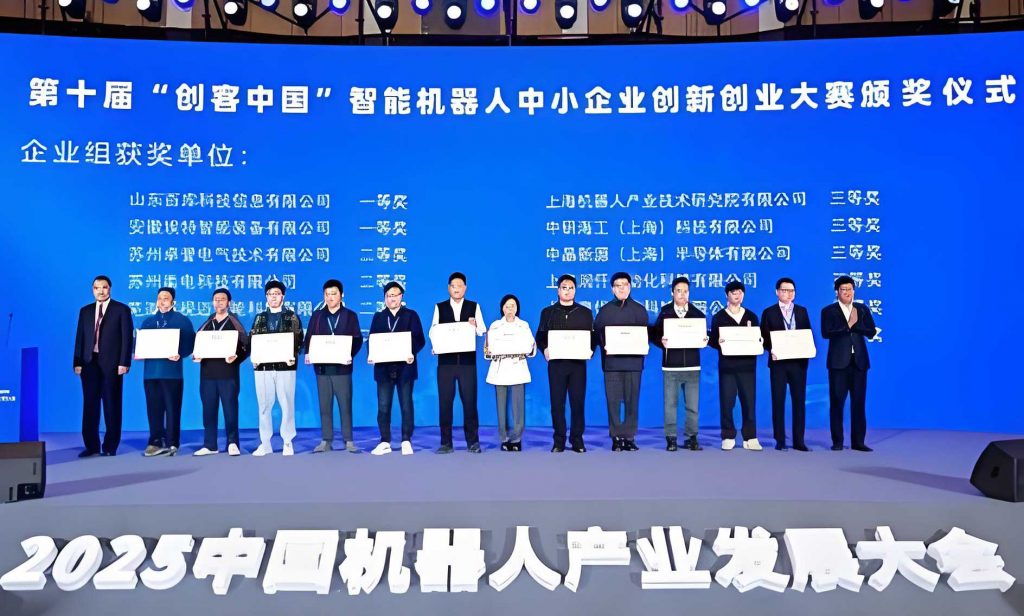
The China Robot Industry Alliance is a non-profit organization comprising 77 member units, including leading enterprises, research institutions, and academic bodies. It serves as a national platform for industry synergy, focusing on technological advancement, market development, and intellectual property management. The alliance elected Shenyang Siasun Robot & Automation Co., Ltd. as the chairman unit, with the China Machinery Industry Federation as the executive chairman unit. Other vice-chairman units include Guangzhou CNC Equipment Co., Ltd., Shenzhen Institutes of Advanced Technology (Chinese Academy of Sciences), Anhui Effort Intelligent Equipment Co., Ltd., and international players like Yaskawa, KUKA, as well as domestic firms such as Googol Technology, ODES, Harbin Boshi, Nanjing Estun, and Tangshan Kaiyuan. This diverse membership reflects the comprehensive ecosystem of the China robot industry, aiming to drive sustainable development and reduce reliance on imports.
1. Technological Advancements in China Robot Control Systems
The progress in the China robot sector is underscored by innovations in industrial control computers, which are critical for robotics applications. A recent design highlighted in technical literature demonstrates the integration of advanced measurement and network functionalities, showcasing the capability of domestic technologies. For instance, the control computer utilizes a measurement board designed to accurately assess external channel resistance, employing digital-to-analog (DA) and analog-to-digital (AD) conversion circuits. This design leverages components like the AD7610, a 16-bit SAR ADC with programmable input ranges and high sampling rates up to 250Ksps, ensuring precise data acquisition for China robot systems. The inclusion of FIFO cache circuits, such as the IDT7202, alleviates CPU pressure, enabling efficient data handling in high-demand scenarios.
Moreover, the network functionality of these control computers is enhanced through dedicated switch boards, using chips like the BCM5328 to manage Ethernet interfaces. This facilitates dynamic IP address allocation and external device network capture, which is essential for interconnected China robot operations in smart factories. The software architecture, based on the VxWorks operating system, supports drivers for various hardware components, ensuring robust performance. These technological elements contribute to the reliability and scalability of China robot platforms, aligning with the alliance’s goal to improve quality and innovation.
2. Market Dynamics and the Role of the China Robot Industry Alliance
The China robot market has shown remarkable growth, driven by increasing automation demands. In 2012, global robot sales reached 160,000 units, a record high, with China accounting for approximately one-fifth of the worldwide market. However, the domestic industry remains heavily dependent on imports, as evidenced by 2011 data where China imported 38,000 robots, a 62% increase from the previous year, with import value soaring to 866 million USD, up 64%. This reliance on international brands highlights the urgent need for the China Robot Industry Alliance to boost local production and technological self-sufficiency.
| Category | 2011 Data | 2012 Data | Growth Rate or Note |
|---|---|---|---|
| Global Robot Sales (Units) | Not Specified | 160,000 units | Record high |
| China Robot Imports (Units) | 38,000 units | Not Specified | 62% increase from prior year |
| China Robot Imports (Value) | 866 million USD | Not Specified | 64% increase from prior year |
| International Brand Share in China Market | Over 90% | ||
| China Robot Industry Alliance Members | 77 units | ||
The alliance is poised to address these challenges by studying industry trends, identifying obstacles, and promoting cooperation among members. Wang Ruixiang, President of the China Machinery Industry Federation, emphasized that the China robot industry must enhance quality and achieve sustainable development to compete globally. The alliance will work on standardizing technologies, sharing resources, and accelerating the adoption of China robot solutions in sectors like manufacturing, healthcare, and logistics. By fostering a collaborative environment, it aims to reduce the market share gap and stimulate homegrown innovation.
3. Key Design Innovations Supporting China Robot Applications
The development of control computers, as detailed in technical designs, plays a crucial role in advancing China robot capabilities. These systems incorporate several innovative features:
- Measurement Board Design: Utilizing AD7610 ADC and DA circuits, this board enables accurate resistance measurement through voltage sampling, with FIFO caching for high-speed data management. This is vital for precision in China robot sensors and actuators.
- Network Functionality: Integrated switch boards with BCM5328 chips provide robust Ethernet connectivity, allowing dynamic IP management and seamless communication between China robot devices and external networks.
- Software Integration: The use of VxWorks OS with customized drivers ensures real-time performance and compatibility, essential for complex China robot operations in industrial settings.
These design elements not only enhance the functionality of China robot systems but also demonstrate the potential for domestic technologies to meet international standards. The alliance can leverage such innovations to promote best practices and reduce dependency on foreign components.
4. Strategic Goals of the China Robot Industry Alliance
The China Robot Industry Alliance has outlined several strategic objectives to propel the sector forward:
- Technological Collaboration: Encourage joint research and development among members to overcome technical barriers and innovate in areas like artificial intelligence, machine vision, and control systems for China robot platforms.
- Market Expansion: Facilitate the widespread application of China robot products by identifying new industry opportunities and promoting adoption through pilot projects and demonstrations.
- Quality Improvement: Establish industry standards and certification processes to ensure the reliability and safety of China robot systems, boosting consumer confidence and global competitiveness.
- International Engagement: Foster partnerships with global robotics organizations to exchange knowledge and attract investment, while positioning China robot technologies on the world stage.
- Policy Advocacy: Work with government bodies to develop supportive policies, such as subsidies and tax incentives, that stimulate growth in the China robot industry.
By focusing on these goals, the alliance aims to create a thriving ecosystem where China robot companies can innovate and compete effectively. The participation of both domestic and international members, including firms like Yaskawa and KUKA, indicates a commitment to open collaboration, which is essential for addressing common challenges in robotics.
5. Future Outlook for the China Robot Industry
The future of the China robot industry appears promising, driven by technological advancements and strategic initiatives like the alliance. With the global robotics market expected to grow, China is well-positioned to increase its share through enhanced domestic production. The alliance’s efforts in promoting innovation and application will likely accelerate this trend, reducing import reliance and fostering a self-sustaining China robot ecosystem.
Key trends to watch include the integration of IoT and AI into China robot systems, enabling smarter automation solutions. Additionally, the push for sustainable manufacturing will drive demand for energy-efficient robots, an area where China robot developers can lead. The alliance’s role in coordinating these efforts will be critical, as it provides a platform for sharing insights and resources.
In conclusion, the establishment of the China Robot Industry Alliance marks a transformative moment for the sector. By uniting key players and focusing on technological excellence, it aims to elevate the China robot industry to new heights. As the alliance progresses, stakeholders can expect increased innovation, broader market penetration, and a stronger global presence for China robot technologies, ultimately contributing to economic growth and industrial modernization.
The continuous emphasis on keywords like “China robot” throughout this news article underscores the centrality of domestic innovation in the robotics landscape. From control computer designs to market strategies, every aspect highlights the push for a robust China robot industry that can compete internationally. With the alliance’s guidance, the future looks bright for China robot advancements, paving the way for widespread adoption and technological leadership.