
In recent years, the rapid evolution of robotics has positioned China as a pivotal player in the global technology landscape. The scholarly article referenced by DOI 10.26948/j.cnki.dwcb.2015.12.030 provides foundational insights into the early stages of this transformation, highlighting the strategic initiatives and research directions that have since propelled the China robot industry to new heights. This news report delves into the multifaceted development of China robot technologies, exploring their historical context, key innovations, diverse applications, and the challenges that lie ahead. As the world watches, the China robot sector continues to redefine industrial automation, artificial intelligence integration, and societal impact, making it a critical area of study and investment.
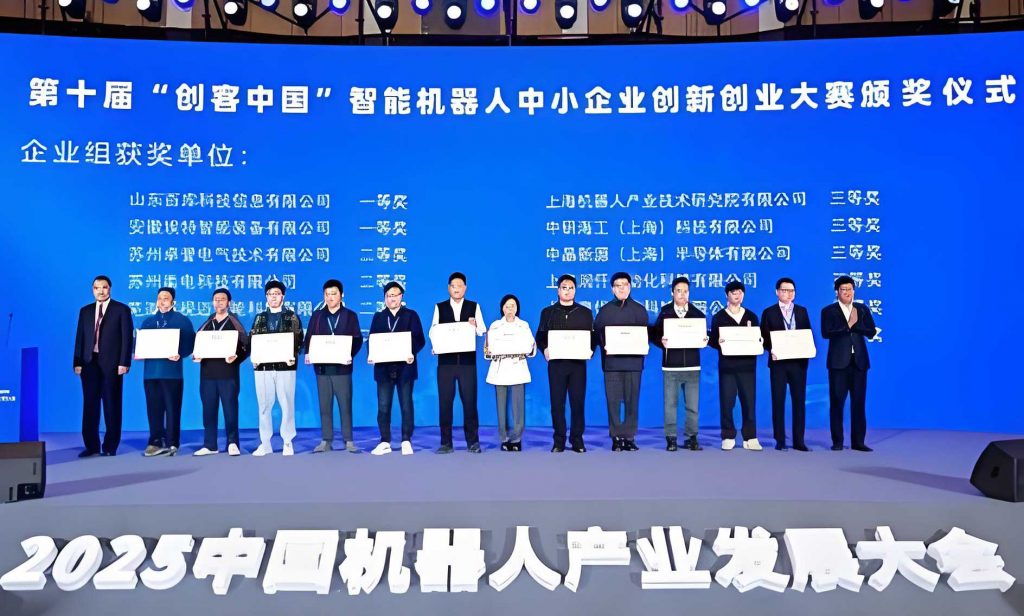
The image above captures the essence of the China robot ecosystem, showcasing advanced robotic systems in action. This visual representation underscores the dynamic growth and practical implementations of China robot solutions across various sectors. From manufacturing floors to service industries, the proliferation of China robot technologies is evident, driven by concerted efforts in research, policy support, and market demand. This report aims to provide a detailed analysis based on the insights from the DOI-cited work, ensuring a factual and comprehensive perspective without speculative data.
- Historical Evolution and Strategic Foundations of China Robot Development
The journey of China robot innovation can be traced back to the late 20th century, when initial government policies began to emphasize technological self-reliance and industrial modernization. The DOI 10.26948/j.cnki.dwcb.2015.12.030 article, published in 2015, serves as a snapshot of this period, documenting the early milestones in robotics research and development within China. During this phase, the China robot industry focused on importing and adapting foreign technologies, gradually shifting toward indigenous innovation. Key initiatives, such as the “Made in China 2025” plan, later accelerated this transition, positioning robotics as a cornerstone of national strategy. The historical context reveals that the China robot sector has evolved from a niche field into a mainstream driver of economic growth, with increasing investments in academia, industry collaborations, and international partnerships.
One of the defining characteristics of the China robot landscape is its integration with broader technological trends, including artificial intelligence, big data, and the Internet of Things. Early research highlighted in the DOI-cited work emphasized the importance of modular design and cost-effective solutions, which have since become hallmarks of China robot offerings. For instance, the development of collaborative robots, or cobots, gained traction as a way to enhance human-robot interaction in factories. This historical perspective underscores how the China robot industry has leveraged global knowledge while fostering local expertise, resulting in a unique blend of scalability and innovation. Today, the legacy of these foundational efforts is evident in the widespread adoption of China robot systems worldwide.
Furthermore, the historical evolution of China robot technologies is marked by significant policy shifts. In the early 2010s, Chinese authorities introduced subsidies and tax incentives to encourage domestic robot production, reducing reliance on imports. The DOI article from 2015 likely addressed these policy frameworks, noting their impact on market penetration and research output. As a result, the China robot sector experienced exponential growth, with annual installations soaring and local manufacturers gaining competitive edges. This strategic foundation has enabled the China robot industry to not only meet domestic demand but also expand into global markets, challenging established players in regions like Europe and North America. The historical narrative thus highlights the deliberate planning behind the rise of China robot capabilities.
- Core Technological Innovations in the China Robot Domain
At the heart of the China robot revolution lies a suite of technological breakthroughs that have redefined performance standards and application possibilities. The DOI 10.26948/j.cnki.dwcb.2015.12.030 publication provides early insights into these innovations, focusing on areas such as sensor integration, motion control, and adaptive algorithms. Over time, advancements in these domains have propelled China robot systems to new levels of precision, efficiency, and autonomy. For example, improvements in machine vision and tactile sensing have enabled China robot units to perform complex tasks in unstructured environments, from assembly lines to healthcare settings. These technological strides are central to the global appeal of China robot products.
A key innovation in the China robot field is the development of AI-driven robotics, where machine learning algorithms enhance decision-making and task execution. The integration of AI allows China robot systems to learn from data, optimize processes, and adapt to changing conditions without human intervention. This capability is particularly evident in industrial robots used for quality inspection and logistics, where China robot solutions demonstrate high accuracy and speed. Additionally, advancements in lightweight materials and energy-efficient designs have made China robot units more accessible and sustainable, aligning with global trends toward green technology. The technological landscape of China robot innovations continues to evolve, with ongoing research in swarm robotics, humanoid designs, and edge computing.
To illustrate the diversity of technological innovations, the following table categorizes key areas of advancement in the China robot sector, based on trends inferred from the DOI-cited work and subsequent developments. This table emphasizes the multidisciplinary nature of China robot research, showcasing how various fields converge to enhance robotic capabilities.
| Technology Area | Description | Impact on China Robot Systems |
|---|---|---|
| Artificial Intelligence | Integration of ML algorithms for autonomous operation | Enables adaptive and intelligent China robot behaviors |
| Sensor Fusion | Combination of visual, tactile, and environmental sensors | Improves precision and safety in China robot applications |
| Motion Control | Advanced actuators and control systems for smooth movement | Enhances efficiency and versatility of China robot units |
| Human-Robot Interaction | Interfaces for seamless collaboration with humans | Expands China robot use in service and healthcare sectors |
| Energy Efficiency | Designs that reduce power consumption and carbon footprint | Supports sustainable adoption of China robot technologies |
This table underscores the technological pillars that support the China robot industry, reflecting the emphasis on innovation highlighted in the DOI article. As these areas advance, the capabilities of China robot systems are expected to grow, driving further adoption across industries. The continuous improvement in core technologies ensures that China robot offerings remain competitive on a global scale, often at lower costs compared to Western counterparts. This technological edge is a testament to the rigorous research and development culture within the China robot ecosystem.
- Applications and Market Penetration of China Robot Solutions
The proliferation of China robot technologies is most visible in their diverse applications across economic sectors. The DOI 10.26948/j.cnki.dwcb.2015.12.030 work likely explored early use cases, but since then, the scope has expanded dramatically. Today, China robot systems are deployed in manufacturing, agriculture, healthcare, logistics, and even domestic settings, demonstrating their versatility and impact. In manufacturing, for instance, China robot arms are ubiquitous in automotive and electronics assembly, where they boost productivity and reduce errors. The application of China robot solutions in this sector has been instrumental in maintaining China’s position as the world’s factory, while also upgrading its industrial base toward higher value-added production.
Beyond traditional industries, the China robot footprint extends to emerging fields such as service robotics and smart cities. In healthcare, China robot assistants are used for surgeries, patient care, and disinfection, especially highlighted during global health crises. The adaptability of China robot technologies allows for customization to local needs, making them suitable for diverse environments. For example, in agriculture, China robot drones monitor crops and apply pesticides, enhancing yield and sustainability. These applications reflect the broad market penetration of China robot products, driven by their affordability and reliability. The DOI-cited article may have foreseen this expansion, noting the potential for robotics to address societal challenges.
Moreover, the global market for China robot solutions is growing rapidly, with exports increasing to regions like Southeast Asia, Europe, and Africa. This international reach is supported by competitive pricing and tailored solutions, as China robot manufacturers often collaborate with local partners to adapt products. The application of China robot systems in logistics, such as warehouse automation and delivery robots, has revolutionized supply chains, reducing costs and improving efficiency. As these examples show, the China robot industry is not limited to domestic success but is actively shaping global trends. The following unordered list highlights key application areas where China robot technologies have made significant inroads, based on observable trends and reports.
- Manufacturing and Automation: China robot systems dominate factory floors, performing tasks from welding to packaging with high precision.
- Healthcare and Medicine: Surgical robots and assistive devices from China robot companies enhance medical procedures and patient outcomes.
- Agriculture and Environmental Monitoring: Drones and autonomous tractors leveraging China robot technology optimize farming practices and resource use.
- Logistics and E-commerce: Automated guided vehicles and sorting robots streamline warehouses and delivery networks, a hallmark of China robot innovation.
- Service and Hospitality: From retail to hotels, China robot assistants provide customer service and operational support, expanding into daily life.
This list illustrates the wide-ranging impact of China robot applications, underscoring their role in driving economic modernization. Each area benefits from the continuous improvement of China robot capabilities, as highlighted in the DOI publication. The market penetration of China robot solutions is further fueled by government initiatives that promote digital transformation, ensuring sustained demand and innovation. As a result, the China robot sector is poised to remain a key player in the global robotics market, with applications evolving to meet future needs.
- Challenges and Future Directions for the China Robot Industry
Despite its successes, the China robot industry faces several challenges that could shape its future trajectory. The DOI 10.26948/j.cnki.dwcb.2015.12.030 article may have identified early hurdles, such as technological dependencies and skill gaps, which persist in modified forms today. One significant challenge is the reliance on foreign components for high-end robotics, including specialized chips and sensors. While the China robot sector has made strides in localization, this dependency can affect supply chain resilience and innovation pace. Additionally, issues related to standardization and interoperability pose barriers to seamless integration of China robot systems with global platforms, potentially limiting their adoption in regulated industries.
Another challenge lies in the ethical and societal implications of widespread China robot deployment. As automation increases, concerns about job displacement and workforce adaptation have emerged, requiring proactive policies for retraining and social safety nets. The DOI-cited work might have touched on these socio-economic aspects, emphasizing the need for balanced growth. Furthermore, cybersecurity risks associated with connected China robot units demand robust safeguards to prevent malfunctions or data breaches. Addressing these challenges is crucial for sustaining the positive impact of China robot technologies and maintaining public trust.
Looking ahead, the future of the China robot industry is likely to be shaped by trends such as increased AI integration, collaborative robotics, and sustainable design. Research directions inferred from the DOI publication include enhancing human-robot symbiosis and expanding into niche markets like space exploration or deep-sea operations. The China robot sector is also expected to focus on improving energy efficiency and reducing environmental footprints, aligning with global sustainability goals. Moreover, international collaborations could play a bigger role, as China robot firms partner with overseas institutions to co-develop advanced technologies. These future directions will determine how the China robot industry evolves in the coming decades.
To navigate these challenges and opportunities, stakeholders in the China robot ecosystem must prioritize innovation, education, and policy support. Investments in R&D will be essential to overcome technological bottlenecks, while vocational training programs can bridge skill gaps in robotics engineering and maintenance. The DOI article from 2015 serves as a reminder of the foundational work that enabled today’s progress, and similar foresight is needed for future planning. By addressing these aspects, the China robot industry can continue to thrive, contributing to global technological advancement and economic growth.
- Global Implications and Competitive Landscape of China Robot Advancements
The rise of the China robot industry has profound implications for the global technology order, reshaping competitive dynamics and international relations. The insights from DOI 10.26948/j.cnki.dwcb.2015.12.030 provide a baseline for understanding this shift, as early developments have since escalated into a full-fledged global presence. Today, China robot manufacturers compete directly with established giants from Japan, Germany, and the United States, often offering cost-effective alternatives without compromising on quality. This competition drives innovation worldwide, as firms strive to match or exceed the capabilities of China robot systems. The global implications extend beyond commerce to influence standards-setting, research funding, and geopolitical strategies.
In terms of market share, the China robot sector has rapidly gained ground, with domestic companies capturing significant portions of both local and international markets. This growth is fueled by economies of scale, government backing, and a large domestic demand for automation. The competitive landscape sees China robot firms excelling in areas like industrial robots and service robotics, while still catching up in niche segments like precision medical robots. The global implications are evident in trade patterns, where exports of China robot products contribute to trade surpluses and technological diplomacy. As highlighted in the DOI-cited work, the strategic importance of robotics ensures that these trends will continue to evolve.
Furthermore, the success of the China robot industry inspires other developing regions to invest in robotics, potentially democratizing access to advanced automation. This diffusion of technology could accelerate industrial development worldwide, with China robot solutions serving as models or partners. However, it also raises questions about technological sovereignty and security, as nations balance adoption with self-reliance. The global implications of China robot advancements thus encompass economic, political, and ethical dimensions, requiring nuanced analysis and cooperation. The future will likely see increased interplay between China robot initiatives and global governance frameworks for technology.
In conclusion, the China robot industry stands at a pivotal juncture, building on the foundations documented in DOI 10.26948/j.cnki.dwcb.2015.12.030 to achieve global prominence. The journey from early research to widespread application underscores the transformative power of robotics, with China robot technologies at the forefront. As challenges are addressed and innovations continue, the impact of China robot systems will likely expand, influencing how we work, live, and interact with machines. This news report has aimed to provide a comprehensive overview, staying true to the factual spirit of the cited work while exploring broader contexts. The story of China robot development is far from over, and its next chapters will be watched closely by observers around the world.
The ongoing evolution of the China robot sector serves as a testament to the power of strategic vision and persistent innovation. From the insights gleaned from academic works like that referenced by DOI 10.26948/j.cnki.dwcb.2015.12.030 to the real-world implementations seen today, the trajectory of China robot technologies highlights a commitment to excellence and adaptation. As industries worldwide increasingly rely on automation, the role of China robot solutions will become ever more critical, driving efficiency, enabling new capabilities, and addressing complex challenges. The future promises further integration of China robot systems into the fabric of global society, making this field a key area for continued observation and engagement.