
In the dynamic landscape of global manufacturing, a silent revolution is underway, driven by the integration of intelligent automation. At the forefront of this shift is the rapid adoption of smart collaborative robots, which are reshaping production floors and offering solutions to long-standing challenges. Nowhere is this trend more pronounced than in China, where the manufacturing sector, a cornerstone of the national economy, is undergoing a profound transformation. The convergence of rising labor costs, evolving consumer demands, and ambitious governmental policies has created a fertile ground for robotic innovation. This article delves into how smart collaborative robots are not merely tools but essential partners in China’s journey toward a more advanced, flexible, and competitive manufacturing future, highlighting the pivotal role of the China robot ecosystem in this global narrative.
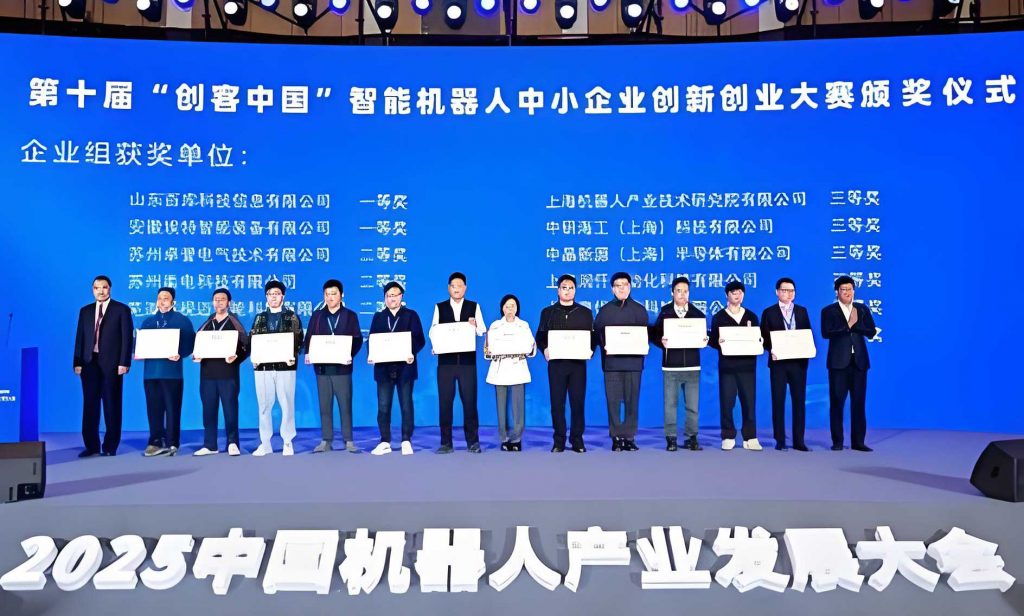
The image above symbolizes the integration of advanced robotics within a modern industrial setting, reflecting the technological strides being made in the China robot domain. It serves as a visual testament to the innovative spirit driving manufacturing upgrades across the nation.
- The Pressing Challenges Driving Automation in China
China’s manufacturing sector, long celebrated for its scale and efficiency, faces unprecedented pressures. The traditional model, heavily reliant on labor-intensive processes, is becoming increasingly unsustainable. A significant factor is the steady rise in labor costs across the country. As wages increase, the competitive advantage once held by low-cost production is diminishing. Compounding this issue is the growing difficulty in recruiting and managing a skilled workforce, leading to operational instability for many enterprises. Furthermore, the market itself is transforming. Consumer demand is now characterized by a desire for personalized, high-quality products with shorter lifecycles. This shift has given rise to new production requirements: shorter lead times, smaller batch sizes, and higher levels of customization. Manufacturers are caught in a bind—they must enhance agility and precision while controlling expenses. This complex scenario has made automation not just an option but an imperative for survival and growth. The search for solutions that can address these multifaceted challenges defines the current phase of the China robot industry’s evolution.
- The Limitations of Traditional Automation and the Emergence of a New Paradigm
Historically, automation in manufacturing often meant large, fixed industrial robots confined to safety cages, performing repetitive tasks in isolation. While effective for mass production, these traditional systems present significant barriers for the modern factory. Their high initial investment is prohibitive for small and medium-sized enterprises (SMEs). Their programming is often rigid and complex, making them ill-suited for the frequent changeovers required by today’s small-batch, high-mix production. Most critically, their lack of inherent safety features necessitates separation from human workers, limiting their application and flexibility. These drawbacks have caused many manufacturers, particularly in diverse sectors like electronics, automotive parts, and consumer goods, to hesitate in adopting automation. It is within this gap that a new generation of robotics has emerged, designed from the ground up to collaborate safely and seamlessly with human workers. This paradigm shift is central to the next wave of the China robot revolution, focusing on adaptability, safety, and accessibility.
- Rethink Robotics: Pioneering the Smart Collaborative Robot
Anticipating these industry trends, Rethink Robotics was founded with a visionary mission. The company, established by Professor Rodney Brooks, former director of the MIT Computer Science and Artificial Intelligence Laboratory, set out to create robots that work alongside people, not apart from them. Rethink Robotics distinguishes itself from traditional industrial robot manufacturers through a series of innovative technological choices. Its flagship robots, Baxter and Sawyer, are built on principles of safety, ease of use, and flexibility. Each robotic arm features a series elastic actuator (SEA) in every joint—a combination of springs and high-resolution force sensors. This design provides a compliant, sensitive touch, allowing the robot to sense contact and respond gently, ensuring safe interaction in shared workspaces. This inherent safety design eliminates the need for extensive safety caging, a major cost and space saving. Additionally, integrated vision systems enhance their capabilities. A wrist-mounted camera enables close-range perception for part identification, scanning, and inspection tasks, while a head-mounted camera offers a wide field of view to understand and adapt to the overall work environment. This ability to perceive and react to a dynamic setting is crucial for intelligent operation in unstructured scenarios.
- Capabilities and Impact of Smart Collaborative Solutions
Rethink Robotics claims that its smart collaborative robots can perform approximately 90% of the tasks that traditional automation solutions cannot. This is achieved through their unique blend of hardware and software. The Intera software platform provides an intuitive, graphical interface for programming and task management. It allows users to train robots through simple lead-by-the-hand motions or graphical waypoints, drastically reducing setup time and the need for specialized programming skills. Supported by Intera, robots like Baxter and Sawyer can quickly switch between different applications—from machine tending and packaging to line loading and precision assembly—much like a human worker would. This flexibility is transformative. Manufacturers of all sizes and across various industries, from automotive and plastics to electronics and consumer goods, can deploy these robots to optimize their workforce. The result is a synergistic team where robots handle repetitive, strenuous, or precise tasks, while skilled employees focus on more complex, value-added activities like supervision, quality control, and innovation. This integrated approach enhances production flexibility, reduces operational costs, and fosters a culture of continuous improvement and sustainable competitiveness. The deployment of such systems is a key indicator of the maturation of the China robot market, where practical, cost-effective automation is in high demand.
- The Booming China Robot Industry: Policy, Potential, and Progress
The adoption of smart collaborative robots is occurring within a larger context of enthusiastic support from both enterprise and government in China. The China robot industry is experiencing a period of vigorous growth and optimism. This promising outlook is fueled not only by strong market demand from manufacturers seeking upgrades but also by proactive government initiatives. The national strategic plan “Made in China 2025” explicitly identifies advanced robotics and high-end CNC machine tools as key development areas. The policy frames robots as critical equipment for supporting advanced manufacturing and as important entry points for improving quality of life. The research, development, and industrial application of robotics are seen as vital markers of a nation’s technological innovation and high-end manufacturing prowess. Consequently, vigorous development of the robot industry is considered essential for forging new competitive advantages in Chinese manufacturing, driving industrial transformation, accelerating the build-out of a manufacturing powerhouse, and enhancing living standards. To guide this development, the government has released a Robotics Industry Development Plan spanning from 2016 to 2020, aimed at promoting the healthy and sustainable growth of the sector. These concerted efforts at the national level create a powerful tailwind for the entire China robot ecosystem, encouraging investment, research, and adoption.
- Market Expansion and Application Diversification
Technological breakthroughs in robotics and related fields are continuously broadening the scope of application. The reach of robots now extends far beyond the factory floor, encompassing defense, aerospace, services, medical rehabilitation, education, and even everyday household life. This expansion represents a new wave of research and development opportunities. China, as the world’s leading manufacturing hub, is poised to become the largest potential market for robots globally. The demand within the China robot sphere is multifaceted: from large state-owned enterprises automating massive production lines to countless SMEs seeking affordable, flexible automation to stay competitive. This vast and varied demand is driving innovation not just in robot hardware but also in software, integration services, and component supply chains. The China robot market is thus a critical arena where global technology meets local manufacturing needs, shaping the future of industrial automation worldwide.
- Rethink Robotics’ Strategic Focus on the China Market
Recognizing the immense potential, Rethink Robotics, headquartered in Boston, USA, has identified the Asia-Pacific region, and China in particular, as a cornerstone of its global growth strategy. As a pioneer in the collaborative robot industry, the company is committed to driving innovation and actively fostering business expansion in this key region. Its approach in China goes beyond mere sales; it involves building integrated teams that combine trainable, safe, and cost-effective robots with skilled local personnel. By working closely with distributors and partners, Rethink Robotics helps world-class manufacturers and local businesses optimize their labor forces. The goal is to provide manufacturers with automation solutions that are easy to deploy, adopt, and adapt—solutions that enhance flexibility, cut costs, and spur innovation. This focus on delivering tangible value aligns perfectly with the needs of the evolving China robot landscape, where practicality and return on investment are paramount.
- The Future of Manufacturing: Human-Robot Collaboration
The ultimate vision embodied by smart collaborative robots is one of seamless human-robot partnership. These robots are designed to adapt to the variability of the real world, switching swiftly between different application scenarios and performing tasks in a manner that complements human skills. This is not about replacing humans but about augmenting human capabilities. In the context of China’s manufacturing转型升级 (transformation and upgrading), this collaborative model is especially powerful. It allows manufacturers to retain and leverage their skilled workforce’s experience and decision-making abilities while offloading physically demanding or monotonous tasks to robots. This synergy can lead to higher overall productivity, improved product quality, and a more engaging work environment. The proliferation of such technology is set to give global manufacturing a new face, with the China robot industry playing a leading role in its adoption and refinement.
In conclusion, the rise of smart collaborative robots represents a pivotal chapter in the story of modern manufacturing. For China, this technological shift is intertwined with national strategic goals for industrial advancement and economic resilience. The challenges of rising costs and shifting demand are being met with innovative solutions that prioritize safety, flexibility, and accessibility. Companies like Rethink Robotics are at the helm of this change, providing the tools that enable manufacturers to navigate the complexities of the automated economy. As the China robot industry continues to flourish under supportive policies and market forces, the collaboration between human ingenuity and robotic precision is poised to redefine production paradigms, ensuring that China’s manufacturing sector remains not only vast but also versatile, intelligent, and sustainably competitive on the world stage. The journey of the China robot from a concept to a catalyst for widespread industrial upgrade is well underway, marking a significant leap toward the future of making things.