
Anhui has set a new policy course aimed at turning robotics and embodied intelligence into emerging pillar industries, with the humanoid robot sector placed at the center of its future-oriented industrial layout. The provincial government office has issued implementation opinions on promoting the high-quality development of the robot industry, setting clear targets for 2030 and 2035 and outlining a coordinated framework covering industrial layout, technological innovation, enterprise cultivation, scenario opening, fiscal and financial support, and high-level cooperation platforms.
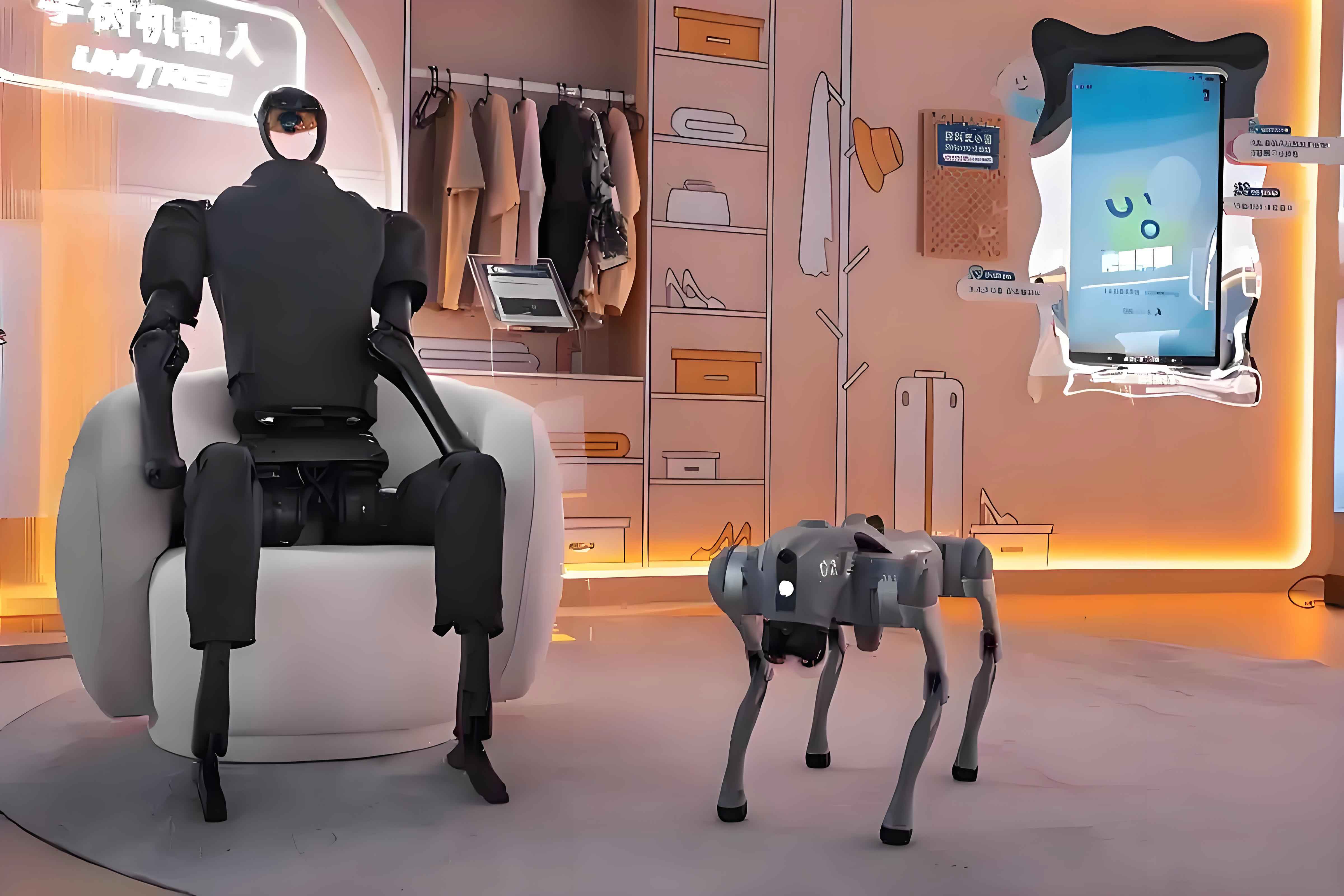
The policy positions industrial robots as the main field for seeking advancement and humanoid robots as a key field for future layout. It calls for efforts to seize the strategic opportunities of the 15th Five-Year Plan period, build competitive peaks in advantageous subsectors, and then move toward a broader plateau across the full industrial chain and ecosystem. The humanoid robot agenda is therefore not isolated from the province’s wider robotics strategy; it is presented as a forward-looking extension of an industrial base that already covers complete machines, core components, intelligent models, applications, and aftermarket services.
1. Strategic Goals Set for 2030 and 2035
According to the implementation opinions, by 2030 Anhui aims to place industrial robot output among the national front ranks, while humanoid robot output is to enter the national first tier. The province also aims to take a domestic leading position in robot output in more than 10 subsectors, including spraying, explosion-proof operations, warehousing and logistics, and photovoltaic cleaning. By 2035, the goal is to build a robot industry cluster with important national influence.
These targets give the humanoid robot sector a clear place within a staged development path. The 2030 goal focuses on scale, output, and leadership in specific application areas. The 2035 goal shifts toward cluster quality, ecosystem strength, and national influence. For companies working on humanoid robot platforms, core components, embodied intelligence software, and application integration, the policy signals that the province intends to combine near-term industrial robot strength with longer-term humanoid robot布局 and embodied intelligence capabilities.
| Timeline | Target |
|---|---|
| By 2030 | Industrial robot output enters the national front ranks; humanoid robot output enters the national first tier; robot output in more than 10 subsectors, including spraying, explosion-proof, warehousing and logistics, and photovoltaic cleaning, reaches a domestic leading level. |
| By 2035 | A robot industry cluster with important national influence is established. |
The policy document describes robotics and embodied intelligence as a track where Anhui has a foundation, advantages, and the certainty needed to move ahead. At a press conference on September 28 held by the provincial government information office, a responsible official from the provincial industry and information technology department said that robotics and embodied intelligence are among the strategic opportunities that must be seized during the 15th Five-Year Plan period. The official noted that an action plan for the development of the intelligent robot industry was issued and implemented last year, and that the new implementation opinions further clarify the division of strategic roles: industrial robots are the main field for advancing rank and competitiveness, while humanoid robots are a key area for future layout.
This dual approach is important for the humanoid robot ecosystem. It links the humanoid robot agenda to existing strengths in industrial applications, manufacturing capacity, component supply, and scenario development. It also recognizes that humanoid robot commercialization will depend on advances in intelligent models, motion control, sensors, actuators, and system integration, many of which overlap with broader robotics and embodied intelligence capabilities. By setting both near-term and long-term goals, the policy creates a framework in which humanoid robot development can draw on current industrial momentum while preparing for future scale.
2. Seven Key Tasks Form the Policy Framework
The implementation opinions set out seven key tasks. These tasks cover the industrial layout, technological innovation, investment and talent attraction, enterprise cultivation, scenario application, fiscal and financial support, and cooperation platforms. Together, they form a complete policy chain from research and planning to market application and financial backing. The humanoid robot sector appears within this framework as a future layout priority, while embodied intelligence is treated as a cross-cutting capability that can strengthen robots in multiple scenarios.
| Task | Main content |
|---|---|
| 1 | Optimize the industrial development layout by strengthening industrial research and planning, highlighting development priorities, promoting spatially differentiated layout, deepening vehicle-machine coordinated development, and increasing layout in complete machines, core components, intelligent models, and the aftermarket. |
| 2 | Strengthen industrial scientific and technological innovation by building an innovation platform system, intensifying key technology research, supporting the development of hit products, and making robotics a key support direction for provincial science and technology attack plans and industrial chain collaborative innovation policies. |
| 3 | Coordinate dual recruitment and dual introduction by targeting global and national excellent complete-machine enterprises, key component enterprises, and ecosystem partners, and by supporting qualified cities in issuing global top talent recruitment orders. |
| 4 | Cultivate high-quality enterprises in echelon by nurturing platform-based enterprises with ecosystem leadership, supporting the growth of science and technology enterprises and supporting enterprises, and supporting mergers and acquisitions, restructuring, and the development of service-oriented manufacturing. |
| 5 | Strengthen scenario application support by opening application scenarios, organizing scenario supply-demand matching, promoting the rapid replication of mature scenarios, encouraging government organs, public institutions, and enterprises to take the lead in opening scenarios, and encouraging cities to build typical robot scenarios and blocks. |
| 6 | Increase fiscal and financial support by upgrading and expanding fiscal support, establishing a 10-billion-yuan-scale robot industry fund cluster, and building a fiscal-financial coordination system. |
| 7 | Build high-level industrial cooperation platforms by forming a high-level strategic advisory committee, upgrading the industry association, and holding major brand events. |
The first task focuses on optimizing the industrial development layout. It calls for stronger industrial research and planning, clearer development priorities, spatially differentiated layout, and deeper vehicle-machine coordinated development. It also calls for greater layout in complete machines, core components, intelligent models, and the aftermarket. For the humanoid robot sector, this task is significant because humanoid robot development requires coordinated progress across hardware, software, models, and application services. A spatially differentiated layout can help cities and industrial parks avoid duplication and build complementary strengths. The emphasis on core components and intelligent models also directly supports the humanoid robot supply chain.
The second task focuses on industrial scientific and technological innovation. It calls for building an innovation platform system, intensifying key technology research, and supporting the development of hit products. Robotics is to be a key support direction for provincial science and technology attack plans and industrial chain collaborative innovation policies. For humanoid robot developers, this task creates a route for research funding, platform support, and collaborative innovation. Humanoid robot technology involves complex integration across perception, decision-making, motion control, energy systems, and human-robot interaction. A policy that prioritizes key technology research and hit products can help firms move from prototypes to reliable products and from isolated demonstrations to scalable applications.
The third task coordinates dual recruitment and dual introduction. It targets global and national excellent complete-machine enterprises, key component enterprises, and ecosystem partners. It also supports qualified cities in issuing global top talent recruitment orders. This task is relevant to the humanoid robot sector because humanoid robot innovation depends on high-level talent in artificial intelligence, mechanical engineering, control systems, materials, and software. It also depends on attracting component suppliers and ecosystem partners that can co-develop with platform companies. The policy’s emphasis on global recruitment and ecosystem partners suggests that Anhui intends to combine local industrial strength with external talent and investment.
The fourth task focuses on cultivating high-quality enterprises in echelon. It calls for nurturing platform-based enterprises with ecosystem leadership, supporting the growth of science and technology enterprises and supporting enterprises, and supporting mergers and acquisitions, restructuring, and the development of service-oriented manufacturing. In the humanoid robot field, platform-based enterprises can play a critical role in integrating components, models, and applications. Supporting enterprises can supply actuators, sensors, reducers, controllers, batteries, and other key parts. The policy’s support for mergers and acquisitions and service-oriented manufacturing can also help robot companies expand from equipment sales into maintenance, upgrades, data services, and scenario-based solutions.
The fifth task strengthens scenario application support. It calls for opening application scenarios, organizing scenario supply-demand matching, and promoting the rapid replication of mature scenarios. It encourages government organs, public institutions, and enterprises to take the lead in opening scenarios, and encourages cities to build typical robot scenarios and blocks. This task is central to the humanoid robot transition from demonstration to deployment. Humanoid robots need real-world scenarios to test reliability, safety, and usability. By encouraging public institutions and enterprises to open scenarios, the policy creates opportunities for humanoid robot trials in inspection, guidance, logistics, public services, and other settings. The emphasis on rapid replication also helps successful use cases move from one city or industry to another.
The sixth task increases fiscal and financial support. It calls for upgrading and expanding fiscal support, establishing a 10-billion-yuan-scale robot industry fund cluster, and building a fiscal-financial coordination system. This task provides the financial architecture for the entire robot industry, including humanoid robot research, component development, platform building, and scenario expansion. The fund cluster is intended to mobilize investment across the life cycle of robotics companies, while the fiscal-financial coordination system connects direct fiscal support with funds, credit, guarantees, and insurance.
The seventh task builds high-level industrial cooperation platforms. It calls for forming a high-level strategic advisory committee, upgrading the industry association, and holding major brand events. For the humanoid robot sector, such platforms can support standards discussion, technology exchange, investment matching, and international cooperation. Major brand events can also raise the visibility of humanoid robot products and attract ecosystem partners. The strategic advisory committee can provide expertise on long-term technology trends and industrial policy design.
3. Fiscal and Financial Coordination to Back Humanoid Robot and Robotics Development
The fiscal and financial coordination system is one of the most closely watched elements of the implementation opinions. The policy proposes a five-in-one system of fiscal support, funds, credit, guarantees, and insurance. From 2027 to 2030, Anhui will allocate 500 million yuan in provincial fiscal funds each year, focusing on key technology research, innovation platforms, scenario promotion, talent think tanks, and related areas. The policy also calls for promoting the establishment of a new provincial robot and embodied intelligence industry investment fund, adhering to the principles of investing early, investing small, investing in hard technology, and investing long-term.
This financial framework is relevant to the humanoid robot sector in several ways. Humanoid robot development requires long-cycle research and development, often with uncertain timelines for commercialization. Early-stage and small-scale investment can support startups working on actuators, sensors, control algorithms, and embodied intelligence models. Hard technology investment can support core component breakthroughs. Long-term investment can help platform companies sustain development through multiple product iterations. The combination of fiscal funds, industry funds, credit, guarantees, and insurance can also reduce financing constraints for companies moving from prototypes to production.
| Component | Policy direction |
|---|---|
| Fiscal support | From 2027 to 2030, 500 million yuan in provincial fiscal funds will be allocated each year, focusing on key technology research, innovation platforms, scenario promotion, talent think tanks, and related areas. |
| Funds | A new provincial robot and embodied intelligence industry investment fund will be promoted, with a focus on investing early, investing small, investing in hard technology, and investing long-term. |
| Credit, guarantees, and insurance | The policy calls for a five-in-one fiscal-financial coordination system that combines fiscal support, funds, credit, guarantees, and insurance. |
The annual fiscal allocation of 500 million yuan from 2027 to 2030 is intended to support strategic areas rather than replace market investment. The policy links fiscal support to key technology research, innovation platforms, scenario promotion, and talent think tanks. For humanoid robot development, these areas are interconnected. Key technology research produces new capabilities. Innovation platforms test and integrate those capabilities. Scenario promotion creates feedback from real applications. Talent think tanks support decision-making and ecosystem building. The humanoid robot sector can benefit from each of these elements, especially where humanoid robot platforms require collaboration among universities, research institutes, component suppliers, and application partners.
The proposed provincial robot and embodied intelligence industry investment fund adds a market-oriented layer to the policy. The principles of investing early, investing small, investing in hard technology, and investing long-term are particularly suited to the humanoid robot sector, where many companies are still in early stages and where technical breakthroughs can take time. The fund’s focus on embodied intelligence also aligns with the policy’s broader view that robots must become more intelligent, adaptive, and capable of operating in complex environments. For humanoid robot companies, embodied intelligence is not an add-on; it is a core requirement for perception, movement, interaction, and task execution.
4. Implementation Path: Scenarios, Vehicle-Machine Synergy, and Innovation Ecosystem
The policy blueprint is intended to become an industrial reality through a practical implementation path. The press conference indicated that the province’s implementation path has developed distinctive features: scenario-driven application, vehicle-machine synergy as an advantage, and an innovation ecosystem as support. These features are relevant to both industrial robots and humanoid robots. Scenarios provide demand signals and test environments. Vehicle-machine synergy connects robotics with advanced manufacturing and mobility-related capabilities. An innovation ecosystem brings together research platforms, enterprises, talent, and finance.
From January to August this year, Anhui newly signed 81 robot and embodied intelligence projects, with an investment value of 15.1 billion yuan. Several high-quality enterprises, including Zhuiji Dynamics, Yiyou Technology, Yuanhua Intelligence, and Youliqi, have established operations in Anhui. These developments suggest that the policy environment is already attracting investment and enterprise activity. For the humanoid robot sector, the arrival of embodied intelligence and robotics companies can strengthen the local supply chain, create opportunities for collaboration, and expand the talent pool.
The province has also moved scenario matching down to the enterprise level. It has focused on subsectors such as photovoltaic cleaning, polishing, and inspection, and has held seven rounds of matchmaking events under the “Opportunities with Machines” framework. More than 40 cooperation agreements have been reached, five projects have landed in Anhui, and a 2 million yuan polishing robot purchase order was reached between Xinjingjie and Changyuan Hydraulic. Zhongke Shengu intelligent inspection robots have entered Hefei West Railway Station. Shopping-guide robots have been applied in batches in more than 60 countries and regions. Smart police robots have been deployed in 22 cities across the country.
| Indicator | Result |
|---|---|
| Newly signed robot and embodied intelligence projects | 81 projects |
| Investment value of newly signed projects | 15.1 billion yuan |
| Scenario matchmaking events | Seven rounds |
| Cooperation agreements reached | More than 40 |
| Projects landed in Anhui through matchmaking | 5 projects |
| Polishing robot purchase order | 2 million yuan |
| Deployment examples | Intelligent inspection robots at Hefei West Railway Station; shopping-guide robots in more than 60 countries and regions; smart police robots in 22 cities |
These results show how scenario-driven implementation can create near-term demand while building longer-term capabilities. The humanoid robot sector can benefit from the same approach. Humanoid robots are often expected to operate in human-centered environments, which means they need diverse scenarios for testing and refinement. Inspection, guidance, logistics, public services, and industrial operations can provide valuable data and operational experience. Even when a humanoid robot is not yet fully general-purpose, targeted scenarios can help developers improve specific capabilities such as mobility, manipulation, perception, and interaction.
Vehicle-machine synergy is another distinctive feature of the implementation path. The policy calls for deepening vehicle-machine coordinated development. This can connect robotics with advanced manufacturing, intelligent vehicles, and related supply chains. For humanoid robots, vehicle-machine synergy may support the development of sensors, chips, control systems, power systems, and intelligent algorithms. It can also encourage cross-sector collaboration between automotive and robotics enterprises. Such collaboration can reduce costs, improve reliability, and accelerate the integration of embodied intelligence into physical platforms.
The innovation ecosystem is the third support pillar. The policy calls for building an innovation platform system, strengthening key technology research, supporting hit products, attracting talent, and developing financial support. These elements are mutually reinforcing. Innovation platforms can test and validate humanoid robot technologies. Hit products can demonstrate commercial viability. Talent recruitment can strengthen research and engineering capabilities. Financial support can sustain long development cycles. Together, they form an ecosystem that supports both incremental improvements in industrial robots and longer-term breakthroughs in humanoid robots.
5. Humanoid Robot Focus and Embodied Intelligence Implications
The policy places humanoid robots as a key field for future layout. This positioning reflects both the strategic importance of humanoid robot technology and the reality that commercialization will require sustained investment. Humanoid robots combine complex mechanical systems, advanced sensors, real-time control, artificial intelligence, and human-robot interaction. They must operate safely in environments designed for people, adapt to unstructured tasks, and manage energy and reliability constraints. These challenges make humanoid robot development a long-term endeavor that benefits from coordinated policy support.
Embodied intelligence is central to this agenda. A humanoid robot must perceive its surroundings, understand tasks, plan actions, and control its body in real time. Embodied intelligence connects artificial intelligence with physical action. It enables a humanoid robot to learn from interaction, adapt to changing environments, and improve task performance. The policy’s emphasis on intelligent models, innovation platforms, key technology research, and scenario application aligns with the needs of embodied intelligence development. It also supports the integration of software and hardware, which is essential for humanoid robot reliability and usability.
The humanoid robot supply chain can benefit from the policy’s focus on complete machines, core components, intelligent models, and the aftermarket. Complete-machine companies can drive system integration and product definition. Core component suppliers can develop actuators, reducers, sensors, controllers, and power systems. Intelligent model developers can provide perception, planning, and interaction capabilities. Aftermarket service providers can support maintenance, upgrades, training, and application customization. A coordinated supply chain can reduce costs, improve quality, and accelerate iteration.
The policy’s enterprise cultivation measures also matter for humanoid robot companies. Platform-based enterprises with ecosystem leadership can coordinate multiple suppliers and application partners. Science and technology enterprises can focus on specific technology breakthroughs. Supporting enterprises can provide specialized components and services. Mergers and acquisitions and restructuring can help companies scale and integrate capabilities. Service-oriented manufacturing can create recurring revenue streams and deepen customer relationships. For humanoid robot companies, these measures can support the transition from project-based development to sustainable business models.
Talent is another critical factor. The policy supports qualified cities in issuing global top talent recruitment orders and calls for a high-level strategic advisory committee. Humanoid robot development requires expertise in mechanical engineering, electronics, control science, computer science, artificial intelligence, materials, and human factors. It also requires interdisciplinary collaboration and hands-on engineering experience. By attracting global talent and building advisory platforms, the policy can help create a knowledge base that supports humanoid robot innovation.
6. Industrial Layout, Cooperation Platforms, and Long-Term Cluster Development
The implementation opinions emphasize optimizing the industrial development layout and promoting spatially differentiated development. This approach can help different cities and regions build on their existing strengths rather than compete in identical areas. Some regions may focus on complete machines, others on core components, intelligent models, aftermarket services, or application scenarios. For the humanoid robot sector, a differentiated layout can support specialization across the supply chain. Component clusters can achieve economies of scale, while application clusters can generate diverse scenarios and user feedback.
The policy also calls for building high-level industrial cooperation platforms, including a high-level strategic advisory committee, an upgraded industry association, and major brand events. These platforms can support coordination among enterprises, research institutions, and government agencies. They can also promote standards, testing methods, and best practices. For humanoid robots, standards and testing are especially important because safety, reliability, and interoperability are essential for market acceptance. Cooperation platforms can help stakeholders address these issues collectively.
Major brand events can raise public awareness and attract investment. They can also create opportunities for humanoid robot demonstrations and business matching. An upgraded industry association can provide services such as policy advocacy, market information, training, and international cooperation. A strategic advisory committee can offer long-term guidance on technology trends and industrial strategy. These platforms complement the fiscal and financial measures by strengthening coordination and knowledge sharing.
The long-term goal of building a robot industry cluster with important national influence by 2035 requires sustained effort across the entire ecosystem. The humanoid robot sector can be a flagship area within this cluster, demonstrating advanced integration of mechanics, electronics, software, and artificial intelligence. At the same time, industrial robots and specialized robots in areas such as spraying, explosion-proof operations, warehousing and logistics, and photovoltaic cleaning can provide stable demand and commercial foundations. The combination of near-term industrial applications and long-term humanoid robot development can create a balanced growth path.
7. From Policy Blueprint to Industrial Reality
The policy’s emphasis on scenario opening, enterprise cultivation, fiscal support, and cooperation platforms provides a practical route from blueprint to implementation. The early results from January to August show that project signing, scenario matching, and application deployment are already moving forward. The humanoid robot sector can build on this momentum by using industrial scenarios to test components and systems, by attracting talent and investment, and by participating in innovation platforms and cooperation networks.
For enterprises, the policy signals several priorities. First, humanoid robot developers should align with the province’s focus on complete machines, core components, intelligent models, and the aftermarket. Second, they should seek opportunities in scenario opening and matchmaking activities. Third, they should explore fiscal and financial support programs, including the planned robot and embodied intelligence industry investment fund. Fourth, they should engage with innovation platforms, industry associations, and strategic advisory mechanisms. Fifth, they should consider vehicle-machine synergy and cross-sector collaboration as a route to strengthen supply chains and reduce costs.
For the broader industrial ecosystem, the policy creates a framework for coordination. Research institutions can participate in key technology research and innovation platforms. Component suppliers can benefit from the emphasis on core components and supply chain development. Application users can contribute scenarios and feedback. Financial institutions can support companies through credit, guarantees, and insurance. Local governments can promote differentiated layouts and scenario building. This multi-stakeholder approach is essential for humanoid robot development, which requires long-term commitment and integration across many fields.
The humanoid robot sector remains at an early stage of development, but the policy direction is clear. Anhui aims to combine its existing robotics base with embodied intelligence capabilities, using industrial robots as a near-term foundation and humanoid robots as a future growth engine. The 2030 targets for humanoid robot output and the 2035 cluster goal provide a timeline for progress. The seven key tasks provide a policy framework. The fiscal and financial coordination system provides resources. The implementation path provides practical mechanisms for scenarios, collaboration, and ecosystem building.
As the policy moves into implementation, the humanoid robot sector will be watched as a test of how well the province can integrate research, manufacturing, finance, talent, and applications. The early project and scenario data suggest that the industrial base is active. The policy’s success will depend on sustained execution, effective coordination, and the ability to turn scenarios into scalable markets. If the implementation path works as intended, the humanoid robot sector can become a visible symbol of Anhui’s broader ambition to build a nationally influential robotics and embodied intelligence cluster.