
On September 8, the launch event for the Dongguan Embodied Intelligence Training Field and the 2026 Dongguan Artificial Intelligence Trainer Competition was held at the Dongguan Data Annotation Industrial Park. The event was organized to support the high-quality development of Dongguan’s embodied intelligence industry. Zeng Jianpeng, member of the Standing Committee of the Dongguan Municipal Committee and executive deputy mayor, attended the event.
During the event, Dongguan’s first embodied intelligence training field was officially opened. The municipal artificial intelligence trainer competition began. Guangdong Medical University released the Medical Health Industry Model-Data Co-creation Center. Ten key enterprises signed agreements to land in Dongguan. These developments were presented as new momentum for Dongguan’s artificial intelligence development and for the wider embodied intelligence ecosystem.
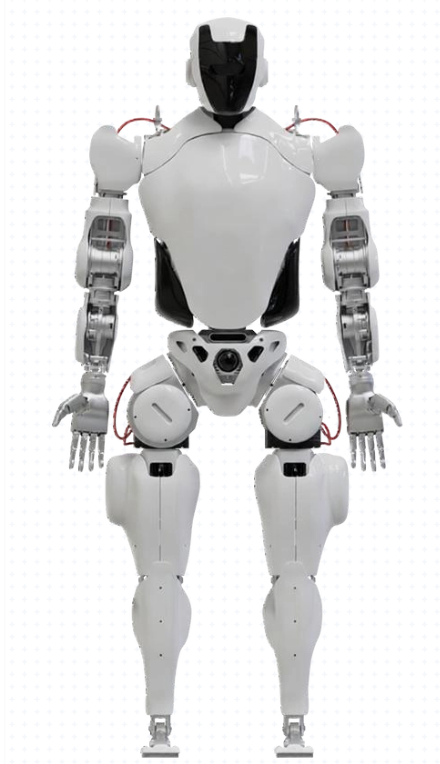
- Event Overview and Strategic Direction
The launch event brought together a series of announcements that together point to a coordinated approach to embodied intelligence in Dongguan. The opening of the city’s first embodied intelligence training field was the central announcement. The start of the 2026 Dongguan Artificial Intelligence Trainer Competition added a talent-development dimension. The release of the Medical Health Industry Model-Data Co-creation Center by Guangdong Medical University extended the discussion into health care data and artificial intelligence applications. The signing of ten key enterprises provided an industrial landing dimension.
Mo Yubin, deputy secretary of the Wanjiang Party Working Committee and director of the Wanjiang Subdistrict Office, said that the embodied intelligence training field is a core platform for promoting embodied intelligence technology to empower the transformation and upgrading of Dongguan’s manufacturing sector. He noted that, under the leadership of the Dongguan Municipal Party Committee and the Dongguan Municipal Government, and with the guidance and support of relevant municipal departments, Wanjiang Subdistrict took the lead in planning and building the Guangdong-Hong Kong-Macao Greater Bay Area high-end data annotation industrial park. It also built the city’s first embodied intelligence training field. Through these efforts, Wanjiang successfully established a distinctive industrial development model described as data foundation, scenario training model, and intelligent manufacturing landing.
Tan Xumian, director of the Dongguan Municipal Bureau of Industry and Information Technology, said that the bureau will fully promote manufacturing enterprises to open their production scenarios. The aim is to let algorithms run on production lines and let models train in factories. In this way, Dongguan’s manufacturing advantages can be transformed into a first-mover advantage in scenario landing. He also said that through competition, the city can discover talent and retain key personnel. At the same time, it can attract more enterprises, universities, and research institutions to join, so that a vibrant and competitive embodied intelligence industry ecosystem can be built together.
The strategic direction is clear. Embodied intelligence is not treated as a stand-alone technology theme. It is connected to manufacturing transformation, data annotation, model training, talent cultivation, enterprise recruitment, and health care applications. The event therefore served as both a launch ceremony and a coordination platform for embodied intelligence development in Dongguan.
For Dongguan, the event represents a step toward integrating embodied intelligence into the city’s industrial development strategy. The presence of government officials, enterprise representatives, academic institutions, and competition organizers indicates that embodied intelligence is being approached as a shared undertaking. The event also shows that embodied intelligence development depends on more than algorithms. It depends on data, scenarios, infrastructure, talent, validation, and commercial application. Each announcement at the event addressed one or more of these elements.
The launch of the embodied intelligence training field is especially significant because it provides a physical and operational base for embodied intelligence work. The competition provides a talent pathway. The medical co-creation center provides a sector-specific model for data annotation, model training, validation, and transformation. The enterprise signings provide market participation. Together, these elements form a practical foundation for the next stage of embodied intelligence growth in Dongguan.
- The Dongguan Embodied Intelligence Training Field
The Dongguan embodied intelligence training field is the first of its kind in the city. It is positioned as a core platform for promoting embodied intelligence and enabling it to empower manufacturing upgrading. Its launch marks a practical step from general artificial intelligence experimentation toward embodied intelligence deployment in real industrial settings.
The training field is designed to focus on high-frequency industrial processes and to replicate the real working conditions of Dongguan manufacturing. This focus is intended to solve the bottleneck of difficult real-scene landing. In embodied intelligence, algorithms and models must operate in physical environments. They must handle variation, movement, tools, materials, and production rhythms. The Dongguan training field addresses this need by providing an industrial environment where embodied intelligence systems can be trained, tested, and improved.
The first phase of the training field was invested in by a state-owned enterprise with 50 million yuan. It covers 5,000 square meters. It is equipped with more than 50 heterogeneous bodies and more than 100 new body-free data collection devices such as UMI. These devices are continuing to enter the facility. The training field is described as a scarce specialized industrial training carrier in the Guangdong-Hong Kong-Macao Greater Bay Area.
The training field also cooperates with the Beijing Humanoid Robot Innovation Center. Through this cooperation, it will export full-chain services including toolchain authorization, dataset opening, and technical support. These services are expected to help enterprises reduce research and development investment and accelerate the industrialization of technological achievements. For Dongguan’s embodied intelligence sector, this means that companies do not need to build every part of the training and data pipeline alone. They can access specialized infrastructure and services.
The training field is therefore more than a physical space. It is an industrial platform for embodied intelligence. It combines data collection, scenario replication, model training, toolchain support, and commercialization support. It connects the city’s manufacturing base with the technical requirements of embodied intelligence.
In the context of embodied intelligence, real-world data is essential. Embodied intelligence systems learn from interaction with physical environments. They need data that reflects the complexity of factories, warehouses, production lines, and other operational settings. The Dongguan training field is designed to provide such data by replicating real working conditions and focusing on high-frequency industrial processes. This approach can help embodied intelligence developers build systems that are better prepared for deployment.
The training field also supports collaboration. It can host enterprises, research teams, and talent programs. It can serve as a venue for data collection, model training, engineering application exercises, and competition activities. By bringing different users together, it can create shared knowledge and reusable datasets. This is important for embodied intelligence because progress in the field depends on both technical innovation and ecosystem coordination.
- Facility Profile and Industrial Focus
The following table summarizes the key publicly announced features of the Dongguan embodied intelligence training field.
Feature Announced Detail Relevance to Embodied Intelligence Status Dongguan’s first embodied intelligence training field Provides a dedicated platform for embodied intelligence training and validation First-phase investment 50 million yuan by a state-owned enterprise Supports infrastructure for embodied intelligence development Area 5,000 square meters Provides physical space for equipment, data collection, and training Equipment More than 50 heterogeneous bodies Supports testing and training across different embodied intelligence forms Data collection devices More than 100 new body-free data collection devices such as UMI, continuing to enter Supports scenario data collection for embodied intelligence Industrial focus High-frequency industrial processes and real Dongguan manufacturing conditions Connects embodied intelligence to real production environments Cooperation Beijing Humanoid Robot Innovation Center Provides toolchain authorization, dataset opening, and technical support Service model Full-chain services Helps enterprises reduce research and development investment and accelerate industrialization These features show how the training field is built around the practical needs of embodied intelligence. The heterogeneous bodies allow different forms of embodied intelligence systems to be tested. The body-free data collection devices support the gathering of scenario data. The industrial focus ensures that the data and models are connected to real production tasks rather than only laboratory conditions.
Dongguan’s manufacturing ecosystem provides many potential scenarios. The training field focuses on high-frequency industrial processes. This focus is important because high-frequency processes generate repeated data and clear operational requirements. They can support training, validation, and iteration. By replicating real working conditions, the training field helps embodied intelligence developers understand how their systems perform when confronted with the complexity of actual factories.
The training field also serves as a shared resource. It can support enterprises, research teams, and talent-training programs. It can host data collection, model training, and engineering application exercises. It can also support competition activities such as the artificial intelligence trainer competition. In this sense, the training field is both an infrastructure project and an ecosystem project for embodied intelligence.
The cooperation with the Beijing Humanoid Robot Innovation Center adds another layer. Toolchain authorization can help enterprises use established development tools. Dataset opening can provide access to valuable training data. Technical support can help teams solve engineering problems. These services can reduce the time and cost required to move from embodied intelligence concepts to working systems. For a city like Dongguan, where manufacturing enterprises may have strong domain knowledge but limited embodied intelligence experience, such support can be particularly useful.
- 2026 Dongguan Artificial Intelligence Trainer Competition
The 2026 Dongguan Artificial Intelligence Trainer Competition was launched at the same event. The competition is jointly organized by the Dongguan Municipal Human Resources and Social Security Bureau, the Dongguan Municipal Science and Technology Bureau, the Dongguan Municipal Federation of Trade Unions, and the Wanjiang Subdistrict Office.
The competition aligns with the Level 3 (Senior Worker) national vocational skill standard for artificial intelligence trainers. It closely follows new industrial technologies and new equipment. It focuses on assessing participants’ practical abilities in data processing, annotation review, model training, and engineering application.
The competition is open to practitioners across the city and to teachers and students in relevant majors at colleges and schools. It has two stages. The preliminary stage is a theoretical computer-based examination. The final stage is a practical competition. The competition relies on the computing power, scenarios, and enterprise resources of the Data Annotation Industrial Park to create a competition environment that is closely connected to actual industry needs.
The competition is intended to build a talent cultivation chain: competition selects talent, training nurtures talent, evaluation recognizes talent, and industry uses talent. This chain is designed to reserve high-skill talent for Dongguan’s artificial intelligence and data annotation industries. For embodied intelligence, such talent is essential. Embodied intelligence requires not only algorithms but also data processing, annotation quality, model training, testing, and deployment skills.
The competition therefore has a direct connection to the embodied intelligence training field. The training field provides scenarios and equipment. The competition provides a way to identify and develop talent. Together, they support the human foundation of Dongguan’s embodied intelligence industry.
The competition also reflects the growing importance of artificial intelligence trainers in the embodied intelligence era. As embodied intelligence systems move into factories and other physical environments, the demand for workers who can handle data, annotate scenarios, review quality, train models, and support engineering applications will increase. The competition helps define and recognize these skills. It also creates a visible pathway for practitioners and students who want to work in artificial intelligence and embodied intelligence.
By using the Data Annotation Industrial Park’s computing power, scenarios, and enterprise resources, the competition is not a purely academic exercise. It is connected to the same infrastructure that supports the embodied intelligence training field. This connection helps ensure that competition tasks reflect real industry needs. It also helps enterprises identify talent that can contribute to embodied intelligence projects.
- Competition Structure and Talent Chain
The following table summarizes the announced structure and focus of the 2026 Dongguan Artificial Intelligence Trainer Competition.
Element Announced Detail Connection to Embodied Intelligence Organizers Dongguan Municipal Human Resources and Social Security Bureau, Dongguan Municipal Science and Technology Bureau, Dongguan Municipal Federation of Trade Unions, Wanjiang Subdistrict Office Brings together talent, technology, labor, and local coordination for embodied intelligence workforce development Standard Level 3 (Senior Worker) national vocational skill standard for artificial intelligence trainers Provides a recognized skills framework for artificial intelligence training work Focus New industrial technologies and new equipment Keeps training aligned with evolving embodied intelligence tools and platforms Assessment areas Data processing, annotation review, model training, and engineering application Covers key stages in embodied intelligence data and model pipelines Participants Citywide practitioners and teachers and students in relevant majors Builds a broad talent pool for embodied intelligence Stages Preliminary theoretical computer-based examination and final practical competition Tests both knowledge and applied skills Resource base Computing power, scenarios, and enterprise resources of the Data Annotation Industrial Park Connects competition tasks to real embodied intelligence infrastructure Talent chain Competition selects talent, training nurtures talent, evaluation recognizes talent, industry uses talent Creates a sustainable pipeline for embodied intelligence talent The competition’s structure reflects the needs of the artificial intelligence training sector. The preliminary theoretical computer-based examination tests foundational knowledge. The final practical competition tests the ability to apply knowledge in realistic tasks. By covering data processing, annotation review, model training, and engineering application, the competition addresses the main stages of artificial intelligence training work.
For embodied intelligence, these stages are closely linked. Embodied intelligence systems depend on high-quality data from physical environments. They depend on annotation and review to ensure that data is useful. They depend on model training to turn data into capabilities. They depend on engineering application to move from trained models to deployed systems. The competition therefore helps prepare talent for the embodied intelligence pipeline.
The talent chain described by the organizers is also relevant to the broader embodied intelligence ecosystem. Competition selects talent. Training nurtures talent. Evaluation recognizes talent. Industry uses talent. This chain connects education, skills assessment, employment, and industrial development. It supports the goal of building a sustainable embodied intelligence workforce in Dongguan.
The competition also helps raise awareness of embodied intelligence careers. By opening participation to practitioners, teachers, and students, it encourages more people to consider roles in artificial intelligence training, data annotation, model development, and engineering application. These roles are essential for embodied intelligence because the field requires both advanced technical work and large-scale data operations.
- Medical Health Industry Model-Data Co-creation Center
Guangdong Medical University released the Medical Health Industry Model-Data Co-creation Center at the event. The center focuses on the development and utilization of health care data elements and the development of the artificial intelligence industry. It is described as a comprehensive industrial co-creation center that integrates data annotation, model training and validation, talent cultivation, and achievement transformation.
The center is organized around six industrial elements: data, computing power, algorithm, scenario, talent, and transaction. It will focus on building three major centers: a health medical data annotation center, a health medical artificial intelligence training and validation center, and a health medical artificial intelligence talent cultivation center.
The center will also promote health medical artificial intelligence algorithms, agents, intelligent diagnosis and treatment systems, and health management achievements to carry out pilot-scale validation and scenario application. It aims to form an industrial chain that includes data supply, professional annotation, model training, clinical validation, achievement transformation, and market transaction.
This initiative expands the event’s scope beyond manufacturing and embodied intelligence into health care. However, it shares a common foundation with embodied intelligence: high-quality data, annotation, model training, validation, and talent. In both manufacturing and health care, artificial intelligence systems need reliable data and rigorous validation. The Medical Health Industry Model-Data Co-creation Center therefore complements the embodied intelligence training field by strengthening the broader data and model ecosystem in Dongguan.
For embodied intelligence, the medical initiative offers a parallel model. Embodied intelligence in manufacturing requires scenario data, annotation, model training, validation in real environments, and transformation into deployed systems. The medical co-creation center applies a similar logic to health care data. It creates centers for annotation, training and validation, and talent cultivation. It also builds a chain from data supply to market transaction. This kind of integrated approach can support the growth of artificial intelligence and embodied intelligence across different sectors.
The center’s focus on talent cultivation is especially relevant. Artificial intelligence and embodied intelligence both need skilled people who can work with data, models, and domain scenarios. By building a talent cultivation center for health medical artificial intelligence, Guangdong Medical University is contributing to the broader regional talent pool. This can support embodied intelligence indirectly by increasing the number of people with data and model skills.
The Medical Health Industry Model-Data Co-creation Center also shows that data elements are becoming a central concern in artificial intelligence development. The event described health care data element development and utilization as a focus. This aligns with the broader message that high-quality scenario data is a core foundation for artificial intelligence and embodied intelligence industrialization. In health care, data must be carefully managed, annotated, and validated. In manufacturing embodied intelligence, scenario data must also be collected and structured. Both domains require robust data pipelines and professional talent.
- Enterprise Signing and Platform Coordination
Ten key enterprises signed agreements to land in Dongguan at the event. This signing added an enterprise deployment dimension to the launch. The event also included the opening of the embodied intelligence training field, the start of the artificial intelligence trainer competition, and the release of the Medical Health Industry Model-Data Co-creation Center.
These announcements show a multi-platform approach. The embodied intelligence training field supports scenario data and model training. The competition supports talent development. The medical co-creation center supports health care data, annotation, training, validation, and transformation. The enterprise signings support industrial landing. Together, they create a coordinated platform for embodied intelligence and artificial intelligence development.
Current artificial intelligence industry development is moving from general large model competition toward embodied intelligence real-scene landing. In this shift, high-quality scenario data has become a core foundation of industrial development. Dongguan’s rich manufacturing application scenarios are described as the city’s strongest confidence for mining high-quality scenario data and developing embodied intelligence.
The enterprise signings therefore are not isolated commercial events. They are connected to the city’s effort to build an embodied intelligence industrial ecosystem. Enterprises can use the training field, access data and toolchains, participate in talent programs, and collaborate with research institutions. The event provided a platform for these connections to begin.
Platform coordination is important for embodied intelligence because the field spans many activities. It involves data collection, annotation, model design, training, simulation, physical testing, deployment, maintenance, and continuous improvement. A single enterprise may specialize in one or two of these areas. By coordinating multiple platforms, Dongguan can support the entire embodied intelligence value chain. The training field, competition, medical center, and enterprise signings each address different parts of that chain.
The event also shows that embodied intelligence development can attract enterprises. The ten key enterprise signings indicate commercial interest in Dongguan’s artificial intelligence and embodied intelligence direction. This interest may be related to the city’s manufacturing base, the new training field, the data annotation industrial park, and the talent initiatives. By bringing these elements together, the event creates a stronger value proposition for enterprises considering embodied intelligence work in Dongguan.
- Embodied Intelligence as a Manufacturing Upgrade Engine
The Dongguan embodied intelligence training field is described as a core platform for promoting embodied intelligence technology to empower manufacturing transformation and upgrading. This positioning reflects the city’s industrial character. Dongguan has a strong manufacturing base and a wide range of application scenarios. These scenarios are valuable for embodied intelligence because embodied intelligence systems must learn from and operate in physical environments.
Embodied intelligence is different from purely digital artificial intelligence. It involves physical bodies, sensors, movement, manipulation, and interaction with real-world settings. For manufacturing, embodied intelligence can support tasks that require perception, decision-making, and action. The training field’s focus on high-frequency industrial processes and real working conditions is designed to support these capabilities.
The goal of letting algorithms run on production lines and models train in factories captures the practical direction of embodied intelligence in Dongguan. Instead of developing models only in laboratories, the city aims to connect embodied intelligence development to actual production. This connection can help transform Dongguan’s manufacturing advantage into a first-mover advantage in scenario landing.
The training field also supports cooperation with the Beijing Humanoid Robot Innovation Center. This cooperation includes toolchain authorization, dataset opening, and technical support. Such full-chain services can help enterprises reduce research and development investment and accelerate the industrialization of technological achievements. For embodied intelligence companies, this can lower barriers and shorten development cycles.
The event therefore presents embodied intelligence as a manufacturing upgrade engine. It links embodied intelligence to data annotation, model training, talent, enterprise recruitment, and health care applications. It positions embodied intelligence as part of Dongguan’s broader artificial intelligence and industrial development strategy.
Manufacturing upgrading requires more than automation. It requires systems that can perceive, adapt, and act in complex environments. Embodied intelligence offers a path toward such systems. In Dongguan, the training field provides a controlled but realistic environment for developing these capabilities. It allows embodied intelligence systems to encounter industrial processes, tools, and materials. It also allows developers to collect data and refine models based on real conditions.
The connection between embodied intelligence and manufacturing also creates opportunities for workers. As embodied intelligence systems are deployed, new roles may emerge in data collection, annotation, model training, system testing, and maintenance. The artificial intelligence trainer competition helps prepare people for these roles. The training field provides a place where these skills can be practiced. The enterprise signings create potential employers. Together, these elements support a manufacturing upgrade driven by embodied intelligence.
- Why Scenario Data and Real-World Training Matter
The event highlighted that high-quality scenario data has become a core foundation of industrial development as artificial intelligence moves toward embodied intelligence real-scene landing. This is a key point for understanding the Dongguan embodied intelligence training field.
Embodied intelligence systems need data that reflects real environments. They need data about objects, movements, tools, materials, workflows, and exceptions. They need annotation and review to make that data useful for training. They need validation in scenarios that resemble deployment conditions. The training field provides these elements by replicating real working conditions and focusing on high-frequency industrial processes.
Dongguan’s manufacturing application scenarios are described as the city’s strongest confidence for developing embodied intelligence. This is because manufacturing provides a large variety of physical tasks and repeated processes. These can generate scenario data and create opportunities for embodied intelligence training. The training field turns these scenarios into a structured environment for data collection and model development.
The training field’s equipment, including heterogeneous bodies and body-free data collection devices such as UMI, supports different approaches to embodied intelligence data collection. The presence of multiple bodies allows testing across forms. The body-free devices support data collection without relying only on a specific robot body. This diversity can help enterprises and researchers develop embodied intelligence systems that are more adaptable.
The cooperation with the Beijing Humanoid Robot Innovation Center adds toolchain and dataset support. This means that the training field is not only collecting data but also providing services that help users turn data into models and applications. The full-chain service approach is important for embodied intelligence because the path from data to deployment involves many steps.
Real-world training also helps address the gap between simulation and deployment. Embodied intelligence models may perform well in simulated environments but face challenges in real factories. Factors such as lighting, vibration, material variation, and human interaction can affect performance. The Dongguan training field allows embodied intelligence systems to encounter these factors in a controlled setting. This can improve robustness and readiness for deployment.
Scenario data also supports continuous improvement. Once an embodied intelligence system is deployed, it can continue to generate data. That data can be used to refine models and improve performance. The training field and data annotation industrial park can support this cycle. They can provide the infrastructure for collecting, annotating, training, validating, and redeploying embodied intelligence systems. This cycle is central to the long-term success of embodied intelligence in manufacturing.
- Institutional Cooperation and Ecosystem Building
The event demonstrated institutional cooperation across government, industry, academia, and research. The Dongguan Municipal Human Resources and Social Security Bureau, the Dongguan Municipal Science and Technology Bureau, the Dongguan Municipal Federation of Trade Unions, and the Wanjiang Subdistrict Office jointly organized the artificial intelligence trainer competition. The Dongguan Municipal Bureau of Industry and Information Technology outlined support for manufacturing enterprises to open production scenarios. Guangdong Medical University released the Medical Health Industry Model-Data Co-creation Center. The Beijing Humanoid Robot Innovation Center cooperates with the embodied intelligence training field. Ten key enterprises signed agreements to land in Dongguan.
This cooperation is important for embodied intelligence because the field requires inputs from many sectors. It needs industrial scenarios, data annotation capacity, computing power, model development, engineering talent, validation environments, and commercialization pathways. No single organization can provide all of these. The event brought these elements together.
The competition also contributes to ecosystem building by connecting talent development to industry needs. It is open to practitioners and to teachers and students in relevant majors. It uses the computing power, scenarios, and enterprise resources of the Data Annotation Industrial Park. This makes the competition a bridge between education, skills, and employment.
The Medical Health Industry Model-Data Co-creation Center adds another node to the ecosystem. It focuses on health care data and artificial intelligence. Its three centers cover annotation, training and validation, and talent cultivation. Its industrial chain covers data supply, professional annotation, model training, clinical validation, achievement transformation, and market transaction. This is a comprehensive approach that mirrors the needs of embodied intelligence in manufacturing.
Together, these institutions and initiatives build an ecosystem for embodied intelligence and artificial intelligence in Dongguan. The ecosystem includes data, scenarios, talent, enterprises, research, validation, and market application.
Ecosystem building also requires coordination across time. The training field can support immediate data collection and model training. The competition can develop talent for current and future needs. The medical center can create longer-term data and validation infrastructure. The enterprise signings can bring commercial activity. The cooperation with the Beijing Humanoid Robot Innovation Center can bring external expertise and tools. These efforts can reinforce one another.
For embodied intelligence, this kind of ecosystem is essential. Embodied intelligence is not only a software problem. It involves hardware, data, environments, safety, and integration with existing workflows. Progress depends on collaboration between technology developers, domain experts, workers, and institutions. The event showed that Dongguan is building a platform for such collaboration.
- Expected Outcomes and Industry Implications
The launch event pointed to several expected outcomes. The embodied intelligence training field is expected to help solve the bottleneck of real-scene landing. It is expected to help enterprises reduce research and development investment. It is expected to accelerate the industrialization of technological achievements. The artificial intelligence trainer competition is expected to discover talent, retain key personnel, and attract more enterprises, universities, and research institutions. The Medical Health Industry Model-Data Co-creation Center is expected to promote health medical artificial intelligence algorithms, agents, intelligent diagnosis and treatment systems, and health management achievements through pilot-scale validation and scenario application. The ten key enterprise signings are expected to add new momentum to Dongguan’s artificial intelligence development.
For the embodied intelligence industry, the implications are significant. A specialized training field with real industrial scenarios can support data collection, model training, and validation. Cooperation with the Beijing Humanoid Robot Innovation Center can provide toolchain authorization, dataset opening, and technical support. A talent competition can build a pipeline of skilled workers. A medical co-creation center can strengthen data annotation and model validation in another domain. Enterprise signings can bring commercial activity.
Dongguan’s manufacturing base gives the city a strong position in embodied intelligence scenario development. The training field focuses on high-frequency industrial processes and replicates real working conditions. This connects embodied intelligence to actual production. The goal of letting algorithms run on production lines and models train in factories reflects a practical, deployment-oriented approach.
The event also showed that embodied intelligence development is not limited to technology. It includes industrial policy, talent strategy, data governance, platform building, enterprise recruitment, and cross-sector cooperation. The Dongguan embodied intelligence training field is therefore a platform for both technology and ecosystem development.
In the broader artificial intelligence landscape, the shift from general large model competition toward embodied intelligence real-scene landing places new demands on data and infrastructure. General models can learn from large-scale digital data. Embodied intelligence requires data from physical interaction. It requires environments where systems can act and receive feedback. It requires validation in conditions that resemble deployment. The Dongguan training field is designed to meet these demands for manufacturing scenarios.
The medical co-creation center shows that similar demands exist in health care. Health care artificial intelligence systems also need high-quality data, annotation, training, validation, and transformation. By building a comprehensive center, Guangdong Medical University is contributing to the region’s ability to develop and validate artificial intelligence applications. This can support the broader artificial intelligence ecosystem that embodied intelligence also depends on.
The competition adds a human dimension. Technology alone is not enough. Skilled people are needed to process data, annotate scenarios, review quality, train models, and apply engineering methods. The competition helps identify and encourage such people. It also helps set expectations for skills and knowledge in the artificial intelligence training profession. This is valuable for embodied intelligence because embodied intelligence projects require teams with diverse skills.
- Summary of Key Announcements
The following table summarizes the main announcements from the event and their connection to embodied intelligence and artificial intelligence development.
Announcement Key Announced Detail Connection to Embodied Intelligence Dongguan Embodied Intelligence Training Field First in Dongguan, officially opened at the event Provides a core platform for embodied intelligence training and real-scene landing Training field first phase 50 million yuan state-owned investment, 5,000 square meters, more than 50 heterogeneous bodies, more than 100 new body-free data collection devices such as UMI Supports embodied intelligence data collection, testing, and model training Training field cooperation Cooperation with Beijing Humanoid Robot Innovation Center for toolchain authorization, dataset opening, and technical support Provides full-chain services for embodied intelligence development 2026 Dongguan Artificial Intelligence Trainer Competition Jointly organized by municipal departments and Wanjiang Subdistrict Office; aligned with Level 3 (Senior Worker) standard Builds talent for artificial intelligence and embodied intelligence data and model work Competition stages Preliminary theoretical computer-based examination and final practical competition Tests knowledge and applied skills for artificial intelligence training Medical Health Industry Model-Data Co-creation Center Released by Guangdong Medical University; focuses on health care data element development and artificial intelligence industry development Strengthens data annotation, model training and validation, talent cultivation, and transformation Medical center structure Three centers for health medical data annotation, artificial intelligence training and validation, and talent cultivation Provides a sector model for data-driven artificial intelligence development Enterprise signings Ten key enterprises signed agreements to land in Dongguan Adds industrial participation and commercial momentum for embodied intelligence and artificial intelligence Industrial model Data foundation, scenario training model, and intelligent manufacturing landing Connects embodied intelligence to Dongguan’s manufacturing transformation The key announcements from the event are connected by a common focus on embodied intelligence and artificial intelligence development. The Dongguan embodied intelligence training field provides infrastructure and scenarios. The artificial intelligence trainer competition provides talent development. The Medical Health Industry Model-Data Co-creation Center provides data, validation, and transformation in health care. The ten key enterprise signings provide industrial participation. Together, they support the high-quality development of Dongguan’s embodied intelligence industry.
The event was held at the Dongguan Data Annotation Industrial Park. It was attended by Zeng Jianpeng, member of the Standing Committee of the Dongguan Municipal Committee and executive deputy mayor. Officials from Wanjiang Subdistrict and the Dongguan Municipal Bureau of Industry and Information Technology spoke about the strategic direction. The event concluded with a set of launches, signings, and cooperation announcements that position Dongguan for further embodied intelligence development.
For Dongguan, the significance of the event lies in the combination of infrastructure, talent, data, validation, and enterprise participation. Embodied intelligence requires all of these elements to move from research to real-world application. The training field provides the physical and data foundation. The competition provides the human foundation. The medical center provides a cross-sector model for data and validation. The enterprise signings provide the market foundation. The cooperation with the Beijing Humanoid Robot Innovation Center provides external technical support. Together, these efforts create a stronger platform for embodied intelligence and artificial intelligence growth in Dongguan.
The event also reinforces the message that high-quality scenario data is a core foundation for embodied intelligence real-scene landing. Dongguan’s manufacturing application scenarios are a major advantage. By building a specialized embodied intelligence training field, the city is turning that advantage into a practical resource for data collection, model training, and industrial deployment. The artificial intelligence trainer competition and the medical co-creation center further expand the talent and data ecosystem. The ten enterprise signings show that the market is engaging with this direction.
As artificial intelligence continues to move toward embodied intelligence, cities and regions that can provide real scenarios, high-quality data, skilled talent, and coordinated platforms will be better positioned to support industrial deployment. The Dongguan event highlighted a coordinated effort to build these capabilities. The launch of the first embodied intelligence training field, the opening of the artificial intelligence trainer competition, the release of the Medical Health Industry Model-Data Co-creation Center, and the signing of ten key enterprises together mark a significant step in Dongguan’s embodied intelligence development.